The Invisible Engine of Stage Art: Why Professional Fog Machines Are the Soul of Live Performances
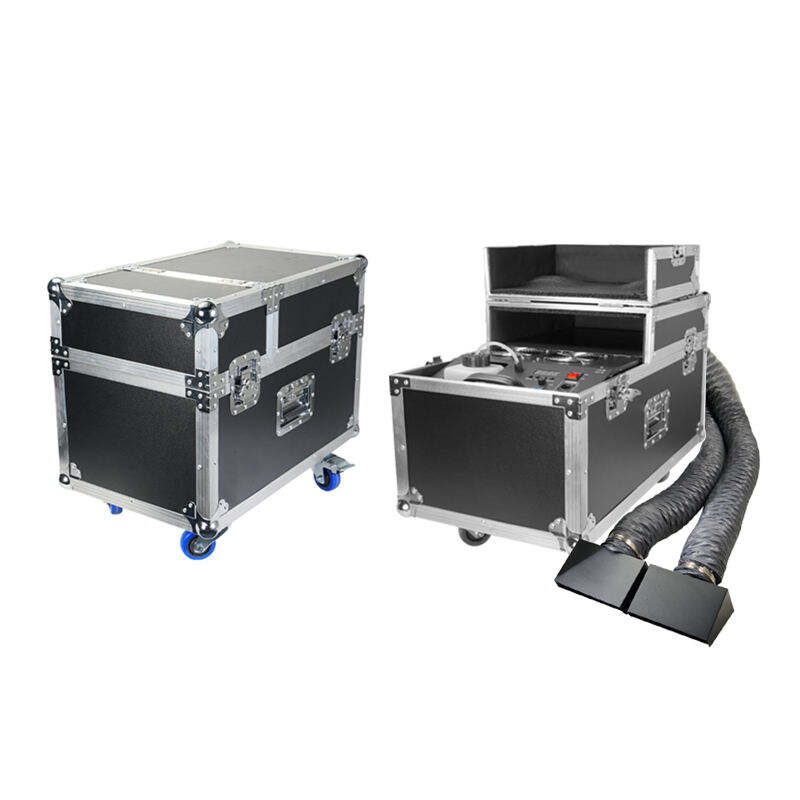
In contemporary performing arts, a successful show transcends mere auditory delight—it's a meticulously crafted fusion of visuals and atmosphere. Professional smoke machines serve as the core tools for achieving this multidimensional experience. By generating controllable smoke and haze effects, they fundamentally transform the spatial texture of the stage and the expressive power of lighting. Whether it's a breathtaking concert, an immersive electronic music festival, or a dramatic theatrical production, smoke machines imbue the stage with dynamic layering and emotional tension.
The core value of smoke machines lies in making “light visible.” Without smoke, even the most advanced lighting equipment projects only isolated beams. Yet when uniform haze fills the space, light becomes a tangible entity—laser beams reveal distinct paths, colored lights weave three-dimensional scenes, and the entire stage instantly gains immersive depth and scale. Moreover, fog serves as a tool for narrative and rhythm: dense fog intensifies dramatic climaxes, while delicate haze maintains atmospheric continuity during lyrical segments, visually mirroring the emotional fluctuations of music.
More importantly, fog machines represent a production's professional standards and aesthetic aspirations. Widely used in large-scale concerts, theaters, DJ performances, film shoots, and commercial events, they create both mystical, awe-inspiring entrance moments and delicate background textures. They transcend mere equipment to become a key medium of artistic expression—bridging performers and audiences, technology and artistry, transforming live events into unforgettable sensory experiences.

 EN
EN