Stage Fog Machines: The Invisible Artists Shaping Performing Arts
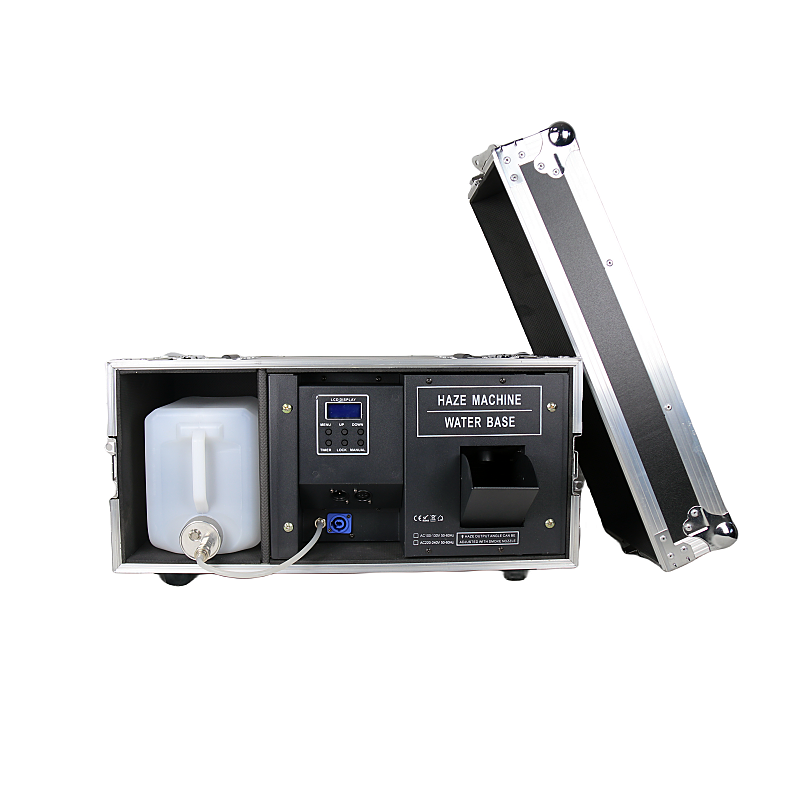
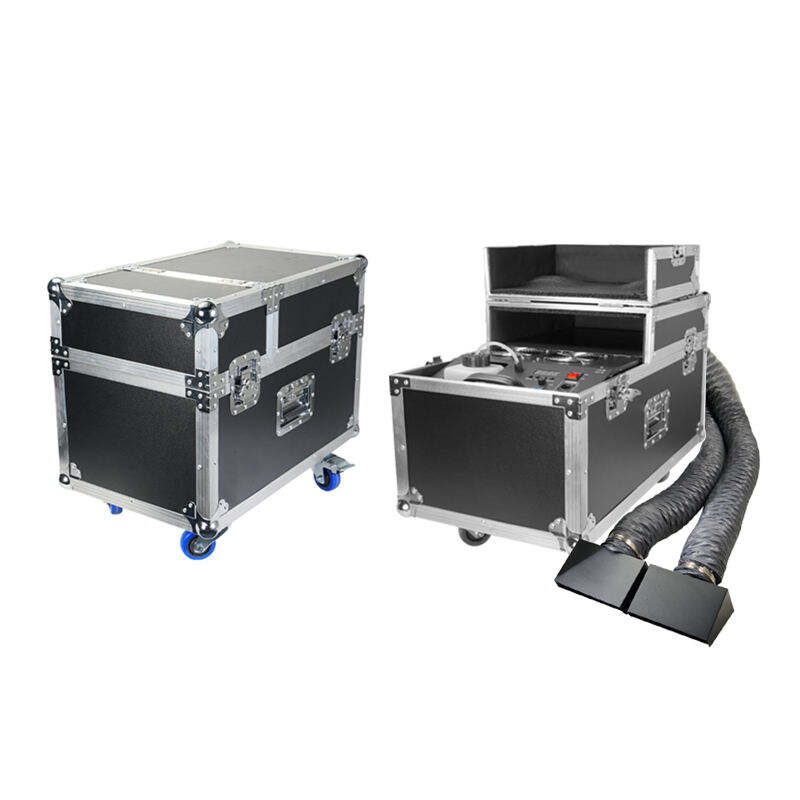
In modern stage performances, fog machines have long transcended their role as mere effect devices, evolving into essential tools for setting moods, conveying emotions, and enhancing visual impact. By precisely controlling fog density, flow direction, and dispersion patterns, they transform light into tangible substance, infusing performances with soul and depth.
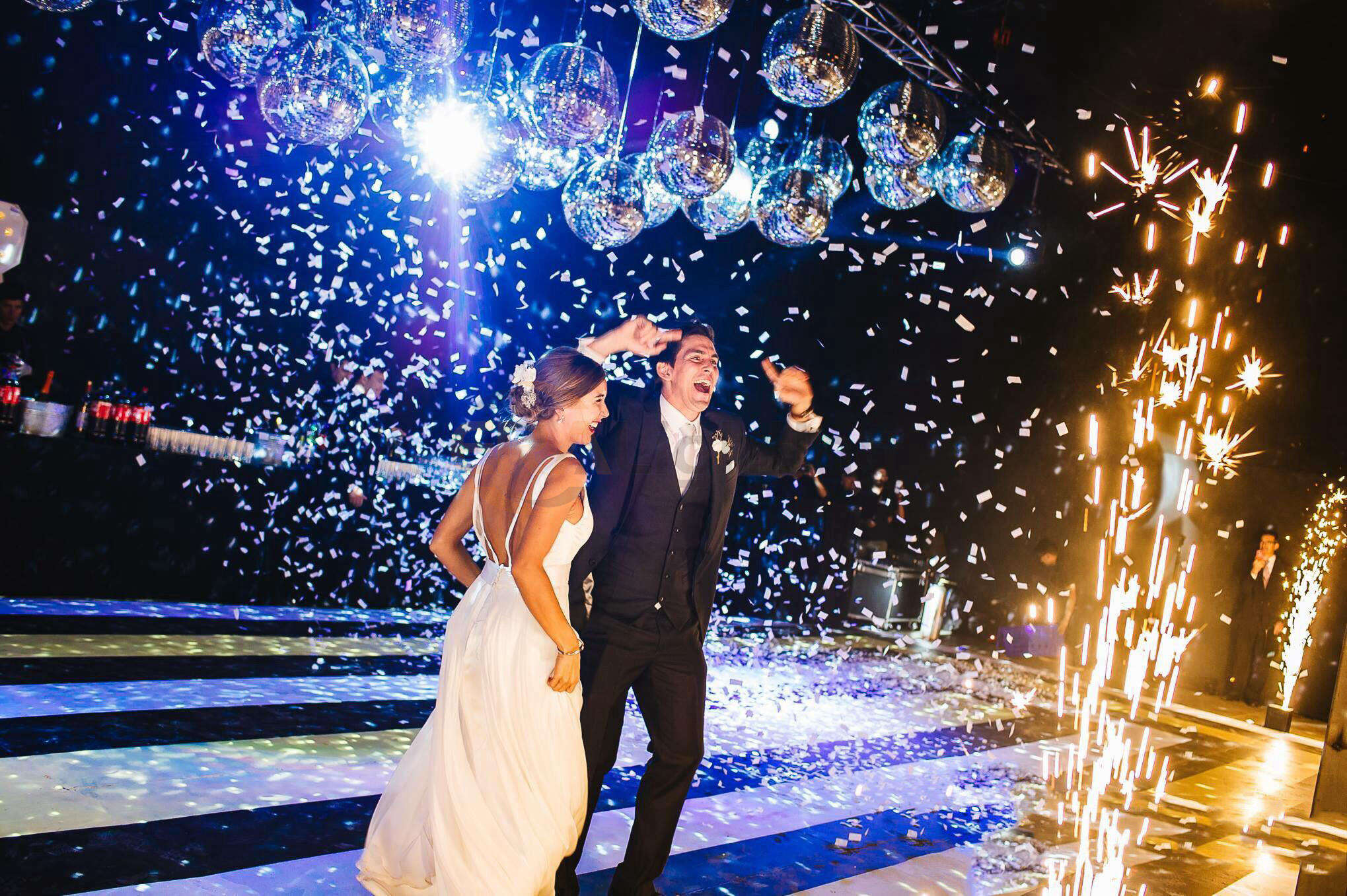
The core value of stage fog machines lies in their ability to reshape space. Light mist imparts texture to beams, allowing lasers and spotlights to transcend invisible boundaries and form visually compelling pathways with dramatic tension. Thick fog creates mystique, obscuring portions of the stage to guide audience focus toward pivotal plot points. Whether amplifying concert climaxes, heightening suspense in plays, or elevating emotional intensity in dance performances, fog machines use subtle mist variations to strengthen narrative impact—transforming spectators from passive observers into fully immersed participants.
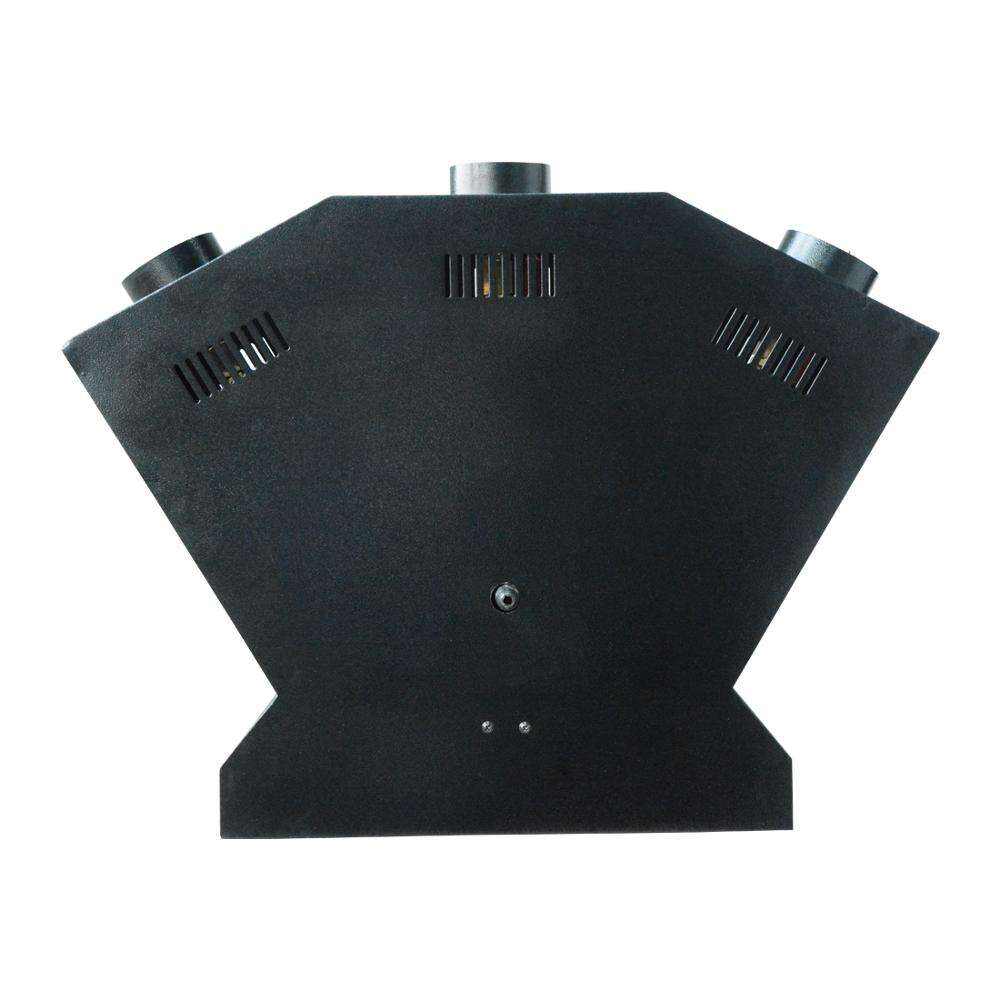
Moreover, professional fog machines' high-precision control capabilities significantly elevate production professionalism. Features like wireless remote control, rapid heating, and low residue ensure flawless synchronization between effect triggers and performance rhythms, while diverse modes—including low-level fog and haze effects—accommodate varied artistic styles. From theaters and concerts to grand celebrations, fog machines have become a key benchmark for production quality—serving not only as catalysts for visual expression but also as bridges connecting creativity to reality.
Ultimately, the significance of stage fog machines transcends technology itself: they make intangible light tangible, transform finite spaces into infinite realms, and truly ground an artist's imagination into breathtaking experiences.

 EN
EN