
 EN
EN
Understanding 1.3g vs 1.4g Fireworks: Classification, Regulation, and Hazard Levels
What Do 1.3g and 1.4g Mean in Professional Fireworks Classification?
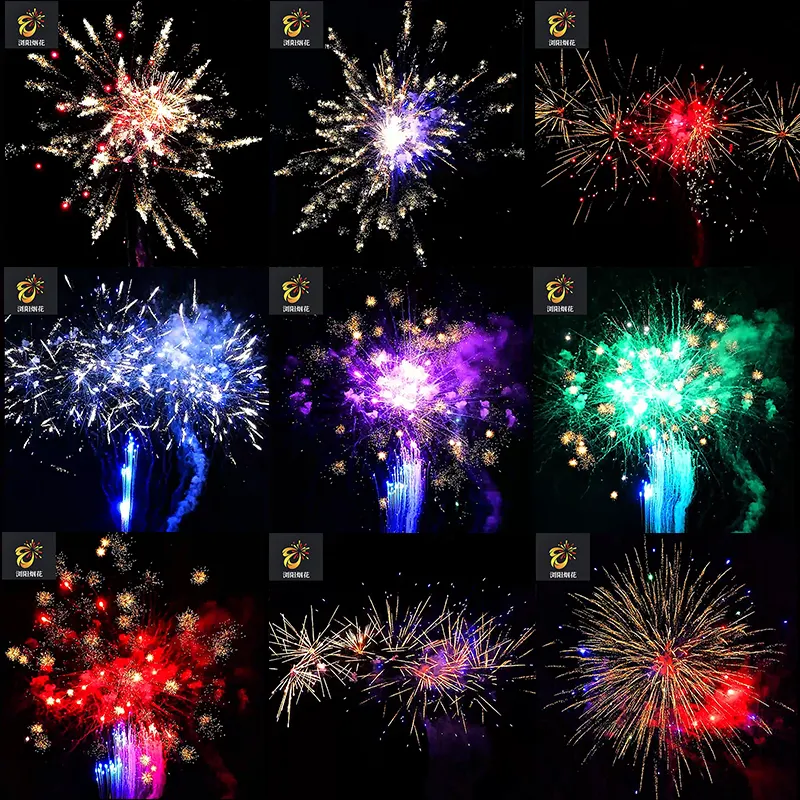
When we talk about fireworks safety, the numbers 1.3g and 1.4g actually come from UN standards that categorize how dangerous these explosives can be. What these ratings really tell us is about the amount and kind of flash powder inside each device. Flash powder is basically what makes fireworks go boom. For the bigger shows, 1.3g fireworks have over 40 milligrams of this stuff in each shell, which means they're built for those massive outdoor displays everyone loves at festivals. On the flip side, 1.4g items only pack 30 mg or less, so they're much smaller scale. And here's where things get serious legally speaking. The ATF has strict rules about who can handle 1.3g fireworks because of all that extra power. Only licensed professionals are allowed to work with them since one mistake could lead to major problems.
ATF and UN Hazard Divisions: Regulatory Standards for Professional Fireworks
Fireworks professionals need to follow specific storage rules set by the ATF along with international standards from the UN Hazard Divisions 1.3G and 1.4G. For those working with 1.3G explosives, getting special permission from authorities becomes necessary because these materials pose greater explosion risks during transportation, something outlined in federal code 49 CFR section 172.101. On the other hand, the United Nations classifies 1.4G fireworks as relatively safe items according to their Model Regulation 10 guidelines. This classification means businesses can sell and handle them more freely compared to higher risk categories, which makes sense when looking at how commonly we see these types of displays at public events across the country.
Flash Powder Content and Explosive Power: Why 1.3g Is Higher Hazard
The 1.3g category fireworks pack roughly five times the amount of flash powder compared to their 1.4g counterparts, which means they can reach explosive speeds over 1,500 meters per second. What makes these fireworks so powerful is the aluminum content in the mix. When lit, this stuff goes off like crazy, making those brilliant flashes we see at big shows and the loud bangs that shake the ground. According to recent research from safety experts in 2024, people need to stay at least 300 meters away from 1.3g fireworks during events. That's actually four times farther back than what's required for watching 1.4g fireworks safely because these bigger explosions spread out much wider when they go off.
Firework Hazard Types (HT1–HT4) and Safety Implications for Outdoor Displays
| Hazard Type | Maximum Flash Powder | Common Use Case | Minimum Safe Distance |
|---|---|---|---|
| HT1 | ≤10mg | Indoor venues | 8m |
| HT2 | ≤30mg | Small gatherings | 15m |
| HT3 | ≤100mg | Municipal events | 75m |
| HT4 | >100mg | Stadium shows | 300m |
HT3 and HT4 fireworks—almost exclusively 1.3g devices—require blast-resistant storage containers and pre-event risk assessments under NFPA 1123 guidelines. Cities using HT4 devices for public displays report 42% higher incident response costs compared to HT2/HT3 hybrid shows, emphasizing the importance of matching hazard tiers to venue size.
Safety Requirements and Regulatory Compliance for Professional Fireworks Operations
Minimum Safety Distances for 1.3g and 1.4g Outdoor Fireworks
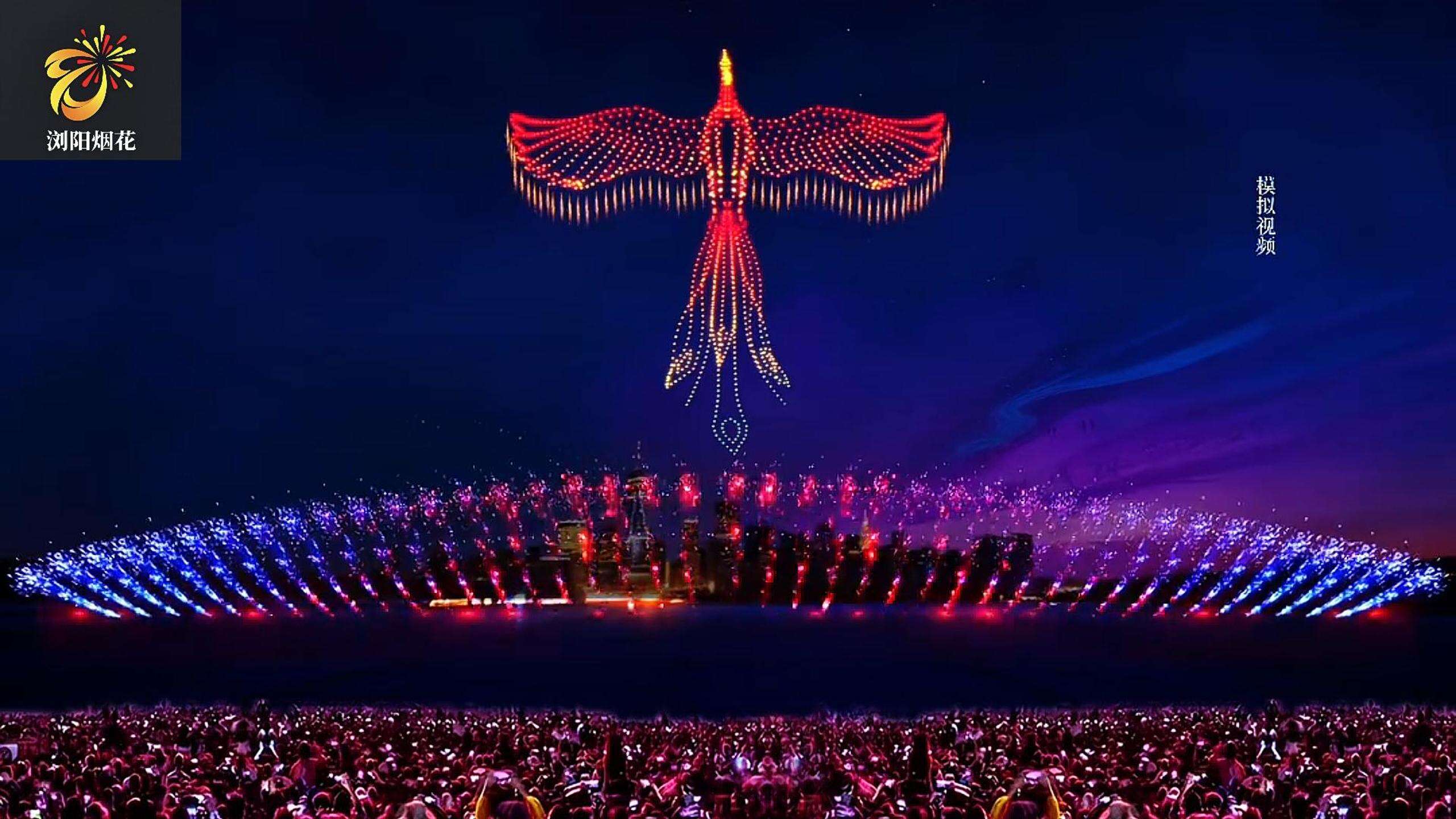
The NFPA 1123-2014 standard sets clear guidelines on how far away people need to be from professional fireworks shows. For outdoor events, 1.3g fireworks require at least 200 meters clearance while 1.4g fireworks need around 75 meters space. These safety margins exist because fireworks don't always go exactly where they're supposed to. The bigger buffer for 1.3g fireworks makes sense when we think about their higher flash powder content and the risk of projectiles flying off course. Firework operators shouldn't forget about environmental factors either. Wind direction matters a lot, and certain landscapes can change things too. When it's really dry out there, secondary fires from burning debris might actually make the danger zone grow by nearly a third compared to what's listed in the standards.
Public vs Private Events: Licensing and Compliance for Professional Fireworks
Anyone putting on a public fireworks show needs an ATF license if they're working with 1.3g explosives according to federal law. Private backyard displays using the safer 1.4g consumer stuff usually just need permits from the state government. Looking at safety standards, the NFPA 1124-2013 code has pretty strict rules about where these materials get stored. Basically, the stronger 1.3g products have to be kept in separate containment areas, and there needs to be working fire suppression equipment right on site. When planning bigger shows that will draw over 500 people though, organizers face extra hurdles. They actually have to send detailed pyrotechnic diagrams to local fire officials three months ahead of time. These plans need to show not just where each explosive goes but also how many people might pack into different areas and exactly where everyone can escape if something goes wrong.
Training and Certification for Handling 1.3g Explosives in Commercial Displays
Anyone working with 1.3g professional fireworks needs to go through the ATF's FEL training first. This involves around 80 hours studying explosive chemistry plus hands-on practice with actual deployments. The Pyrotechnic Guild International offers their own certification too, covering stuff like figuring out if electrical systems will work properly, predicting where debris might land after a show, and making sure multiple explosions don't accidentally trigger each other. OSHA wants everyone to take refresher classes every year about how to store explosives safely according to NFPA 700 guidelines. They check records when inspecting venues anyway. Things changed quite a bit since 2021 actually - now 38 states require new pyrotechnicians to apprentice under experienced professionals for at least 500 supervised launches before they can handle 1.3g fireworks on their own. Makes sense really, considering what happens when things go wrong.
Performance and Visual Impact: Comparing 1.3g and 1.4g Professional Fireworks
Aerial Coverage, Brightness, and Sound Output in Large-Scale Outdoor Shows
Professional grade 3g fireworks pack quite a punch compared to their 1.4g counterparts. The difference comes down to flash powder concentration which gives these bigger shells about five times more explosive power. When they go off, they create massive aerial bursts reaching up around 300 meters high and can be seen from as far as 2 kilometers away. The sound is pretty intense too, hitting around 120 decibels at peak volume something similar to standing near a jet engine during takeoff. These displays also feature complex color effects that play out over 8 to 12 seconds per shell, creating stunning visual sequences in the sky. On the other hand, 1.4g fireworks are much more modest. They only reach about 75 meters in height and produce sounds around 95 dB, so they work best for smaller events held on properties less than 15 acres in size where safety regulations aren't as strict.
Case Study: Citywide Celebration Using 1.3g Fireworks for Maximum Spectacle
New York’s 2023 New Year’s Eve showcase utilized 4,800 1.3g shells to create synchronized effects across 1.6 km of skyline. The display achieved:
| Metric | 1.3g Performance | Typical 1.4g Equivalent |
|---|---|---|
| Burst Diameter | 320 m | 80 m |
| Peak Brightness | 1.2M candela | 400k candela |
| Multi-Effect Chains | 9-layer effects | 3-layer maximum |
According to fireworks safety analysts, the event required 42% wider safety perimeters than 1.4g displays while delivering 68% greater spectator satisfaction in post-event surveys.
When to Choose 1.4g Over 1.3g: Balancing Impact and Safety in Professional Displays
Opt for 1.4g professional fireworks when:
- Venues are within 200m of protected wildlife areas
- Local ordinances cap sound at 100 dB(A)
- Budgets require 40–60% cost savings on explosive storage fees
A 2023 industry study found 1.4g fireworks reduced setup complexity by 33% in school campus events while maintaining 85% of visual intensity through optimized firing patterns. Use 1.3g exclusively when targeting audiences beyond 500m or requiring HD-video-grade luminance for broadcast productions.
The Role of F4 Category Fireworks in Modern Commercial Fireworks Technology
Defining F4 Category Fireworks and Their Use in Professional Outdoor Environments
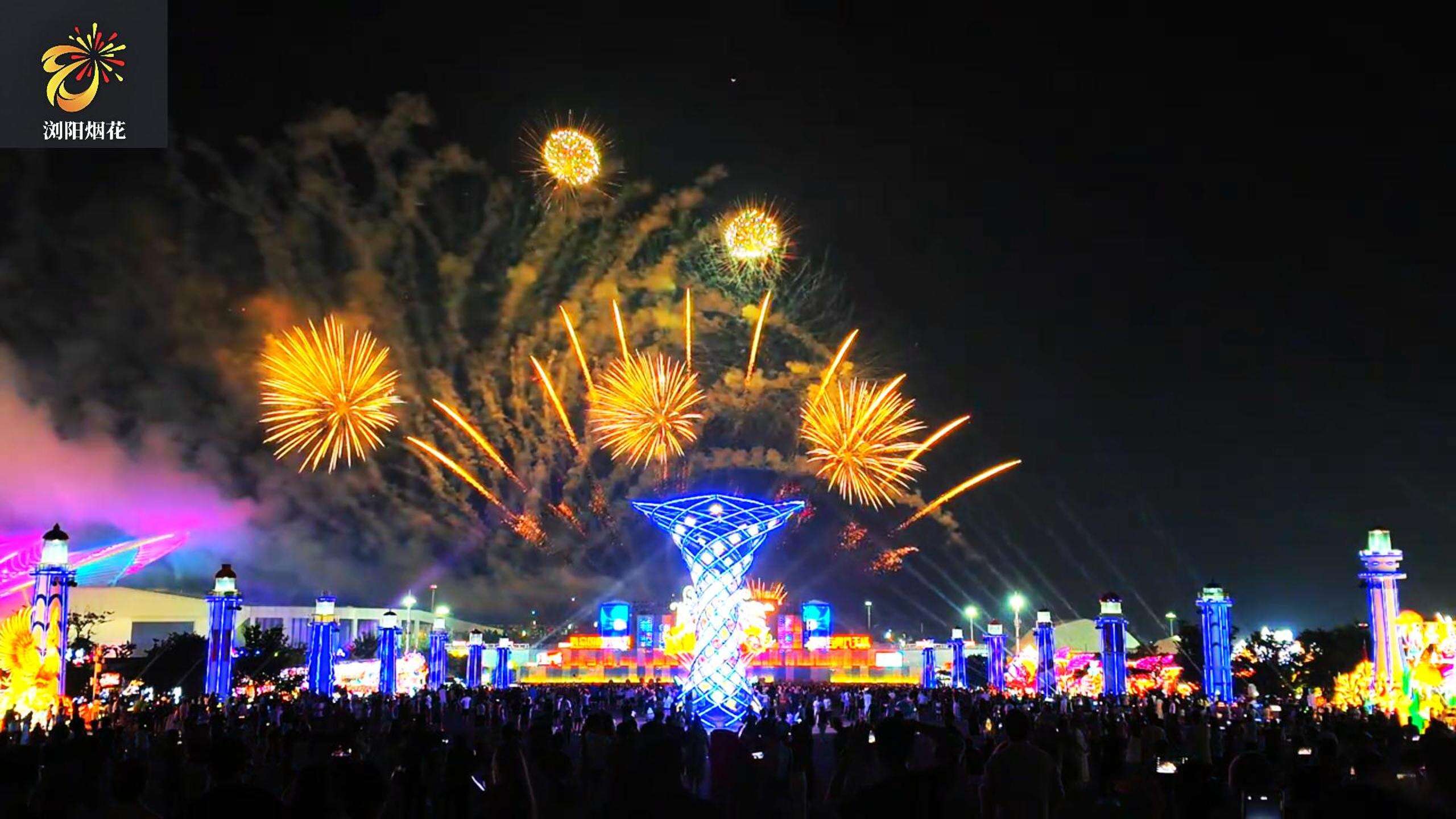
F4 fireworks sit at the top of the danger scale when it comes to consumer pyrotechnics, which means only licensed pros can handle them for big outdoor events such as stadium displays or during major holidays. Regular folks stick to F2 and F3 types, but F4 requires special paperwork for handling, proper storage conditions for explosives, and keeping people way back from the action zone usually over 100 meters away per the latest 2024 standards report. What makes these different? They have complicated ignition systems that go through multiple stages before going off, explode at altitudes above 300 meters in the sky, and carry around more than 2 kilograms worth of explosive materials inside each shell. Pretty serious stuff compared to what most backyard enthusiasts play with.
Controversy Surrounding Public Access to High-Hazard F4-Classified Fireworks
There's been quite a stir lately about online marketplaces apparently sidestepping both EU and ATF rules when they sell F4 parts to folks who don't have proper licenses. Industry associations point to the fact that these F4 items have shown a 17 percent jump in accidents last year as reason enough for tighter restrictions. But then again, many people are saying that sweeping prohibitions make life really tough for smaller fireworks companies trying to get their foot in the door of legitimate business operations. Now things have gotten even stricter with biometric checks becoming mandatory across thirty four states in America before anyone can buy F4 materials. Some see this as necessary security while others worry it might push independent operators out of the market altogether.
Integration with Advanced Ignition Systems and Display Automation
F4 shows today rely on connected firing systems such as the X9 from PyroControl. These systems can time over 1000 ignition points with just a 0.01 second difference between them. What this means is that pyrotechnicians can create really intricate light shows while still keeping people safe by meeting the 125 meter fall out zone requirements set by OSHA. The latest wireless tech including PyroNet gives control room staff the ability to tweak where shells go even after they leave the ground. This becomes especially important during shows when sudden gusts push winds past 15 miles per hour, something we've all seen happen at outdoor events.
Frequently Asked Questions
What are the key differences between 1.3g and 1.4g fireworks?
1.3g fireworks contain more than 40 milligrams of flash powder, leading to larger displays and requiring professional handling, whereas 1.4g fireworks contain 30 mg or less, making them smaller and more suited for casual or smaller events.
Why do 1.3g fireworks require special licensing and storage?
1.3g fireworks require special licensing due to their higher explosive power, posing greater risks during handling and transportation. The ATF mandates strict storage conditions to prevent accidents and ensure safety.
Can anyone purchase F4 category fireworks?
No, F4 category fireworks are only available to licensed professionals due to their high hazard potential. They require special handling and safety considerations that go beyond regular consumer fireworks.
What factors affect the choice between using 1.3g and 1.4g fireworks?
Decisions between 1.3g and 1.4g fireworks depend on event scale, safety regulations, budget constraints, and environmental considerations like proximity to wildlife areas and local sound ordinances.
Table of Contents
- Understanding 1.3g vs 1.4g Fireworks: Classification, Regulation, and Hazard Levels
- Safety Requirements and Regulatory Compliance for Professional Fireworks Operations
- Performance and Visual Impact: Comparing 1.3g and 1.4g Professional Fireworks
- The Role of F4 Category Fireworks in Modern Commercial Fireworks Technology
- Frequently Asked Questions