
 EN
EN
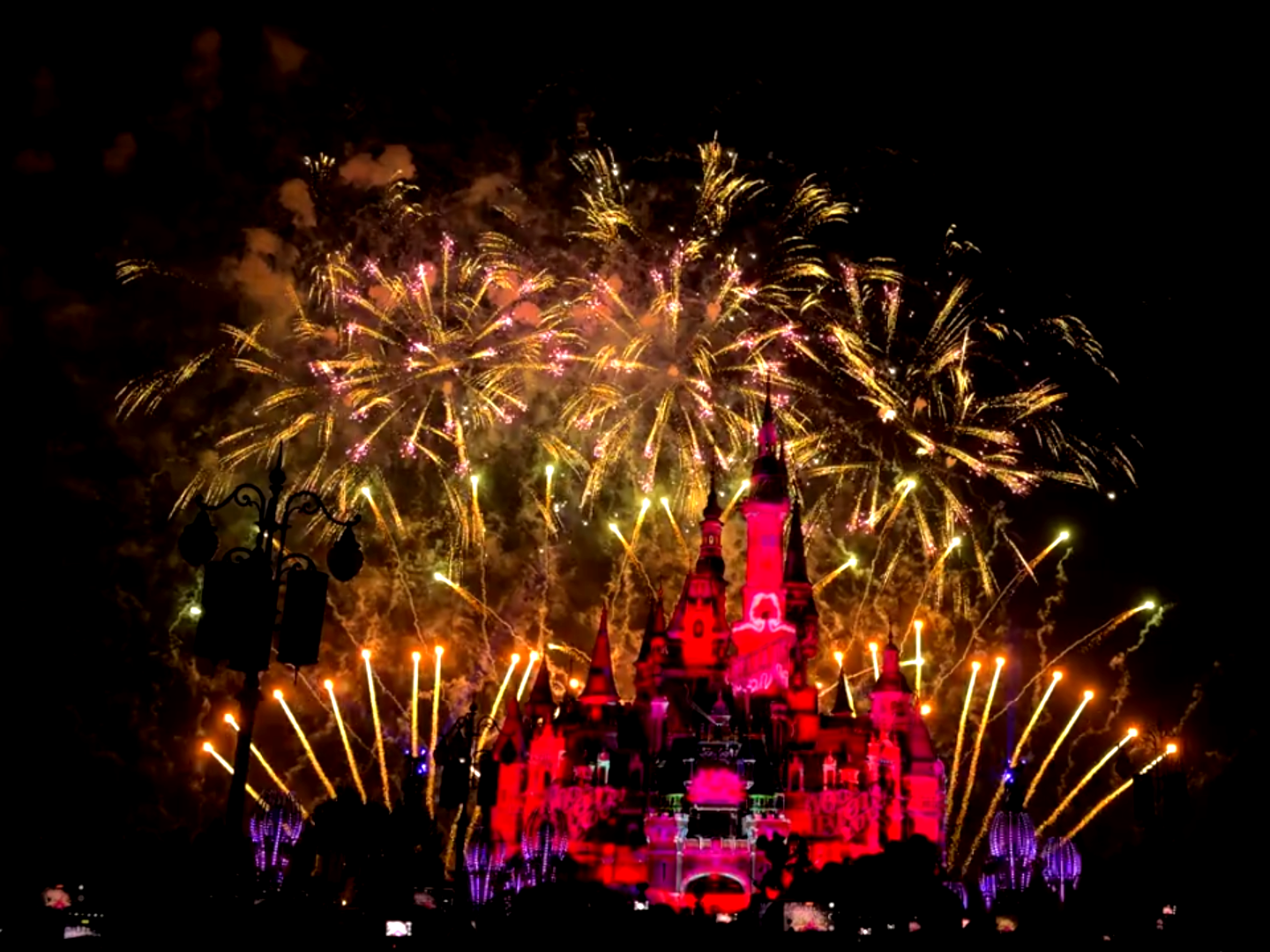
The Science Behind Professional Fireworks and Their Visual Impact
How chemical compositions create vibrant colors in professional fireworks
Professional fireworks get their brilliant colors from specific metal salts mixed just right. Strontium gives those deep reds we see at night shows, while barium creates nice green tones, and copper makes those beautiful blue effects. A recent report from the American Pyrotechnics Association found that about three quarters of how bright the colors appear actually comes down to having particles of consistent size in these mixtures. Fireworks makers usually throw in some magnesium or aluminum powder to crank up the heat during combustion, sometimes reaching around 2500 degrees Fahrenheit. This extra heat helps everything burn completely and makes the colors pop more vividly. The folks at Science Notes explain that getting this temperature right matters a lot for producing those rich, true colors without any dull spots.
The role of shell design in shaping the chrysanthemum fireworks effect
The chrysanthemum effect in fireworks comes from special spherical shells filled with what firework makers call "stars" - basically tiny pyrotechnic pellets. When these shells explode high up in the air, specially placed charges inside push all those stars outwards at around 300 miles per hour (that's about 483 kilometers). This creates that beautiful symmetrical burst we see. According to experts working at the Engineering Institute of Technology, most good results come from shells with between 12 to 16 separate sections inside. These divisions help create that flower pattern when they go off. And if they want extra sparkles? Fireworks makers often mix in some titanium flakes which leave behind those pretty silver trails. The bigger the shell itself is, the larger the explosion will be. A standard 10 inch shell (about 25 centimeters) usually gives us a display that stretches across roughly 300 feet (around 91 meters) of sky.
Timing and altitude: Key factors in achieving breathtaking fireworks examples
The pros rely on computer models for shell trajectories and air density readings when timing launches and setting explosion heights just right. Most fireworks reach their best display at around 800 to 1,200 feet high (that's roughly 244 to 366 meters), where they can spread out nicely in the sky. The ascent usually takes about 3.5 seconds, which gives enough time for one effect to fade before another starts showing off. According to recent research published last year in the Journal of Pyrotechnics, fireworks going off above 250 meters (about 820 feet) actually look bigger by about 40 percent because of how our eyes perceive things in the atmosphere. Getting those delay fuses spot on matters a lot too. They need to be accurate within just 0.01 seconds so complicated shows like the famous "crackling peony into golden willow" sequence work perfectly across dozens of shells lighting up together.
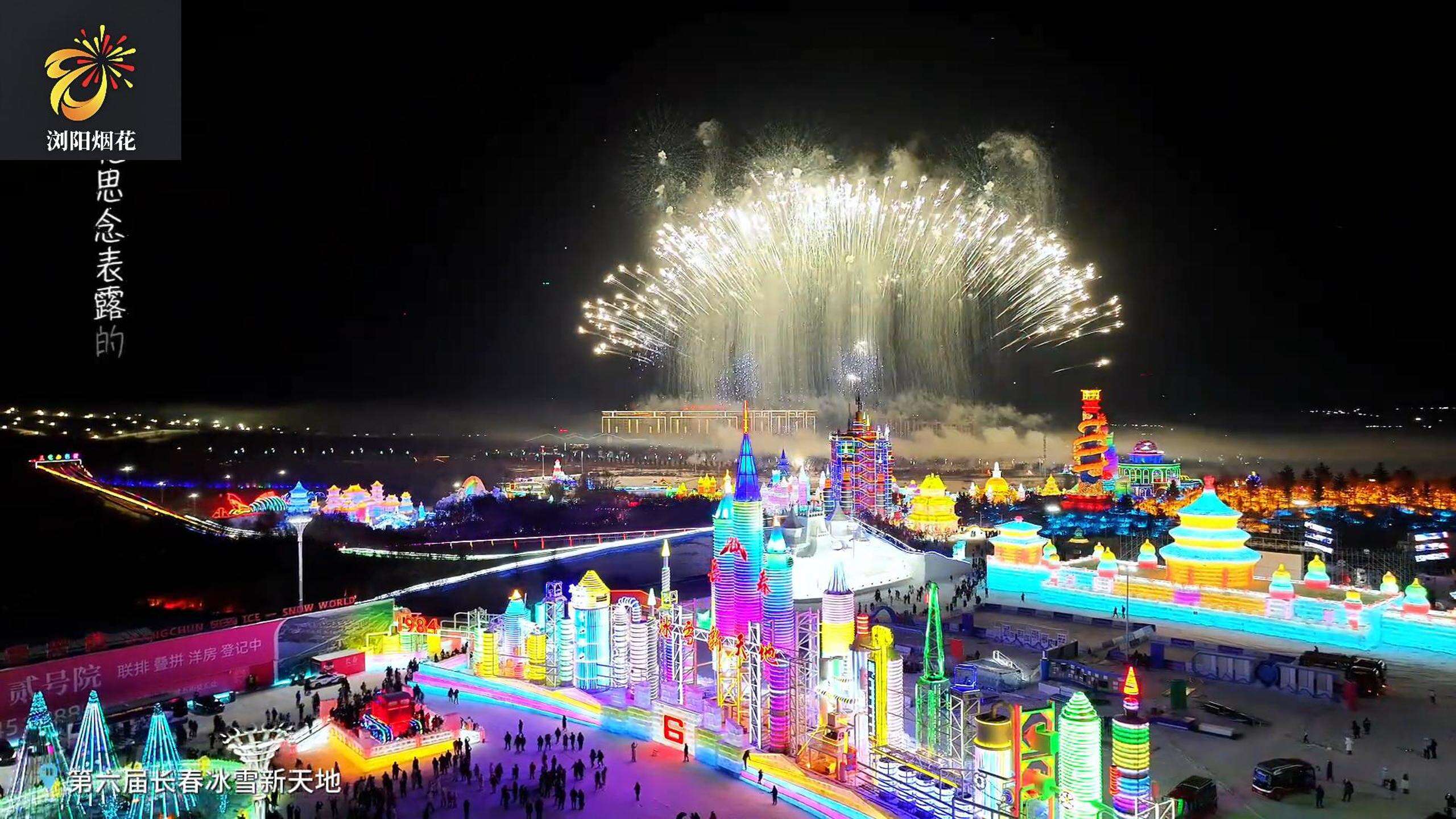
Classic Visual Effects That Define Professional Fireworks Displays
Professional fireworks displays rely on timeless visual patterns perfected through centuries of pyrotechnic innovation. These foundational effects combine precise engineering with artistic vision to create unforgettable skyward spectacles.
Understanding the chrysanthemum fireworks effect and its symmetrical bloom
Chrysanthemum fireworks get their flower-like appearance from those little colorful bursts we call stars packed inside spherical shells. When they go off around 600 to maybe even 1,000 feet up in the air, all those tiny glowing bits spread out in really neat, almost mathematical patterns that look amazing against the night sky. The mixtures used matter too - aluminum and magnesium create those brilliant white trails that stand out so well, whereas strontium gives us those rich red colors which make the whole display pop with contrast and give it that three dimensional feel when viewed from below.
The dahlia fireworks effect: Larger petals with fewer break charges
Dahlias use fewer explosive break charges than chrysanthemums, resulting in broader, more distinct petal formations. By spacing combustible pellets farther apart within the shell matrix, pyrotechnicians create bold, sweeping arcs visible from up to 40% greater distances compared to denser burst patterns.
Dandelion and comet fireworks effect: Trails that captivate night skies
Dandelion effects feature long-burning magnesium trails surrounding a central burst, mimicking a floating seed head. When paired with comet fireworks—projectiles emitting 8—12 second golden streaks—they introduce dynamic motion and contrast. These elongated effects remain visible longer in windy conditions, making them ideal for challenging weather environments.
Pearl fireworks effect: Uniform spheres creating mesmerizing patterns
Pearl effects utilize perfectly spherical shells filled with identically sized pyrotechnic pellets. When ignited simultaneously, the pellets form glowing orbs that resemble celestial bodies. Manufacturers achieve 95% shape consistency using computerized molding techniques, allowing for hypnotic grid-like or ripple formations in the night sky.
Falling leaves fireworks effect: Glowing embers mimicking autumn drift
This atmospheric effect employs slow-burning charcoal pellets treated with iron oxide. Descending at 3—5 feet per second, they tumble erratically while glowing orange-red. To enhance the drifting illusion, shells are launched at a 15° downwind angle, extending visibility across zones exceeding 200 yards.
Rare and Unique Fireworks Effects in Professional Shows
Dragon Egg Fireworks Effect: Bursts Within Bursts for Dramatic Layers
Dragon Egg effects use multi-phase ignition systems to create concentric explosions, with secondary bursts occurring 50—100 feet below the primary detonation. Delayed chemical reactions stagger combustion by 0.3—0.8 seconds, producing layered visuals reminiscent of celestial nesting dolls. Color transitions often shift from gold cores to silver outer rings, adding dramatic depth.
Jellyfish Firework Effect: Tentacle-Like Trails With Glowing Heads
Specialized compositions burn at 2,200°C to produce phosphorescent "tentacles" stretching 200—300 feet. Copper-based compounds glow 47% brighter than standard blue formulations—measuring 1.2 million lumens versus 820,000 in consumer-grade alternatives—creating vivid, bioluminescent-like displays that dominate the skyline.
Giant Moth Firework Effect: Soft, Fluttering Illumination Across the Sky
Using slow-burning magnesium-aluminum alloys, this ethereal effect sustains illumination for 18—22 seconds—triple the duration of standard bursts. Its expansive 600-foot diameter makes it visible from up to 8 miles away under ideal viewing conditions, offering a dreamlike presence in large-scale shows.
Horsetails Fireworks Effect: Cascading Waterfalls of Molten Light
Horsetails produce dense, vertical trails of molten-looking light descending at 15—20 mph. High-density barium nitrate compositions combined with oxygen-enriched blends maintain consistent brightness throughout their 12—18 second fall, distinguishing them from shorter-lived effects like falling leaves.
FAQ Section
What makes professional fireworks display vibrant colors?
The vibrant colors in professional fireworks are achieved through the use of specific metal salts like strontium for reds, barium for greens, and copper for blues. Consistent particle size and the addition of magnesium or aluminum powder to increase combustion temperature are key in enhancing color brightness.
How do chrysanthemum fireworks create symmetrical burst patterns?
Chrysanthemum fireworks utilize specially designed spherical shells filled with pyrotechnic "stars." When these shells explode, the stars are expelled outwards at high speeds due to strategically placed charges inside, creating symmetrical and patterned bursts in the sky.
Why is timing important in fireworks displays?
Timing is crucial in fireworks displays to ensure that each effect is visible at its optimal altitude and duration. Accurate timing and synchronization are achieved using computer models to account for shell trajectories and air density, allowing for seamless transitions between effects.
Table of Contents
- The Science Behind Professional Fireworks and Their Visual Impact
-
Classic Visual Effects That Define Professional Fireworks Displays
- Understanding the chrysanthemum fireworks effect and its symmetrical bloom
- The dahlia fireworks effect: Larger petals with fewer break charges
- Dandelion and comet fireworks effect: Trails that captivate night skies
- Pearl fireworks effect: Uniform spheres creating mesmerizing patterns
- Falling leaves fireworks effect: Glowing embers mimicking autumn drift
- Rare and Unique Fireworks Effects in Professional Shows
- FAQ Section