
 EN
EN
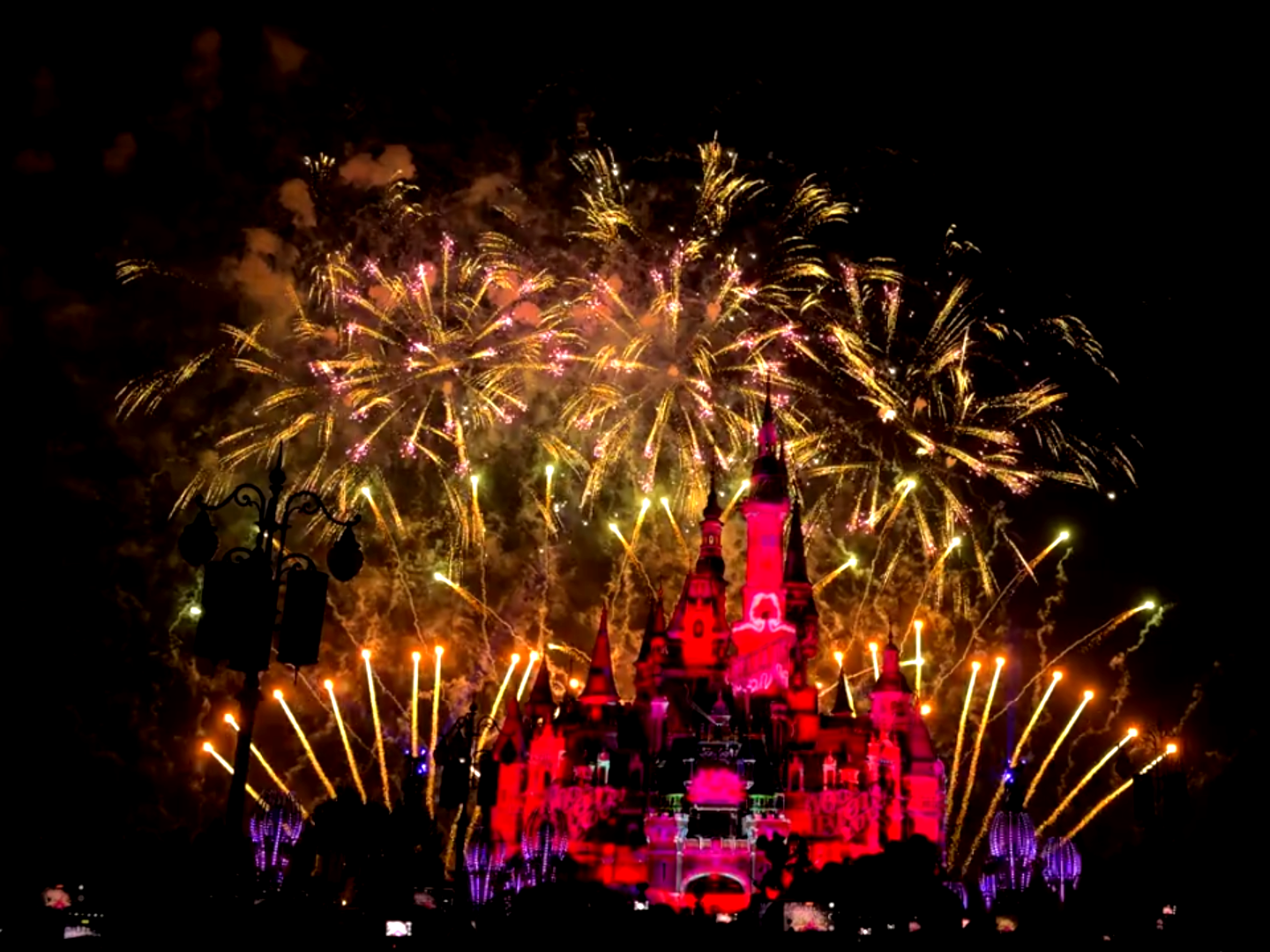
What Are Cake Fireworks and Why They're Ideal for Outdoor Use
Definition and Core Mechanics of Cake Fireworks
What people call cake fireworks, sometimes referred to as barrages or multi-shot varieties, are basically just several tubes all connected together in one sturdy frame. Inside each tube there's a separate lift charge, the actual explosive material that creates the effect, plus a timing mechanism so everything goes off automatically after the first spark is lit. The whole thing lights up in sequence, creating these amazing shows where different effects follow each other without anyone needing to relight anything. Think crackling comets streaking across the sky, colors changing mid-air, or those beautiful layered flower patterns we all love. Because everything comes pre-assembled and already fused at the factory, setting these up isn't nearly as complicated as dealing with individual shells or roman candles. Plus they tend to be much safer for regular folks to handle since there's less chance of something going wrong during setup or operation.
Why Outdoor Environments Maximize Their Visual and Auditory Impact
Getting outdoors is really important when it comes to making the most out of those cake fireworks displays, both from a safety standpoint and for putting on a good show. When there's open space around, people can see everything properly without obstructions blocking their view. Fireworks need room to go up high enough (usually somewhere between 50 and 150 feet) so they burst out completely and everyone watching gets to enjoy them properly. Sounds from explosions carry better outside too since there aren't walls bouncing noise back at us all the time. Plus, wind helps blow away smoke pretty quickly after each shot goes off, keeping things clear to see and breathable for folks nearby. According to some recent safety data we've been looking at, setting these displays outside cuts down on problems with leftover debris by about 70 percent compared to trying them in half-enclosed spots. That's probably why most fire code rules and local laws basically insist that cakes must only be used where there's plenty of flat ground available with good distance buffers all around.

Essential Safety Guidelines for Outdoor Cake Fireworks
NFPA 1123 Compliance and Minimum Launch Zone Requirements
Following NFPA 1123 regulations isn't optional for anyone setting off outdoor cake fireworks. The guidelines set different safety buffers depending on what kind of display we're talking about. For regular consumer grade stuff, folks need to stay at least 70 feet back, while professionals have to maintain a much bigger 200 foot radius around their launch area. When picking a spot to light things off, the ground needs to be completely flat without any debris lying around. No dry grass, bushes, tree branches hanging overhead, buildings nearby, or power lines anywhere close counts either. Stabilizing those cakes properly matters a lot too. Most experts suggest using sandbags or driving stakes into the ground to keep them upright once they start going off. And if there's wind blowing consistently above 10 miles per hour? Better hit pause. That cutoff came from Pike County's Fire Marshal back in 2023 after seeing how unpredictable fireworks can get in breezy conditions, sometimes sending sparks flying over 300 feet away.
Common User Errors: Unstable Setup, Wind Misjudgment, and Ignition Mistakes
Three preventable errors account for the majority of consumer firework incidents:
- Unstable Setup: Placing cakes on uneven or soft ground—or failing to secure them—can cause misalignment, tube collapse, or dangerous lateral discharge. Mortar tubes must remain perfectly vertical and unobstructed.
- Wind Misjudgment: Even light breezes (3–5 mph) can carry sparks toward dry vegetation or structures. Always assess wind direction immediately before ignition, not just at setup time.
-
Ignition Mistakes: Leaning over the cake or using short-handled lighters drastically cuts reaction time. A safety lighter with ¥18-inch reach is non-negotiable.
After firing, fully submerge spent units in water for at least 24 hours before disposal—residual embers can reignite hours later if improperly handled.
How Cake Fireworks Achieve Long-Lasting Outdoor Effects
Multi-Tube Sequential Ignition and Precision Timing
The reason why cake fireworks last so long has nothing to do with how much powder they contain but rather comes down to clever engineering of multiple tubes working together. These tubes get connected using special timing devices that set off each lift at specific moments usually spaced between half a second and three seconds apart. This careful timing lets different effects happen one after another without getting mixed up visually. Every single tube actually works on its own inside the shell, with custom amounts of lift charge and specially formulated effects designed specifically for how high they need to go, how big their bursts should be, and what kind of colors will stand out best against night skies. According to tests done by manufacturers, good quality consumer grade 100 shot cakes can keep putting on shows for anywhere from 30 to 60 straight seconds. They achieve this through smart spacing between explosions and varying how fast different parts burn. What makes all this possible is automated control systems that create elaborate sequences which would simply not work if someone had to light everything manually.
Frequently Asked Questions
What are cake fireworks?
Cake fireworks are multi-tube displays that generate visual and auditory effects through a series of timed explosions.
Why are cake fireworks more suited for outdoor use?
Cake fireworks benefit from outdoor settings due to their need for ample space for proper launch and viewing, and for safety reasons.
What common mistakes should be avoided while setting up cake fireworks?
Avoid unstable setup, misjudged wind conditions, and unsafe ignition practices.