
 EN
EN
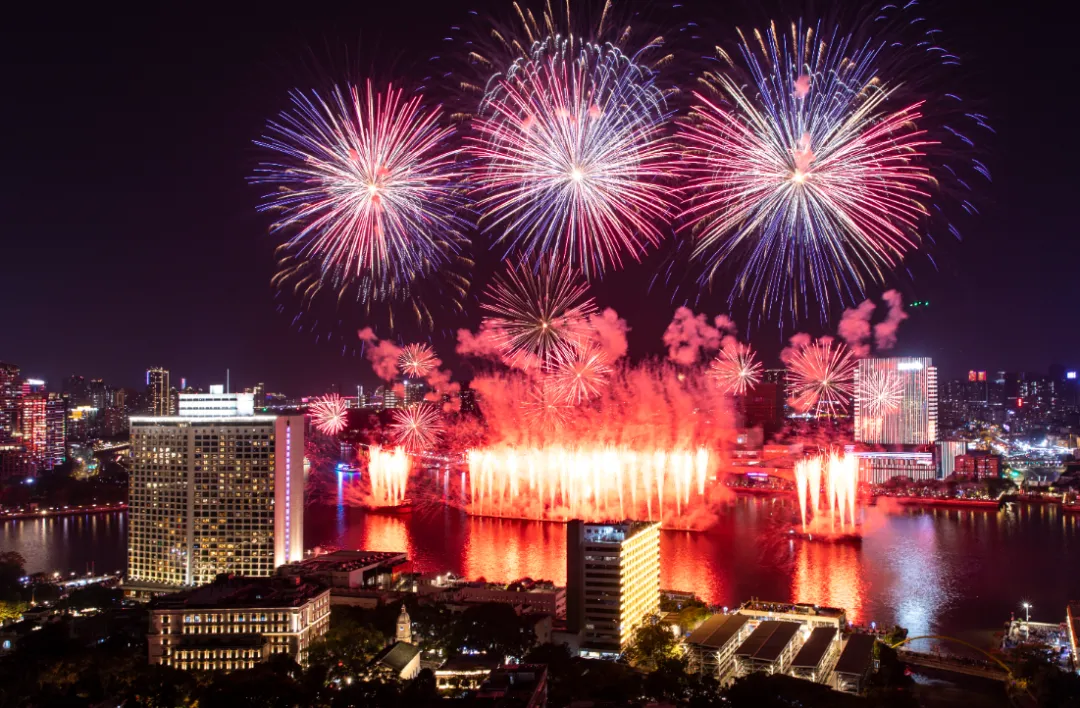
Why Global Buyers Need a Verified China Fireworks Wholesale Catalog
Global buyers depend on China as the primary source of fireworks—but sourcing without a verified catalog poses significant risks. A genuine China fireworks wholesale catalog includes detailed product specifications, FOB pricing, and compliance markers such as UN classification codes and EN15947 or DOT 1.4G certifications. This transparency helps importers avoid goods that fail customs inspections or cause safety incidents. Verified catalogs also confirm production capacity and lead times, enabling buyers to plan inventory without last-minute surprises. Without such verification, buyers may encounter counterfeit items, incomplete documentation, or hidden costs—jeopardizing their entire order. Given that major markets like the US and Europe enforce strict safety standards, a verified catalog is not a luxury but a necessity. It builds trust and streamlines the entire procurement lifecycle.
How to Request a Legitimate China Fireworks Wholesale Catalog
Step 1: Pre-qualify manufacturers using licenses, certifications (EN15947, DOT 1.4G), and factory audits
Navigating China's fireworks supply chain demands rigorous manufacturer verification. Always start with valid explosive licenses issued by provincial authorities—these confirm operational legitimacy. Insist on EN15947 certification for consumer fireworks safety and DOT 1.4G classification for transport compliance before requesting a catalog. Third-party facility audits are non-negotiable: they must verify safe storage distances (≥100 meters from residences per ISO 8517) and documented staff training protocols. Unaccredited suppliers account for 73% of defective fireworks incidents, according to global import safety studies.
Step 2: Submit a precise request with MOQ, product categories, port of loading, and compliance documentation needs
Formulate your catalog inquiry with concrete requirements to filter responsive suppliers. Specify exact minimum order quantities (MOQ)—avoid vendors demanding arbitrary container-load commitments beyond practical needs. Outline required product categories (e.g., cakes, fountains, aerial shells) alongside essential documentation: UN transportation certifications, hazardous material labels, and test reports from accredited labs. Clearly state port of loading preferences. Transparent manufacturers typically provide compliant catalogs within 72 hours; vague requests yield generic, non-compliant materials—79% of multinational buyers report this as a recurring issue.
What a Trusted China Fireworks Wholesale Catalog Actually Includes
Product specs, FOB pricing, lead times, and production capacity — not just glossy images
A genuine fireworks wholesale catalog goes far beyond polished photos. It lists detailed product specifications—including dimensions, net explosive content (NEC), and chemical composition—and provides FOB pricing per item or container, realistic lead times tied to actual production schedules, and confirmed seasonal output capacity. Without these specifics, buyers cannot benchmark offers or align logistics. A catalog that relies solely on attractive imagery without granular data is a red flag—serious importers demand verifiable numbers.
Compliance markers: UN classification codes, hazard labels, and certified test reports
Every credible fireworks wholesale catalog clearly displays compliance credentials. Look for UN classification codes (e.g., UN0336 for 1.4G consumer items), standardized hazard labels, and references to certified test reports from laboratories accredited under ISO/IEC 17025. These markers verify adherence to international transport, storage, and safety standards. A catalog lacking them often signals non-compliant goods—risking shipping delays, port rejections, fines, or confiscation. Smart buyers verify these markers before placing any order.
Avoiding Pitfalls: Red Flags in Unverified Fireworks Wholesale Catalogs
Missing or inconsistent license numbers—such as ATF-formatted IDs or DOT 1.4G classifications—signal immediate risk. Non-compliant suppliers jeopardize shipments, triggering customs seizures or fines exceeding $20,000 per incident, per the U.S. Regulatory Compliance Incidents report (2024). Over-reliance on exaggerated product images—lacking fuse burn times, debris fallout radii, or UN test reports—often masks performance deficiencies or safety violations. Never accept catalogs omitting proof of manufacturer liability insurance ($1 million minimum active coverage) or detailed storage protocols; under NFPA 1124, this omission transfers explosion-related liabilities to your facility. Ultimately, unverified catalogs expose buyers to CPSC recalls, freight rejections at ports like LA/Long Beach, and irrecoverable inventory losses.