
 EN
EN
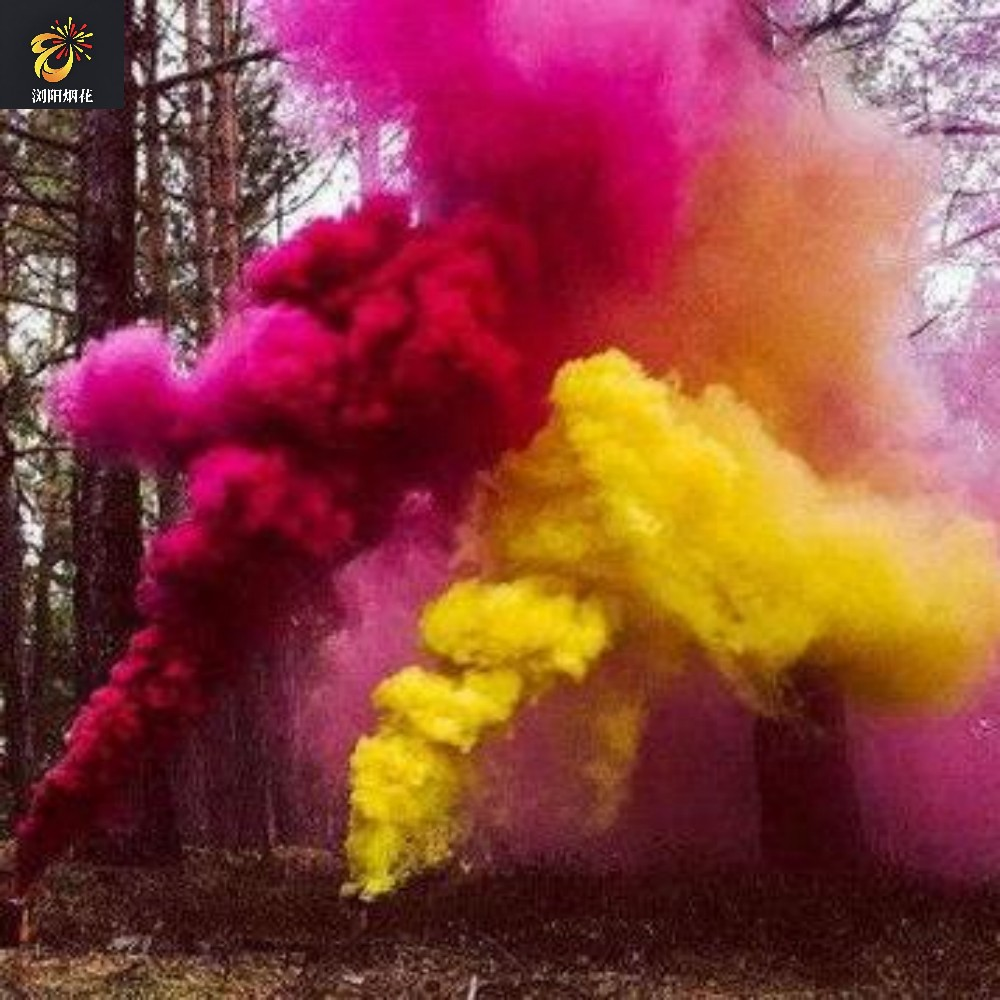
How Colorful Smokes Deliver Stadium-Scale Visual Impact
Pigment concentration and particle dispersion: Keys to vibrant, non-washed-out color
Getting those rich, lasting colors right in big spaces takes some serious work behind the scenes with pigments. Most professionals rely on concentrated organic dyes ranging from around 15% to 22% volume because they stand up better against thinning when exposed to air. At the same time, making sure nanoparticles stay evenly spread throughout the mixture below 5 microns helps maintain that deep, consistent color throughout. When these elements aren't balanced properly, smoke effects just look dull and lifeless under stadium lighting or outside where sunlight washes everything away. The best products on the market today actually enclose their pigments in protective layers that only release heat when needed. This clever design stops colors from fading too quickly, especially important during outdoor events in damp weather conditions. And let's face it, nobody wants to see boring gray instead of those eye-popping reds, blues, and greens that really grab attention at concerts and sporting events.
Optimal smoke duration (15–45 sec) and density for visibility across field, stands, and broadcast
Good colored smoke effects need just the right mix of how long they last and how thick they get so people can actually see them properly. Most events aim for around 15 to 45 seconds of smoke display time because anything longer starts to interfere with what's happening on the field itself. The smoke needs to be pretty dense too, at least 2.5 kilograms per cubic meter, which means fans sitting all the way back in the upper deck still catch those vibrant colors. Interestingly enough, TV cameras actually need smoke that's about 30 percent denser than what works well for folks watching live in person. That extra thickness helps maintain color quality when broadcasted. Modern systems now come equipped with real-time weather monitoring tech that automatically adjusts where and when the smoke gets released based on wind direction. This ensures everyone gets an awesome view regardless of whether they're standing front row or watching from home on their couch.
Strategic Use of Colorful Smokes to Elevate Energy and Reinforce Team Identity
Choreographed Bursts Synced with Peak Athletic Moments (e.g., kickoff, finish line, dunk)
The right timing turns smoke displays from mere visuals into powerful emotional triggers. Think about those moments when vibrant colored smoke explodes just as a player slams dunk or crosses the finish line first. According to research published in Event Psychology Quarterly last year, this kind of timing boosts viewer excitement levels by around 62%. The science behind it involves something called mirror neurons, which basically means people watching start feeling what they see happening on court or track without even realizing it. Smoke effects crews have gotten pretty clever about all this too. They attach special tags to athletes' equipment so when someone makes a big play, the smoke goes off almost instantly, usually within half a second. TV producers love including these moments because studies show posts featuring synchronized smoke get shared online about 40% more during playoff games. Makes sense really, who doesn’t want to capture that perfect mix of action and atmosphere?
Custom Hue Matching to Team Colors, Logos, and Mascots for Cohesive Branded Excitement
Getting the colors just right means smoke shows off team identities accurately, matching those exact Pantone shades they want. Take navy blue for instance it needs special cobalt compounds, whereas teams going for crimson typically stick with red dyes that don't contain cadmium. When everything looks consistent, people remember brands better. Studies suggest fans recall sponsor logos about three times more often if they're seen against the team's signature colored smoke. Special pigments made with zinc oxide stand up to humidity problems at outdoor games, so colors stay bright even on TV broadcasts. What we end up with is a complete branded experience where the colored smoke feels like part of how the team presents itself visually, bringing everyone watching together under one colorful umbrella.
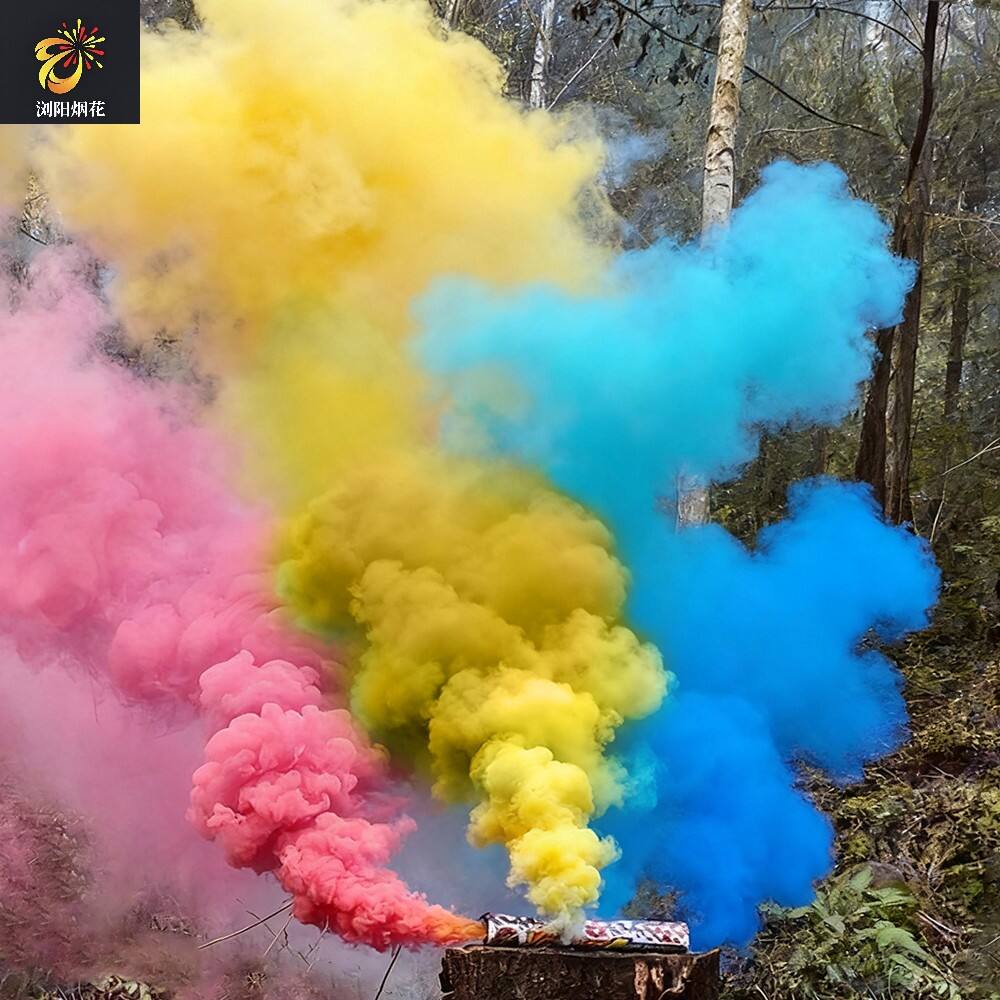
Safety, Compliance, and Practicality of Colorful Smokes in Live Sports Environments
NFPA 160 adherence, real-time air quality monitoring, and ventilation best practices
Most sports venues follow NFPA 160 standards when deploying those colorful smoke effects during events. The rules require proper pyrotechnics licenses, set safe distances between fireworks launches and audience areas, plus specific fire safety measures. Indoor facilities install real-time air quality monitoring equipment that keeps tabs on PM2.5 particles. When readings go above 35 micrograms per cubic meter, the ventilation system kicks in automatically. This matters a lot inside arenas where smoke tends to hang around longer. Many stadiums have started using advanced HVAC overpressure technology lately. These systems generate upward air movement patterns that clear the smoke from view within about 90 seconds after release. At the same time, they stop the formation of those annoying hazy layers that can block sightlines for spectators.
Staining control: Organic dyes vs. zinc oxide trade-offs in humid or indoor venues
Staining fields can be a real headache, particularly when dealing with those sticky situations in humid areas or inside those stadium domes where everything just seems to hold onto dirt forever. The organic vegetable dyes might sound great for the environment, but they tend to soak right into grass and running tracks, leaving facility managers scrambling for those special enzyme cleaners. Zinc oxide particles are better at standing their ground against moisture spread and generally come off easier too. Still worth mentioning is that recent research from last year raised some concerns about possible breathing issues when these particles get airborne in tight spaces. Most places facing constant humidity problems have found success with mixed formulas that combine modified starches along with just a touch of zinc (usually below 12%). These blends manage to keep colors bright while still being manageable to clean up after events, all without compromising safety standards or damaging the actual playing surfaces over time.