
 EN
EN
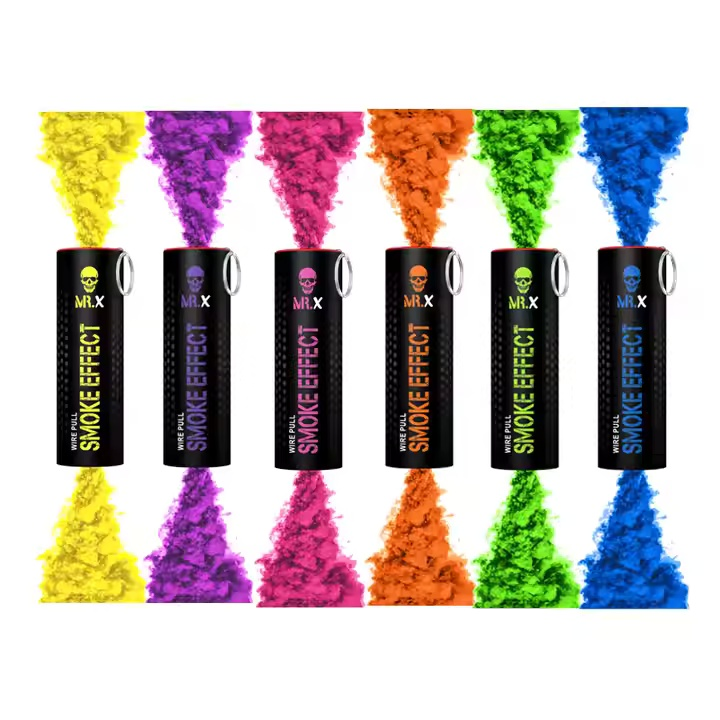
Engineering Dual Color Smoke in a Compact Form Factor
Dual-Chamber Pyrotechnic Design Enables Simultaneous Two-Tone Emission
What makes dual color smoke tech work so well is actually pretty clever engineering inside those smoke canisters. Inside each device there are two separate compartments filled with different chemical mixtures. When the system gets triggered, these compartments light off at exactly the same time thanks to some pretty advanced timing controls. The result? Two completely separate clouds of smoke that maintain their original colors without mixing together. This kind of visual signal is super important on battlefields where soldiers need to communicate quickly through colored smoke signals. The manufacturers have also put special fire resistant materials between these compartments. These materials have been tested according to industry standards (ASTM E662) to make sure they stop accidental fires from spreading between compartments while still letting the smoke burn hot enough (around 450 to 600 degrees Celsius). Real world tests show these colored signals stay visible for about 90 seconds even when winds reach speeds of 15 knots. That kind of performance meets all the requirements for joint terminal attack controllers who rely on fast and clear visual identification during operations.
Material and Size Optimization for Tactical Portability Without Performance Trade-offs
The new generation of smoke markers features advanced nanocomposite casings reinforced with aerogel infused polymers. These materials allow manufacturers to shrink the overall size dramatically without sacrificing performance. Volume reductions hit around 40% compared to older models, and the surface can withstand temperatures up to 800 degrees Celsius. Plus, each unit weighs about 300 grams less than before. Inside the casing, engineers have packed in 30% more active pyrotechnic material per cubic centimeter through high density pelletization techniques. This means the smoke lasts longer now, staying visible for 120 seconds straight which makes all the difference when marking landing zones during operations. Even though they're smaller, these devices still pass NATO visibility tests at distances of one kilometer in daylight conditions. Manufacturers put them through rigorous stress tests too, cycling between minus 40 degrees and plus 70 degrees Celsius for three full days straight. No drop in performance was recorded, so they work reliably even in places where traditional units would simply give up and stop functioning altogether.
Why Colorful Smokes Are Critical for Modern Signaling and Marking
Chromatic Precision Meets JTAC and UAV Coordination Requirements
The colorful smoke signals provide clear visual cues that JTACs and UAV operators can easily spot on the battlefield. Research shows our brains pick up colors much quicker than reading text or symbols something that makes sense when we think about how fast decisions need to be made under pressure. When it comes to close air support missions, these dual tone emissions really cut down confusion. Orange means trouble ahead right now while green indicates areas where troops are safe. Military field reports have actually shown around a third fewer friendly fire accidents since implementing this color coded system across different units working together.
Performance Benchmarks: UV Stability, Low-Visibility Penetration, and Fade Resistance
Modern signaling demands consistent performance across environmental variables. Key benchmarks include:
- UV Stability: Hue integrity maintained for 120+ seconds under direct sunlight
- Low-Vis Penetration: Visible at 1.2 km through dust or fog (vs. 400 m for monochrome alternatives)
-
Fade Resistance: Less than 5% color deviation over full burn duration
Military testing confirms superior performance in desert and maritime environments—where visual clarity directly determines mission success.
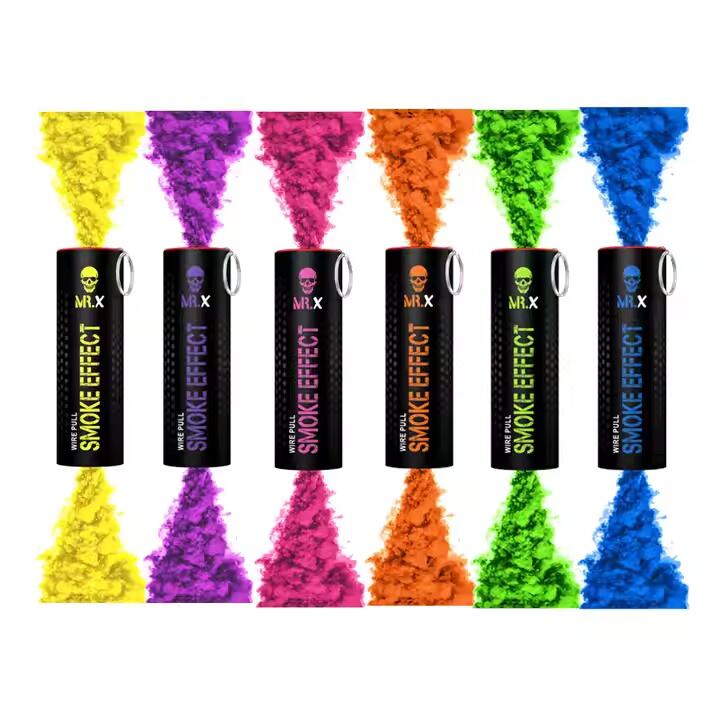
Wire-Pull Ignition: Reliable, Instant Activation for High-Stakes Environments
The wire pull ignition system works great when things get tough. It has a strong lanyard attached to something called a friction sensitive pyrotechnic compound. When someone pulls it, boom, it activates right away. No complicated steps needed here, just one simple motion that anyone can learn quickly. During those stressful moments where visibility is poor, like during combat evacs or search missions, pulling that cord reliably produces bright smoke signals in about three quarters of a second flat. Mechanical versions don't have all the problems that electronic igniters do. Those fancy electronics can fail because of water damage, dead batteries, or even getting messed up by radio waves. Not so with these mechanical systems though. They keep working fine whether it's pouring rain, blowing sand, or freezing cold outside. The waterproof seal stops accidental fires while moving around or taking hits. Plus there's this torsion spring inside that makes sure every unit requires basically the same amount of force to extract the pin. Tests done according to MIL-STD-810H standards show these systems work successfully over 99 times out of 100. That kind of reliability turns what looks like a simple device into something absolutely critical for real world operations.
Market Convergence: How Commercial Demand Is Accelerating Tactical Colorful Smokes Innovation
Drone Light Shows Driving R&D in Safe, Pelletized, Multi-Color Smoke Delivery
The drone entertainment business is pushing forward with new smoke tech because people want safer, colorful effects without all the mess. Light shows need colors that work reliably and won't harm anyone, so makers are switching to pellet form instead of powders which can be dangerous if they get loose. These small devices create bright colors using chemistry tricks, cutting down toxicity by about 70% compared to old methods while still holding their color even after long exposure. Companies developing this stuff have focused on making pellets that stand up to wind and igniting them super fast, something that actually works really well for marking positions on battlefields where accurate coloring matters for survival. Since 2022, bigger production runs from the entertainment side have cut manufacturing expenses around 40%. Plus, better stabilized pellets mean these systems work reliably in extreme temperatures ranging from minus 40 degrees Celsius right up to 65 degrees. Now major defense firms are adopting what civilians figured out first, creating signal devices that last longer in harsh environments and stay safe too, all while keeping their tactical punch intact.