
 EN
EN
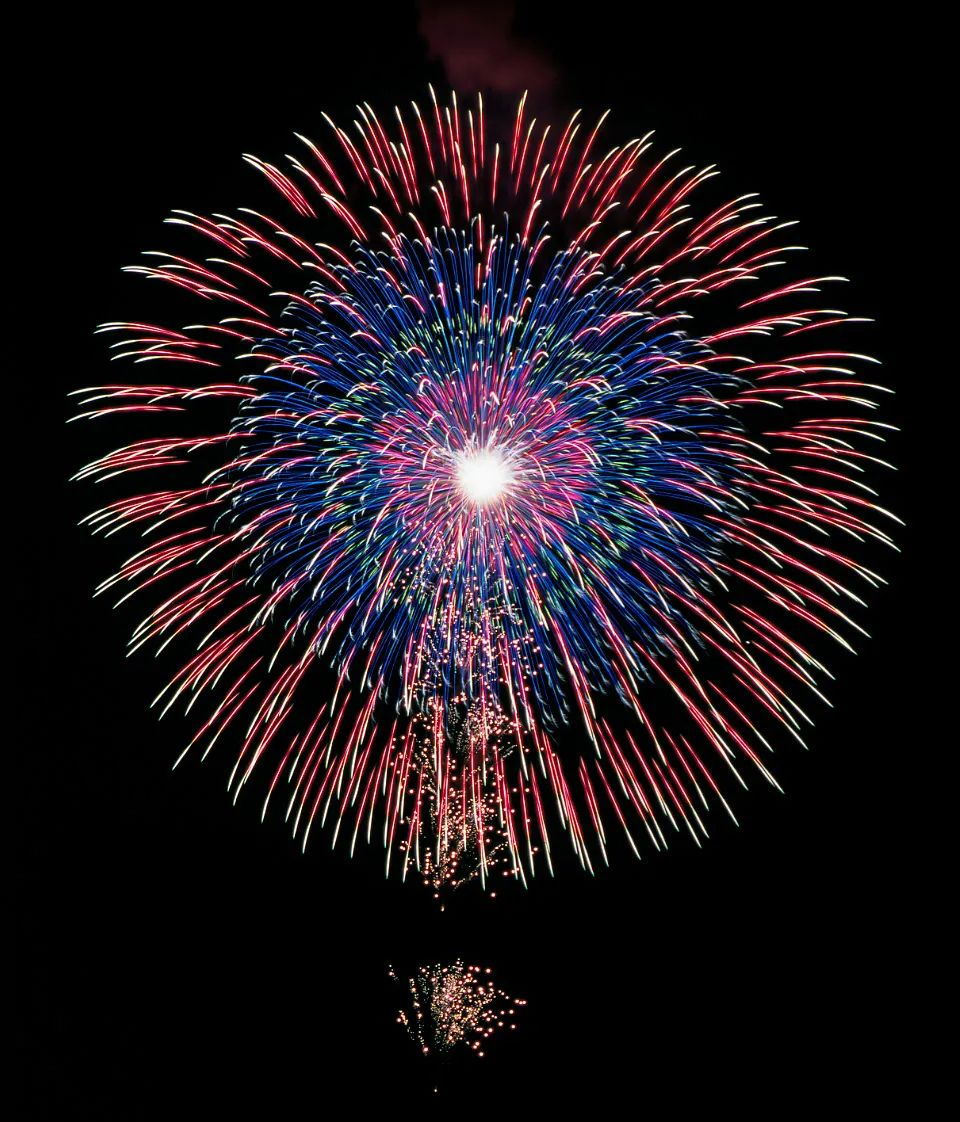
From Factory to Festival: The Journey of Fireworks from China to Global Markets
Every firework that lights up the sky at New Year celebrations in London, Fourth of July displays in New York, or Diwali festivals in Mumbai begins its journey in a factory in China. But the path from a production line in Hunan to a festival ground on the other side of the world is far more complex than most people realise.
Over five years of working in the fireworks export industry, I've traced this journey hundreds of times. Here's the complete story—from raw material to aerial spectacle.
Part 1: The Factory – Where It All Begins
The journey starts in China's "Fireworks Capital"—Liuyang, Hunan Province, which produces approximately **70% of the world's fireworks**. This region has a 1,400-year history of pyrotechnics, now combined with modern manufacturing technology.
The production process involves six key stages:
- **Chemical preparation** – Oxidizers (potassium nitrate, barium nitrate), fuels (aluminium, magnesium), binders, and colour-producing agents are precisely measured and mixed according to proprietary formulas.
- **Tube forming** – Paper tubes are rolled to specification, dried, and coated for strength.
- **Powder filling and compaction** – The chemical mixture is loaded into tubes under controlled conditions. Pressure and density are critical—too loose, and the effect is weak; too tight, and the tube may burst prematurely.
- **Fusing** – Quick-match, visco, and delay fuses are installed. Burn rates must be calibrated to within milliseconds for multi-effect cakes.
- **Assembly and finishing** – Components are assembled into final product configurations. Labels, barcodes, and safety markings are applied.
- **Quality inspection** – Samples from each batch are test-fired. UN classification tests verify transport safety classification.
Hunan Liuyang Fireworks, with 25 years in the industry, operates intelligent production lines and digital management systems that cover the entire process. Their 30+ R&D team continuously develops new effects and improves safety profiles.
Part 2: Quality Control and Compliance Documentation
Before any firework leaves the factory, it must pass rigorous quality checks and compliance documentation:
- **ISO 9001 quality audit** – Verifies process consistency
- **Third-party lab testing** – Confirms EN 15947 (EU), ASTM F2299 (US), or equivalent standards
- **UN classification certification** – Determines 1.4G or 1.3G classification
- **Packaging certification** – UN 4G box performance test
A critical milestone: The factory issues a Certificate of Conformity and compiles the Technical File that importers must retain for regulatory compliance (10 years for UK PASR requirements).
Part 3: Packaging for Global Transit
Fireworks are packaged using the three-layer system described in our earlier article—inner packaging, UN-certified intermediate cartons, and container loading with bracing and moisture protection.
Each carton is labelled with:
- UN number and proper shipping name
- Hazard class label (Class 1, Division 1.4G or 1.3G)
- Gross weight and dimensions
- Handling instructions ("This Side Up", "Keep Dry")
- Manufacturer details and batch number
Part 4: Domestic Transport to Chinese Port
From the factory, goods are transported to major Chinese ports—typically **Shanghai, Ningbo, or Shenzhen**. This domestic leg requires:
- **Hazardous goods transport vehicles** – Specially licensed trucks with fire suppression equipment
- **Designated routes** – Avoiding tunnels, residential areas, and other restricted zones
- **Secure loading** – Additional bracing for road transport vibration
- **Customs declaration** – Electronic submission of export documents
Transit time: 1–3 days depending on factory location and port distance.
Part 5: Customs Clearance and Port Loading
At the port, fireworks containers undergo:
- **Customs inspection** – Chinese customs verifies the declared goods match the actual shipment. Random X-ray scanning and physical inspection occur for a percentage of fireworks shipments.
- **Dangerous goods declaration** – Submitted to port authorities and shipping line
- **Container inspection** – Verifies seal integrity, labelling, and load security
- **Port storage** – Fireworks are stored in designated Class 1 hazardous goods areas, segregated from other cargo
- **Vessel loading** – Loaded according to the IMDG Code stowage plan, typically on deck with appropriate segregation
Key fact: A standard 40-foot container carries approximately 16–20 metric tons of consumer fireworks—enough for a medium-sized community display or hundreds of retail packages.
Part 6: Ocean Transit
Sea freight from China to major global destinations:
|
Destination |
Typical Transit Time |
|
US West Coast (Los Angeles/Long Beach) |
14–18 days |
|
US East Coast (New York/Savannah) |
25–30 days |
|
UK (Felixstowe/Southampton) |
28–35 days |
|
Northern Europe (Hamburg/Rotterdam) |
30–38 days |
|
Middle East (Dubai/Jeddah) |
18–22 days |
|
Southeast Asia (Singapore/Bangkok) |
7–12 days |
|
Australia (Sydney/Melbourne) |
18–25 days |
During transit, containers are monitored for temperature and, on some vessels, equipped with remote monitoring devices for hazardous cargo.
Part 7: Destination Port Clearance
Arrival at the destination port triggers the import process:
- **Customs clearance** – Submission of Bill of Lading, commercial invoice, packing list, certificate of origin, dangerous goods declaration, and UN certification
- **Regulatory inspection** – CPSC (US), OPSS (UK), or equivalent authority checks compliance
- **Duty and tax assessment** – Fireworks import duties vary by country (typically 5–15% of CIF value)
- **Port release** – Goods cleared for onward transport
Warning: As noted earlier, 62% of fireworks seized at UK borders in 2023 failed compliance checks. Proper documentation from the factory is the single most important factor in smooth clearance.
Part 8: Last-Mile Distribution to the Festival
The final leg involves:
- **Warehousing** – Temperature-controlled, Class 1 storage facilities
- **Distributor network** – Products flow to wholesalers, retailers, and event companies
- **Display preparation** – Professional pyrotechnicians design and set up the show
- **The moment of ignition** – Months of effort culminate in seconds of brilliance
The Human Element
Behind every container of fireworks are dozens of skilled workers—chemical formulators, tube rollers, fuse technicians, quality inspectors, logistics coordinators, customs brokers, and pyrotechnicians. It's a global supply chain that connects a 1,400-year-old craft tradition in Liuyang to celebrations around the world.
Hunan Liuyang Fireworks, deeply rooted in this tradition with 25 years of modern export experience, exemplifies the professionalism and reliability that make this journey possible. From their factory in China's fireworks capital to festivals across 30+ countries, they've been lighting up the world—one container at a time.