
 EN
EN
What Is a Cake Firework? Core Design and Single-Ignition Mechanics
Vertical, W/F, Z, X, and Slab Configurations Explained
The way tubes are arranged in cake fireworks really determines how they look when launched into the air. When tubes are set vertically, the fireworks go straight up creating those neat, round explosions at high altitudes. Then there's the Wide Fan design where tubes point outwards making big horizontal spreads across the sky, sometimes covering as much as 120 degrees. That's great for lighting up large areas. Z pattern arrangements fire off in diagonal sequences which creates those cool zigzag movements we see in displays. And don't forget about X formations where the paths cross each other forming interesting star shapes in midair. Slab cakes take things further by cramming lots of tubes together in rectangular frames. Some have over 100 tubes packed tightly! This allows them to shoot off hundreds of shells quickly one after another. The different ways these tubes are positioned affects the whole show dramatically. Angled setups give that sweeping effect across the night sky, vertical ones make tight clusters pop, and slabs just blast everything at once with incredible intensity because so many fireworks are going off simultaneously.
How Single-Ignition Triggers Synchronized Multi-Shot Sequencing
When fireworks start their show, it all begins at one main ignition point which sets off what's called an internal visco fuse system. This main fuse then splits into smaller timing fuses made with special delay mixtures, often based on potassium nitrate, that light up each individual firework tube in exact order. The people who design these displays actually measure and cut those tiny fuses down to the millimeter so they can control when each shot goes off. This lets them create beautiful effects ranging from regular bursts to fast paced sequences or even dramatic builds up across the sky. Think of it as similar to dominos falling over one after another. Once the first firework lifts off, its flame immediately triggers the next part of the fuse line. No need for anyone to manually light anything else during the display, and everything stays timed within half a second to three seconds apart. For really fancy shows, some high end systems now include electronic igniters that get timing down to milliseconds. These advanced setups make possible amazing visual tricks like flowers changing colors mid-air or synchronized crackles followed by big bangs right on cue.
Cake Fireworks Effects: Color, Pattern, Sound, and Sensory Impact
Vibrant Aerial Effects: Gold Peonies, Blue Crackling Rings, and Beyond
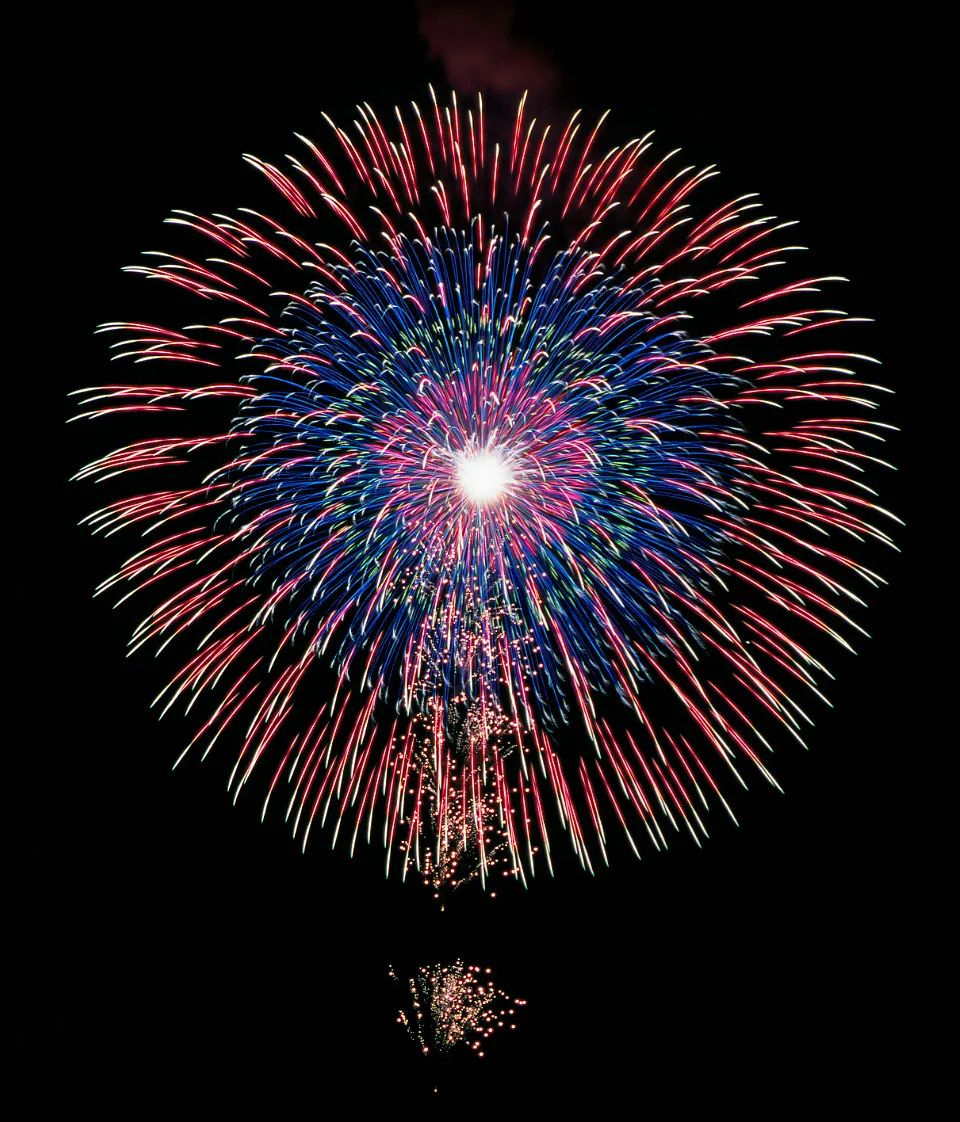
Today's cake fireworks really push the boundaries of what pyrotechnics can do, combining bold colors and unique shapes in ways that leave audiences speechless. When gold peonies explode they create these amazing concentric spheres that sometimes reach over 100 meters high in the sky. The blue crackling rings are another favorite, with their bright blue centers surrounded by those sparkling trails that make such an impressive sound and light show together. There's something special about watching crossette stars break apart mid flight into those diamond shaped clusters, giving the whole display extra dimension. All these stunning effects come down to the right mix of chemicals. Strontium carbonate gives that deep red color we all love, while copper makes things turn turquoise. Barium chloride is responsible for those beautiful green hues, and when titanium gets involved, watch out for those brilliant silver sparks that seem to dance across the night.
Rhythm, Timing, and Auditory Design in Multi-Shot Choreography
What makes cake fireworks really stand out is how they're sequenced. When someone lights one end, the whole thing becomes this timed show controlled inside by fuses. Take a typical 9-shot bouquet for example it might switch between those pretty chrysanthemum shells and loud bangs every half second or so, creating these back and forth patterns similar to music. The whistles in them usually go up in pitch then settle down into gentle willow-like falls, which creates some nice contrast. Firework makers design each sequence so everything works together visually and sounds good too not just random explosions. This careful planning helps create something that feels emotionally satisfying rather than just a bunch of flashy moments stuck together.
Cake Fireworks for Events: Elevating Weddings, Birthdays, and Graduations
Cake fireworks really hit the senses during big life events thanks to their colorful displays and musical timing. At wedding receptions especially, those golden willow effects or shimmering silver falls make first dances and exit moments extra special. Industry research shows around 45 percent of couples actually put these atmosphere boosters high on their priority list just so they can get great photos. Birthday parties come alive with bright peony bursts and colored ring explosions that match the guest of honor's preferences. Some quieter versions exist too, which is good news for younger attendees or people who might find loud noises uncomfortable. When it comes to graduation ceremonies, nothing beats seeing a finale in the school colors that turns years of hard work into something visually stunning. The fact that these fireworks only need one ignition point makes them super easy to fit into any event schedule, creating strong emotional moments without turning planning into a nightmare.
Safe and Effective Cake Fireworks Setup: Orientation, Stability, and Compliance
Ground-Level Bracing, Foil Protection, and Venue-Safe Deployment
Getting things set up right starts with making sure everything is stable and potential dangers are minimized. The best place for any unit is on flat ground that won't catch fire easily concrete works great, so does asphalt or really compacted dirt. This helps stop them from falling over when they kick back after multiple shots. For taller or heavier setups, adding sandbags or some kind of anchor system keeps them standing straight up where they should be. Newer models come with built in foil covers that trap loose bits and send sparks flying away instead of down. Bigger ones with tubes wider than 2.5 inches usually need wooden boxes around them too, which gives extra protection if something goes wrong. Always leave at least 25 feet between whatever's going off and buildings, trees, or people watching. And don't forget to have either a fire extinguisher or access to water nearby just in case. Every consumer grade cake needs to meet certain standards set by the CPSC. Look for third party certifications like ASTM F2694 and check those safety labels before putting anything together at an event location.