
 EN
EN
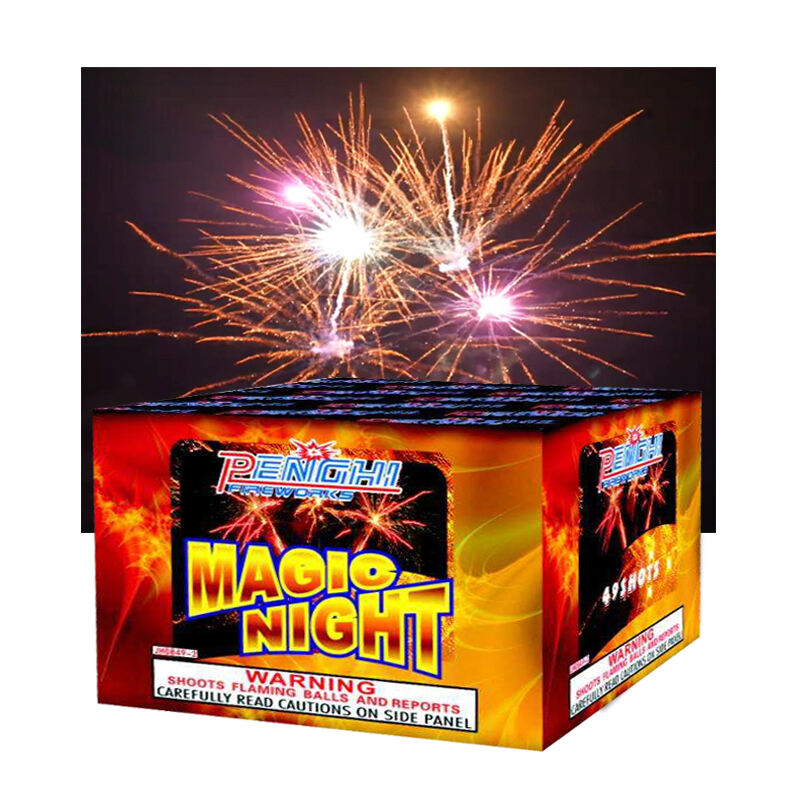
What Are Cake Fireworks? Design and Multi-Shot Performance Explained
Understanding the Structure of Cake Fireworks
Cake fireworks come as single shot pyrotechnics meant for everyday folks who want to light things up. They sit on a small base usually shaped like a rectangle, constructed from either cardboard or plastic material. Inside this box there are several mortar tubes already loaded with those colorful sky bursting shells we all love so much. All these tubes are linked together through one main fuse line running across them. What makes cakes so great is that they don't require anyone to stop and reload after each bang. Just set it off at one end and watch the whole thing go off in sequence without interruption. This convenience factor works wonders whether someone's just starting out with fireworks or has been shooting them since childhood.
How Multi-Shot Technology Creates Sequential Aerial Effects
Cake fireworks depend on an internal fuse system known as quickmatch that connects all the mortar tubes in a set order. When someone lights the main fuse, this special cord passes the flame quickly from tube to tube, making the whole thing work like clockwork. The result? A series of effects lighting up the sky one after another - think bright bursts, sharp crackling sounds, and intricate shapes forming in midair. What makes these so popular is how they basically run themselves once started. No need for anyone to mess around during the display. They give backyard spectators something that looks almost like what professionals put on at big events, but with far less hassle for whoever's setting them off.
Why Cake Fireworks Are Ideal for Personal and Community Displays
Cake fireworks look great and are super easy to handle, which is why they work so well at backyard parties and town festivals. These pre-packed displays create that awesome professional show effect but cut down on the dangers since everything comes together in one package. People love them because they're much safer than dealing with individual firework pieces, especially when kids might be around. That's probably why these cakes have become such a hit for family barbecues, neighborhood celebrations, and even small town Fourth of July events where safety matters just as much as the bang factor.
Safety Best Practices for Using Cake Fireworks in Outdoor Settings
Common Hazards Associated with Improper Handling of Cake Fireworks
If cake fireworks aren't handled properly, they can cause pretty bad accidents sometimes. Think about when these things tip over and send sparks flying towards people standing nearby or even into flammable stuff like dry grass or paper products. A big problem happens when folks don't make sure their fireworks are stable enough on whatever surface they're placed on. The US Consumer Product Safety Commission reported something shocking last year actually - around 10,200 injuries related to fireworks in 2023 alone, and quite a few of those cases involved setups that weren't secure at all. There's also the risk of early ignition if someone leans too close to the device while lighting it up. Damaged fuses often result in misfires too, which nobody wants during celebrations. And let's not forget about secondary fires starting from debris falling onto nearby objects. Most manufacturers will tell anyone who asks that launching fireworks on hillsides, soft ground, or anywhere close to buildings made of wood or other burnable materials without good anchoring is just asking for trouble.
Essential Safety Precautions: Lighting, Distance, and Supervision
When lighting those cake fireworks, keep some distance between yourself and the device. Use long sticks or similar tools to light them from afar, standing to one side instead of right behind where they'll go off. Spectators should stay at least 50 feet away, maybe even more if dealing with bigger displays. Always have someone who isn't drunk watching what's going on with the lighting process. Water buckets or garden hoses come in handy too, just in case something goes wrong. Don't forget eye protection while setting everything up and actually lighting the fireworks. The National Safety Council reports that around 7 out of 10 firework related injuries happen because people skip simple steps like keeping proper distance and controlling crowds properly.
Real-World Lessons from Backyard Firework Incidents
Looking at accident reports shows there are definitely patterns we can spot when it comes to fireworks mishaps. A recent study from 2024 checked ER records and found something interesting: around 40 percent of all injuries happened because fireworks just fell over. Most of these occurred when people placed them on wobbly ground or soft spots without any kind of support. Then there's another chunk of problems too. About 30% of injuries came from folks trying to light fireworks that already failed to work properly. Fireworks experts keep telling everyone this is super risky business though. What should happen instead? If a firework doesn't go off, soak it in water for half an hour minimum before tossing it away. The bigger picture here is pretty clear really. Secure those fireworks with stakes if they're going on grassy areas. For concrete or pavement, heavy objects like sandbags or bricks do the trick. And remember to check what the box says about weather conditions, stable surfaces, and keeping people safely away from where they'll launch.
Proper Setup: Stabilization Techniques and Surface Requirements
Securing Cake Fireworks on Grass, Concrete, and Uneven Ground
Getting the launch spot right matters a lot for both safety reasons and how well things work out. If launching from grassy areas, put the firework cake on something flat like wood or plywood so it doesn't sink into the ground. Concrete surfaces need to be level too, otherwise they'll just roll around when fired off. Dealing with rough ground? Grab some little wooden wedges or maybe some sandbags to stabilize everything properly. And absolutely stay away from hillsides or soft dirt spots because those places are basically asking for disaster once the fuse catches fire.
Effective Anchoring Methods to Prevent Tip-Overs During Launch
The way fireworks get anchored depends on what kind of surface they're on, but keeping them straight up is always important. For grassy areas, drive metal stakes through the bottom of the firework into the ground at opposite sides to keep it from moving around. When dealing with concrete surfaces, sandbags work well around the base or there are special temporary adhesives made just for this purpose. A little bit of tilt might not seem like much, but it can send sparks flying all over the place or even cause the whole thing to shoot sideways. Always double check that everything stays perfectly vertical before lighting anything up. Checking against what the manufacturer says in their guidelines isn't just good practice it actually makes a big difference in how safe the whole show turns out to be.
Creating Impressive Displays: Creative Arrangements and Synchronized Sequences
Planning Visually Engaging Firework Shows with Cake Fireworks
Good planning turns cake fireworks from random explosions into real shows people remember. Think about how the display will flow overall. Does it build slowly toward something big at the end? Or keep the excitement going all night long? Colors matter too when moving from one part of the show to another. Complementary colors work well together, but sometimes contrasting colors make things pop in a dramatic way. Most pros swear by the rule of thirds when arranging their cakes. Instead of spacing everything evenly across the sky, group them so there's balance without being boring. According to recent industry data, audiences tend to enjoy planned displays way more than those put together last minute. Someone actually did some research and found planned shows get around 72% better reactions from crowds. Don't forget timing either. Work out exactly when each cake should go off to keep things flowing smoothly without those awkward moments where nothing happens for ages.
FAQ
What are cake fireworks? Cake fireworks are multi-shot pyrotechnics that come in a single package with mortar tubes stacked inside a base. They provide a sequential display without requiring reloads between shots.
How do cake fireworks work? They operate using an internal quickmatch fuse system that connects all mortar tubes, allowing sequential firing when the main fuse is lit.
Are cake fireworks safe? They are considered safer than individual pieces, especially in controlled environments. Following safety guidelines ensures optimal performance and safety.
Where can I set up cake fireworks? Choose flat and open spaces away from flammable materials, with plenty of room around the launch site to prevent accidents.
How can I create a music-synchronized firework display? By using special software to coordinate the timing of explosions with the beats and rhythms of music tracks, enhancing visual and auditory experiences.