
 EN
EN
Understanding Professional Fireworks and Their Visual Capabilities
What Sets Professional Fireworks Apart From Consumer-Grade Options
Fireworks made for professionals stand apart from what regular folks buy at stores when it comes to size, ingredients, and how strictly they're controlled. Regular consumer fireworks usually pop off below 100 feet maximum height, but those big showstoppers used in professional displays can reach way over 500 feet into the sky thanks to special lifting powders and stronger containers built to handle the pressure. Safety isn't just important here it's mandatory. All these spectacular shows must follow strict guidelines set out by the NFPA 1123 standards, and only trained experts called pyrotechnicians are allowed to work with them. What really sets them apart though? Let's break down some of the main differences between everyday sparklers and those massive explosions we see during major events.
- Chemical precision: Professional-grade formulas use purer metallic compounds for consistent color saturation
- Multibreak shells: Capable of 3–7 sequential effects per launch tube
- Remote firing systems: Synchronized electronic ignition reduces human error risks
According to chemical engineering principles from pyrotechnic researchers at leading institutions, this elevated complexity demands rigorous testing protocols unavailable in retail products.
Designing for Visual Impact: Height, Timing, and Symmetry
Effective displays balance three design pillars:
- Vertical layering: 30% of shells fired above 400ft establish depth perception
- Rhythmic pacing: 12–18 bursts/minute prevents sensory overload
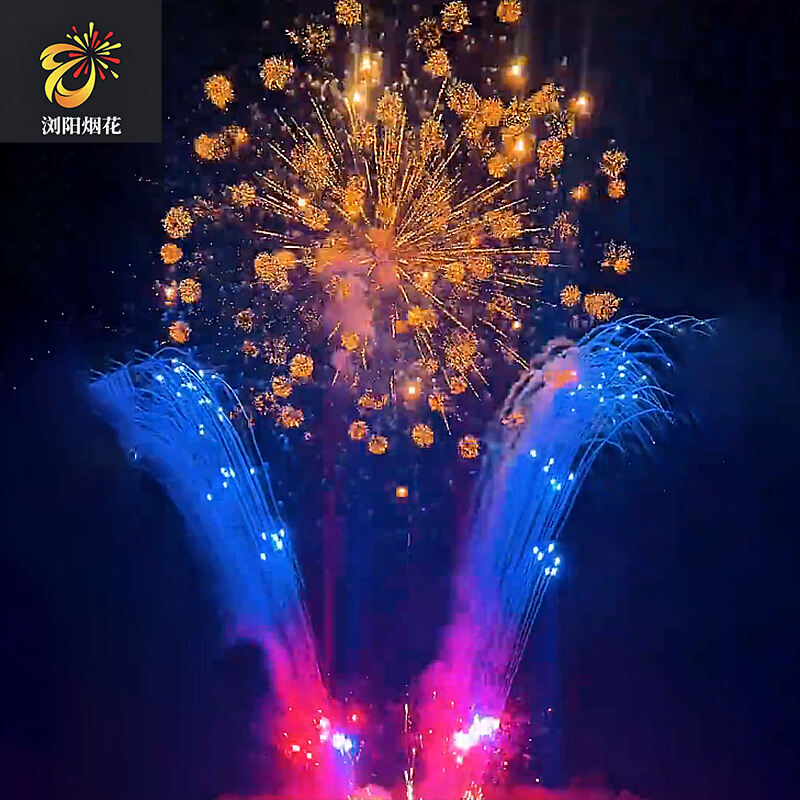
- Mirror symmetry: Paired launchers at 45° angles create mirrored crossettes
Pyrotechnicians use CAD software to simulate wind deflection (up to 15° at 20mph gusts) and adjust firing angles accordingly. For 10,000+ spectator events, multi-location "split shows" synchronize via GPS clocks to maintain cohesive timing across launch zones.
Choosing the Right Firework Effects for Audience Engagement
Key types of professional fireworks: Rockets, cakes, mines, and fountains
Fireworks displays typically feature around four main effects that professionals rely on. There are those big aerial rockets that shoot into the sky sometimes reaching heights of over 300 meters before bursting open. Then there are the cake batteries which fire off quick succession of bright colors in all sorts of interesting shapes. For ground level effects, mines send out sparkling stars sideways across the night, while fountain type fireworks keep putting on continuous shows of glowing sparks right where they stand. When putting together a display, pyrotechnicians mix and match these different options depending on what they want to achieve. Rockets give that wow factor with their height, cakes pack a punch with lots of action at once, and mines tend to catch people off guard with their unexpected bursts.
Matching effects to event type–festivals, weddings, corporate events
Festivals demand high-energy barrages with concussive reports, whereas weddings benefit from golden willow effects and heart-shaped bursts. Corporate events frequently incorporate logo-colored peonies and sequential firing patterns that mirror product launches. A 2023 pyrotechnic survey found 68% of event planners use brand-aligned firework colors when targeting commercial clients.
Creating layered displays with aerial and ground-based pyrotechnics
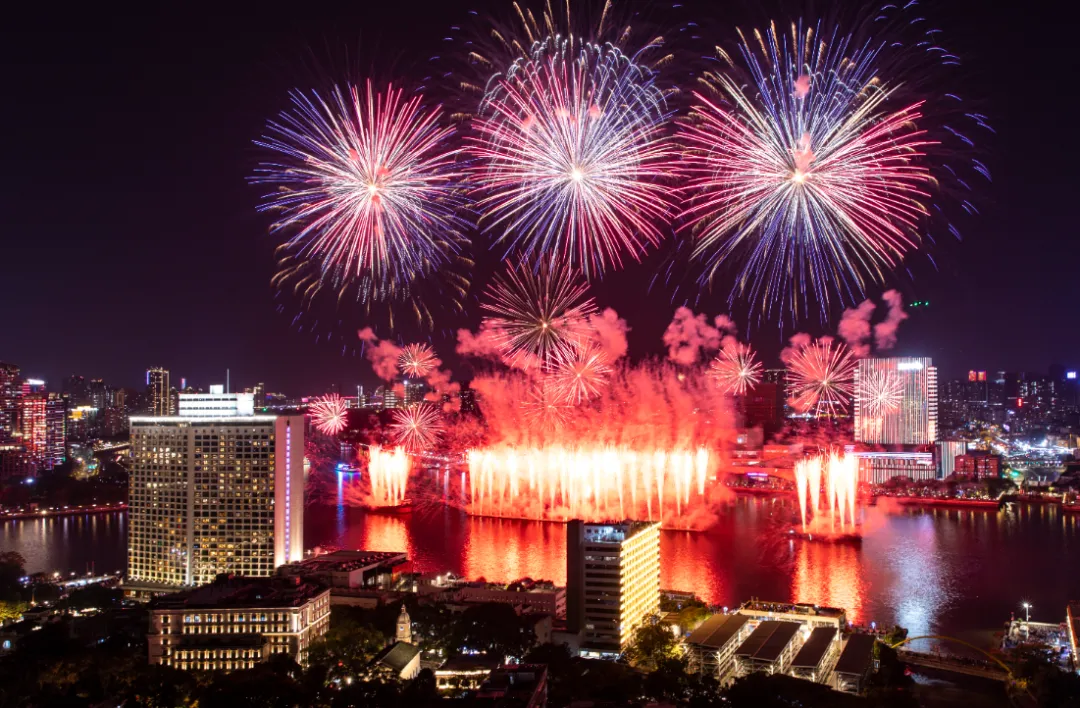
Layering techniques position roman candles at mid-height while shells explode at 200m elevation. This approach creates visual depth, with 83% of audiences reporting enhanced immersion in multi-level displays compared to flat aerial shows (PyroArts Journal 2023). Strategic timing intervals between ground spinners and overhead chrysanthemums prevent sensory overload.
Choreographing fireworks to music and narrative for emotional impact
Recent studies show events using narrative-driven pyrotechnics see 78% higher audience satisfaction scores (EventMarketer 2023). Synchronizing staccato crossette bursts with drumbeats or aligning golden palm effects with orchestral swells intensifies emotional resonance. Physiological testing reveals synchronized displays elevate heart rates by 22% compared to uncoordinated shows–a metric of heightened engagement.
Site Planning and Safety Requirements for Professional Fireworks
Selecting optimal launch sites: Visibility, fallout zones, and wind direction
Fireworks experts always look for clear lines of fire and position themselves upwind when setting off displays so they can better manage where debris lands. According to research published last year on pyrotechnic safety, events that include proper fallout areas at least 100 meters around the launch site cut down on cleanup expenses by about 40 percent compared to smaller spaces. The wind matters a lot too. When fireworks go off at right angles to where the wind is blowing, there's less smoke hanging around after the show, plus the actual explosions maintain their intended shapes without getting distorted by crosswinds.
Audience safety: NFPA standards for setback distances and exclusion zones
According to the National Fire Protection Association, there needs to be at least 25 meters between spectators and Category F4 fireworks displays. This rule has been pretty effective actually, cutting down on debris problems by around 92% based on what we've seen from past events. When it comes to bigger shells measuring between six and twelve inches, the required safety distance jumps up to 70 meters. Event organizers also need to keep clear paths open for emergencies during these shows. Looking at actual numbers from recent years, places that follow NFPA 1123 guidelines tend to see about a two thirds drop in safety issues compared to those that don't comply. The Pyrotechnics Guild International reported this finding back in 2023, reinforcing why proper spacing matters so much for everyone's safety.
Adapting firework selection to venue size and environmental constraints
Compact urban locations benefit from low-smoke comet tails and reduced-diameter shells (ℙ3"), while rural areas permit Chrysanthemum shells reaching 300m altitudes. A 2023 venue analysis revealed 78% of professional displays now combine ground-based gerbs with aerial repeats to overcome spatial limitations–a technique doubling perceived effect density without expanding fallout zones.
Weather and Environmental Factors in Fireworks Display Success
How Wind, Humidity, and Temperature Affect Launch and Burst Performance
Weather plays a huge role in how professional fireworks shows turn out. When wind blows too hard or changes direction suddenly, it messes with where the debris lands and how aligned everything looks in the sky. The British Pyrotechnics Association found that winds over 12 miles per hour can actually push shells off course by around 30 to 50 feet for every 100 feet they rise. Moisture in the air also affects things quite a bit. When humidity is high, flames don't get as hot, which makes colors look washed out instead of vibrant. Cold weather slows down the chemistry inside the fireworks, so explosions happen later than expected. Take blue effects made with magnesium for instance these tend to lose about half their brightness when there's 85% humidity compared to what we see on dry nights.
Mitigating Risks in Marginal Weather Conditions
Adaptation is critical for displays in adverse weather:
- Wind: Use steeper launch angles (75–80°) and reduced lift charges to compensate for drift
- Humidity: Prioritize aluminum-rich effects for brighter whites and silvers
- Rain: Activate water-resistant firing systems and avoid low-level gerbs
As highlighted in the 2023 Pyrotechnic Safety Report, real-time adjustments like delaying ignition during wind shifts reduce fallout risks by 67%. Contingency shells with shorter fuse times ensure synchronization even with delayed launches.
FAQ
What are the main types of professional fireworks used in displays?
The main types include rockets, cakes, mines, and fountains. Rockets shoot into the sky before bursting open, cakes offer quick successions of colors, mines spread sparkles at ground level, and fountains provide continuous shows of sparks.
How do pyrotechnicians achieve vibrant colors in fireworks?
Vibrant colors are achieved through stoichiometric metal-to-oxidizer ratios, using compounds like strontium carbonate for red, barium chloride for green, and copper oxide for blue.
What factors must be considered for optimal fireworks site planning?
Key factors include visibility, fallout zones, and wind direction. Proper planning ensures reduced cleanup expenses and that explosions maintain their intended shapes.
How do weather conditions affect fireworks displays?
Weather conditions like wind, humidity, and temperature can alter debris landing, color vibrancy, and explosion timing. Adjusting launch angles and fuse times help mitigate risks.
What safety distances are required for fireworks displays?
The NFPA requires at least 25 meters distance from spectators for Category F4 fireworks and 70 meters for larger shells. Proper paths for emergencies must also be kept open.
Table of Contents
- Understanding Professional Fireworks and Their Visual Capabilities
- Choosing the Right Firework Effects for Audience Engagement
- Site Planning and Safety Requirements for Professional Fireworks
- Weather and Environmental Factors in Fireworks Display Success
-
FAQ
- What are the main types of professional fireworks used in displays?
- How do pyrotechnicians achieve vibrant colors in fireworks?
- What factors must be considered for optimal fireworks site planning?
- How do weather conditions affect fireworks displays?
- What safety distances are required for fireworks displays?