
 EN
EN
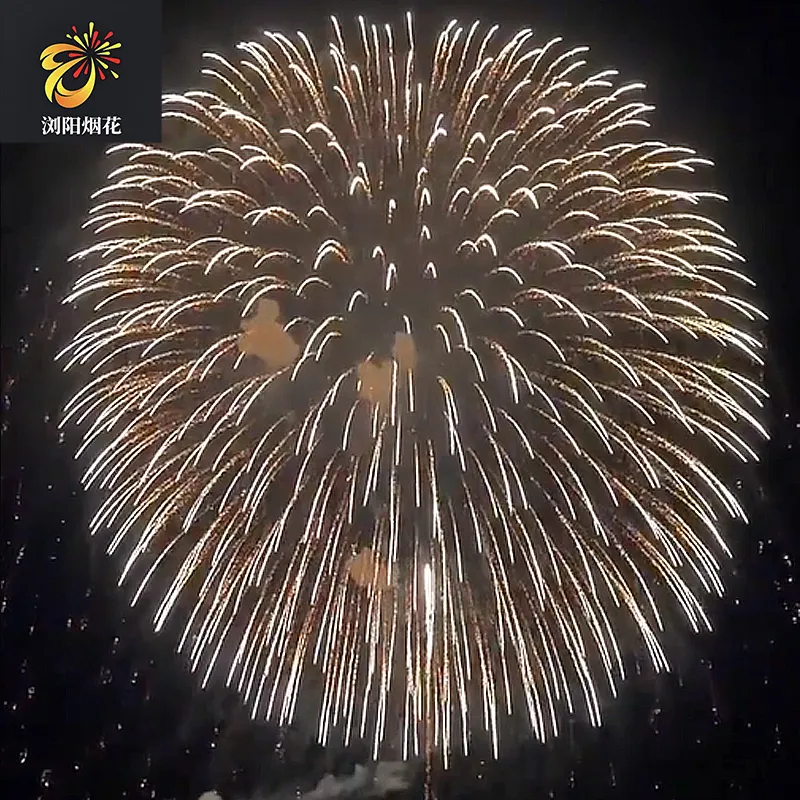
Regulatory Framework and Classification of Professional Fireworks
What Are Professional Fireworks (Class B, UN 0335)?
Fireworks used professionally fall into the Class B category according to U.S. regulations, which means they're meant for big public shows rather than backyard fun. The ones labeled UN 0335 typically have flash powder inside or other powerful stuff that packs more than 130 milligrams worth of bang per unit. What makes these different from what people buy at stores? Well, professional grade fireworks can send those colorful shells way up there around 600 meters in the sky, and when they go off, the display covers an area about 300 meters across. That kind of scale just isn't possible with regular consumer fireworks.
ATF and DOT Regulations for Display Fireworks
The ATF requires anyone working professionally with fireworks to have what's called an Explosives Manufacturer or Importer License, specifically Type 20. At the same time, the DOT has its own set of rules for shipping these items. According to section 172.101 of Title 49 in the Code of Federal Regulations, all Class 1.3G fireworks must be packed in UN certified containers and clearly marked with hazard signs during transport. These regulations aren't just paperwork either. Companies caught breaking them face serious consequences including potential fines reaching as high as quarter of a million dollars under federal explosives laws. Most businesses know better than to mess with this stuff since the penalties are simply too steep to risk.
Understanding UN Classifications: UN 0333, UN 0335, and UN 0336
The United Nations categorizes display fireworks into three primary classifications:
| UN Code | Hazard Class | Use Case |
|---|---|---|
| UN 0333 | 1.1G | Industrial salutes |
| UN 0335 | 1.3G | Commercial displays |
| UN 0336 | 1.4G | Consumer fireworks |
These designations, recognized in the Federal Hazardous Materials Regulations, determine storage requirements and transportation protocols globally.
Licensing Requirements for Purchasing and Igniting Professional Fireworks
To legally purchase Class B fireworks, pyrotechnicians must complete ATF-approved safety training (40+ hours), pass FBI background checks, maintain $10 million in liability insurance, and submit storage facility blueprints to regional ATF offices. States like California impose additional restrictions, requiring local fire marshal approval for any display exceeding 500 shells.
Case Study: Municipal Fireworks Display in Texas
A 2023 Independence Day event in Houston demonstrates compliance in action. Organizers used UN 0335-compliant shells from a licensed vendor, positioned launchers 300 meters from spectators, and deployed 12 certified pyrotechnicians. The display followed CPSC guidelines for crowd-safe distances, resulting in zero incidents despite launching over 8,000 aerial effects.
Consumer Fireworks: Types, Laws, and Legal Limitations
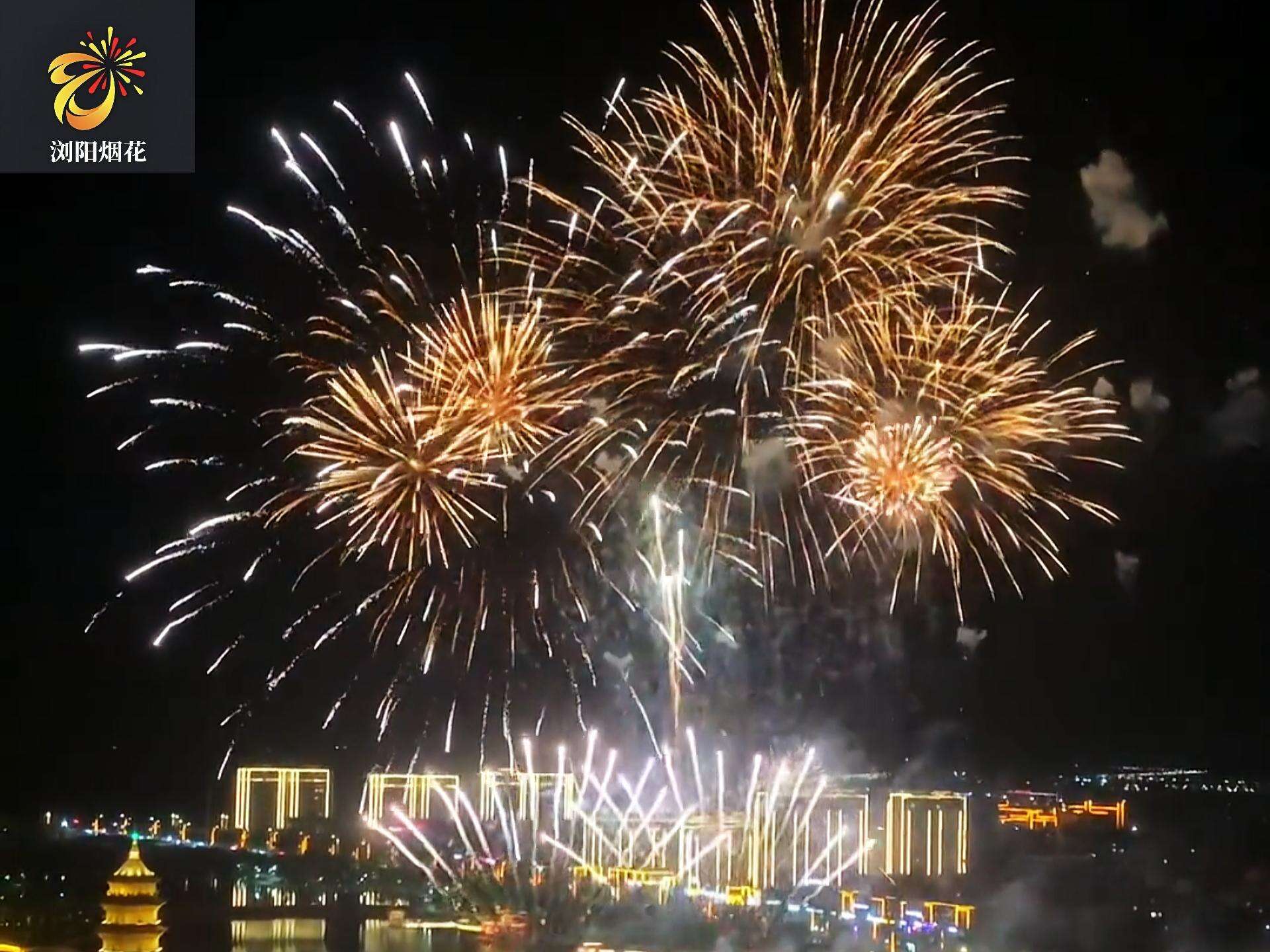
Defining Consumer Fireworks (1.4G) and Their Federal Classification
In the United States, consumer fireworks fall under the category of 1.4G explosives according to federal regulations. They're meant for general public enjoyment with minimal danger involved. Most consumer grade fireworks have around 50 mg or less of actual explosive content, which pales in comparison to what professionals work with. Common types available to regular folks include sparklers, those spinning devices that go round and round on the ground, plus various smaller sky-bursting effects. The CPSC handles oversight through their regulations outlined in 16 CFR Part 1507. Manufacturers must pass stability tests, ensure fuses burn between three to nine seconds before ignition, and provide clear warnings so people know how to handle them safely without getting hurt.
Common Types: Fountains, Sparklers, and Novelties
Four primary categories dominate consumer markets:
- Fountains: Ground-based devices producing colored sparks (up to 10 feet high)
- Sparklers: Handheld rods with slow-burning metallic fuels (1,200–1,600°F)
- Novelties: Smoke bombs, snap-and-pop items, and confetti cannons
- Cakes: Pre-loaded multi-shot aerial units with 500 grams total powder
Federal Safety Standards: 16 CFR Part 1507 Overview
Federal rules require consumer fireworks to pass:
| Test Parameter | Requirement |
|---|---|
| Stability | No tipping in 8° tilt test |
| Burn Time | Minimum 3-second delay before effect |
| Fuse Integrity | Resists 100g weight suspension |
| Labeling | Clear hazard warnings in English |
Non-compliant devices accounted for 38% of fireworks-related seizures in 2022 CPSC enforcement reports.
State-by-State Variability: Fireworks Laws in Texas and Beyond
While federal law permits 1.4G fireworks nationwide, 16 states impose additional restrictions. Texas allows aerial fireworks except in drought-stricken counties, while Massachusetts bans all consumer-grade devices. Twelve states prohibit firecrackers despite federal approval, and 23 require purchasers to sign liability waivers at point of sale.
Performance Comparison: Power, Scale, and Visual Impact
Explosive Composition and Launch Altitude Differences
Professional fireworks contain high-energy compounds like flash powder (75–85% potassium perchlorate), enabling launch altitudes exceeding 1,000 feet–five times higher than consumer fireworks, which max out around 200 feet. In contrast, consumer-grade products rely on limited black powder compositions, restricted to ground-based effects or low-altitude bursts under CPSC 16 CFR 1507 standards.
Sound Output and Brightness: Decibel and Luminosity Data
Pyrotechnic displays for professional events generate 150–175 decibels at ignition–equivalent to a jet engine–while consumer fireworks average 120 dB, roughly the noise level of a chainsaw. Brightness disparities are equally significant:
| Metric | Professional Fireworks | Consumer Fireworks |
|---|---|---|
| Peak Luminosity | 1.2M lumens | 200k lumens |
| Burst Diameter | 300–600 ft | 20–50 ft |
| Color Palette | 7+ layered hues | 1–3 basic colors |
Source: 2023 Pyrotechnics Safety Report
Duration and Complexity of Aerial Effects
A professional-grade 200mm shell creates 8–12 seconds of synchronized patterns (e.g., weeping willows or crossette stars), whereas consumer aerial repeats rarely exceed 3 seconds with limited geometry. Leading manufacturers now embed multi-phase fusing in professional shells to choreograph 3–5 sequential effects per launch.
Why Some Consumer Fireworks Mimic Professional Displays
Despite strict FHSA regulations prohibiting more than 50mg of explosive content, consumer brands use aluminum flakes and titanium granules to simulate miniature chrysanthemum bursts. However, these lack the radial symmetry or aerial stability of professional counterparts due to smaller mortar tubes (1–2” vs. 6–12” diameters) and compressed combustion timelines.
Safety Risks and Best Practices for Consumer Fireworks Use
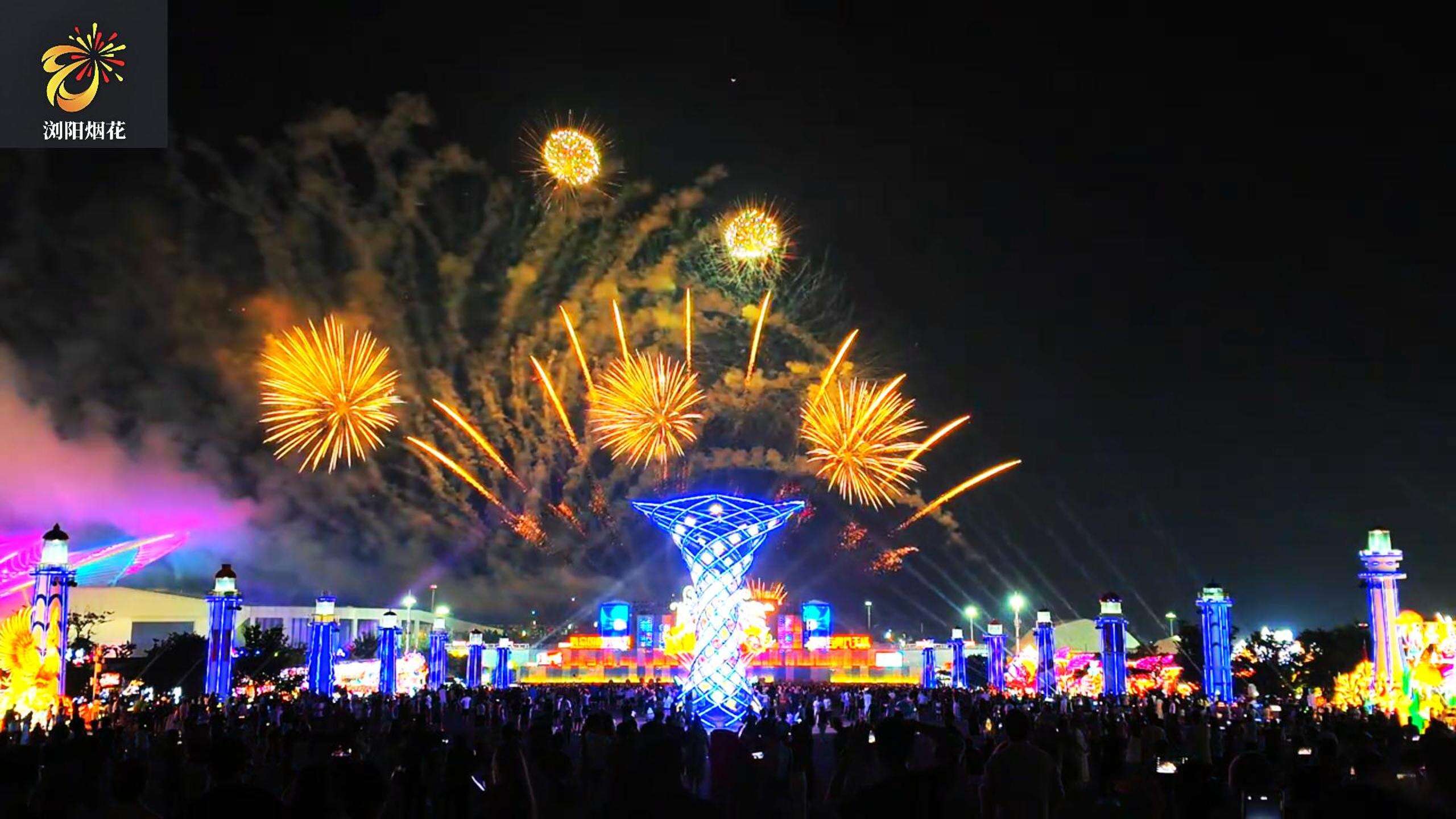
Common Injuries from Consumer Fireworks (CPSC Data)
The U.S. Consumer Product Safety Commission (CPSC) reports 9,700 fireworks-related emergency room visits in 2023, with teens (15–19) and children (5–9) accounting for 42% of injuries. Sparklers–often perceived as harmless–caused 700 injuries, burning at 2,000°F (1,093°C). Malfunctioning fuses and erratic flight paths contributed to 18% of incidents involving CPSC-tested fireworks.
Best Practices for Safe Backyard Fireworks Displays
Create a 5-foot non-combustible zone around launch areas and follow the 2023 Fireworks Injury Prevention Report guidelines: use only 1.4G-classified consumer fireworks legal in your state; keep spectators at least 35 feet from ground devices (fountains) and 150 feet from aerial effects; and soak defective fireworks in water for 30 minutes before disposal.
Supervision, Ignition Distance, and Fire Prevention Measures
Adult supervision reduces 78% of youth-related injuries according to CPSC analysis. Maintain a hose or bucket within 10 feet of ignition sites, and never reignite "dud" fireworks–40% of hand injuries occur during secondary ignition attempts. Replace sparklers with glow sticks for children under 12.
Step-by-Step Guide to Planning a Safe Personal Fireworks Show
- Check local ordinances using state-specific fireworks law databases
- Layout launch zones parallel to wind direction
- Assign a "safety spotter" to monitor fall zones
- Conduct post-show sweeps with metal detectors to locate unexploded charges
The Role of Regulatory Agencies in Fireworks Oversight
ATF vs. CPSC: Jurisdiction Over Professional and Consumer Fireworks
When it comes to regulating fireworks at the federal level, there are actually two main players involved in this safety game. The ATF handles all those big show-stopping displays we see during Fourth of July celebrations. They work with what they call Class B or UN 0335 fireworks, which means only trained professionals can store and set them off according to strict federal regulations. On the other side of things sits the CPSC, keeping an eye on the smaller stuff people buy for backyard fun. These consumer grade fireworks fall under category 1.4G or UN 0336 regulation. The CPSC makes sure these products have proper fuse lengths between three to nine seconds and restricts certain chemicals in their compositions to keep everyone safe when lighting them off at home.
Banned Fireworks and the Federal Hazardous Substances Act (FHSA)
The FHSA prohibits fireworks exceeding 50mg of explosive powder or containing hazardous chemicals like lead or arsenic. For example, cherry bombs and M-80s are banned nationwide, as noted in the CPSC’s 2024 enforcement report. These restrictions reduce burn injuries, which accounted for 36% of consumer fireworks incidents in 2023.
Enforcement Challenges and Interstate Commerce Issues
Agencies face compliance gaps when consumer-grade products mimic professional fireworks” explosive yields. For instance, 12% of seized fireworks in 2023 violated both DOT shipping standards (UN 0333/0335 classifications) and FHSA fuse rules. State-federal coordination struggles persist–Texas intercepted $1.2 million in illegal aerial shells in 2022, while California reported over 300 cases involving unlicensed vendors.
FAQ
What distinguishes professional fireworks from consumer fireworks?
Professional fireworks, also known as Class B or UN 0335, are used for large public displays with high launch altitudes and extensive burst diameters compared to consumer fireworks, which are smaller, less powerful, and classified as 1.4G or UN 0336.
What are the safety requirements for handling professional fireworks?
Handlers must have an ATF Type 20 license, undergo ATF-approved safety training, pass FBI background checks, carry significant insurance, and comply with federal and state regulations.
Can consumer fireworks simulate professional displays?
Some consumer brands use metal flakes to mimic professional effects but cannot match the scale or complexity of true professional displays due to specific regulatory limits, including on explosive content and device size.
What should I do if a consumer firework malfunctions?
Soak defective fireworks in water for 30 minutes before disposal to prevent accidental ignition and follow best practices outlined by safety agencies such as the CPSC.