
 EN
EN
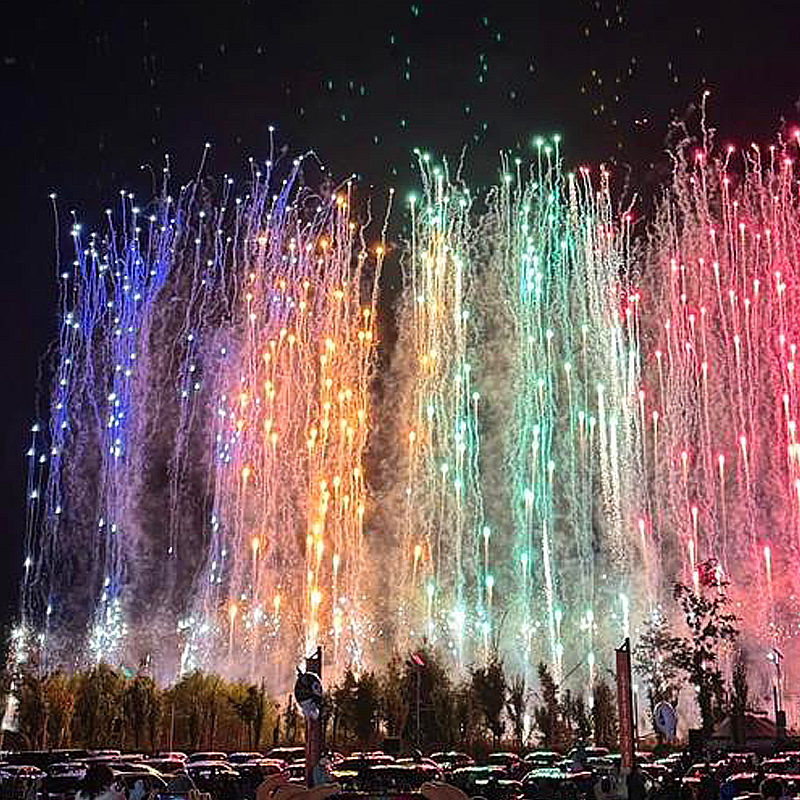
طراحی ساختاری شمعهای آتشبازی
معماری ماژولار لولهها و بارگذاری دقیق مواد شیمیایی
فشردهسازی شلیککنندههای کیک (Cake fireworks) شامل آرایهای فشرده از لولههای جداگانه و بهصورت شبکهای مرتبشده است که معمولاً در نمایشهای حرفهای دارای ۱۶ تا بیش از ۵۰۰ حفره هستند. هر لوله بهعنوان یک سیستم پرتاب مستقل عمل میکند و با ترکیبات پیروتکنیکی لایهبندیشده با دقت پر میشود: بار اولیه در پایین لوله، اثرات را به سمت آسمان پرتاب میکند، در حالی که بخشهای بالایی حاوی ترکیبات شیمیایی متفاوتی هستند—مانند کربنات استرانسیوم برای رنگ قرمز خالص یا اکسید مس برای انفجارهای آبی. این طراحی ماژولار به سازندگان اجازه میدهد تا دنبالههای پیچیده و ازپیش هماهنگشده را درون یک واحد تنظیم کنند و از احتیاج به روشنکردن دستی مجدد و عدم یکنواختی مسیر پرواز گلولهها جلوگیری نمایند. کنترل دقیق کیفیت نسبتهای شیمیایی را تحت نظارت قرار میدهد؛ انحرافاتی به اندازه ±۲٪ نیز میتواند رفتار احتراق یا خلوص رنگ را تغییر دهد، همانطور که در مطالعات معتبرِ فرمولبندی پیروتکنیک (۲۰۲۳) گزارش شده است.
فیوزهای تأخیر هماهنگشده و ادغام لایه زمانبندی
ویژگی ترتیبدهی ریتمیک عرضههای کیکی (کیک فایرورک) ناشی از فیوزهای تأخیری توکار است—که این فیوزها از زنجیرههای باروت سیاه، پیچیده در کاغذ، تشکیل شدهاند و بهگونهای تنظیم شدهاند که با سرعت ۰٫۵ تا ۳ سانتیمتر بر ثانیه بسوزند. این شبکههای فیوز لولهها را از طریق یک لایه زمانبندی لامینهشده به هم متصل میکنند، جایی که طولهای متفاوتِ استراتژیک فیوزها باعث ایجاد فواصل اشتعال تدریجی میشوند. بهعنوان مثال، یک کیک ۵۰۰ گرمی ممکن است شامل موارد زیر باشد:
| نوع ریزشکن | سرعت احتراق | عملکرد |
|---|---|---|
| اتصال سریع | ۱۰۰ فوت بر ثانیه | اشتعال همزمان خوشهای |
| ویسکو | ۰٫۴ اینچ بر ثانیه | تأخیر ۱ تا ۳ ثانیهای بین اثرات |
| کراسِت | چند مرحلهای | انفجار توپ در میانهٔ صعود |
این معماری امکان میدهد کیکهای فشرده، نمایشهای حرفهای را شبیهسازی کنند و از طریق کارگردانی خودکار آتشبازی، بیش از ۶۰ اثر را در کمتر از ۹۰ ثانیه اجرا نمایند. دقت زمانبندی تضمین میکند که انفجارها در «پنجرههای» جوی تعیینشده رخ دهند و لایهبندی بصری را بدون برخورد به حداکثر میرسانند—که این امر دستاوردی حیاتی از نظر ایمنی و طراحی محسوب میشود.
فیزیک اشتعال لایهای در کیکهای آتشبازی ۵۰۰ گرمی
آزادسازی انرژی مرحلهای و تنظیم نرخ سوختن
طیف لایهلایهشدهٔ فشفشههای شصتگرمی به کنترل دقیق آزادسازی انرژی در مراحل مختلف وابسته است. هر لوله حاوی ترکیبی پیروتکنیکی سفارشی است که با نرخی کالیبرهشده میسوزد، در حالی که فیوزهای تأخیر داخلی احتراق را در طول مسیری پیشتعیینشده هدایت میکنند—و اینگونه مکثهای عمدی بین شلیکها ایجاد میشود. این امر از شلیک همزمان جلوگیری کرده و بهجای آن، دنبالهای ریتمیک و صعودی از انفجارها را ایجاد میکند. تنظیم نرخ احتراق از طریق اصلاح فرمولهای شیمیایی انجام میشود: ترکیباتی که سریعتر میسوزند، منجر به گلولههایی با ارتفاع بالاتر و اثرات صوتی تیزتر میشوند، در حالی که ترکیبات کندتر، شاخههایی شبیه بید یا گلهای ماهیانهٔ پایدار را تولید میکنند. این پدیده از نظر فیزیکی بر اساس فرآیند «تعریق» (Deflagration) — نه انفجار (Detonation) — استوار است که انبساط کنترلشدهٔ گاز را امکانپذیر میسازد و گلولهها را به ارتفاعات محاسبهشدهای پرتاب کرده و در آنجا منفجر میکند. با تنظیم دقیق زمانبندی و سرعت احتراق، سازندگان اطمینان حاصل میکنند که هر شلیک بهصورت هماهنگی در یک نمایش پویا و چندمرحلهای مشارکت داشته باشد. این مهندسی تکشلیکی را به روایتی بصری ساختارمند تبدیل میکند.
اثرات بصری امضاشده توسط شرکت کیک فایروورکس
عمق از طریق جابجایی عمودی: سلامتها، میمونها و آفتابگردانها
فِیروُرکهای کیکشکل با پرتاب اثرات متمایز در ارتفاعهای دقیقاً متفاوت، عمق قابل توجهی به نمایش خود میبخشند. سالوتها در ارتفاع پایینتری منفجر میشوند و درخشش تیز و صدای ترکیدگی پرطنینی ایجاد میکنند که پایه و اساس نمایش را تشکیل میدهد. پئونیها در ارتفاع میانی گشوده شده و کرههای متقارنی از رنگ را ایجاد میکنند که میدان دید مرکزی را پر میسازند. گلهای خرگوشی — که از نظر شکل مشابه پئونیها هستند اما ردپاهای بلندتری با زمان سوختن طولانیتر دارند — کمی بالاتر گشوده میشوند و حرکت رو به بالا و تضاد بافتی ایجاد میکنند. فیوزهای تأخیری بهطور دقیق این انفجارها را به ترتیبی طوری تنظیم میکنند که مخاطب آنها را بهصورت یک جریان طبیعی درک کند: ابتدا سالوتهای پایین، سپس پئونیهای مرکزی و در نهایت گلهای خرگوشی در ارتفاع بالاتر. این ترازبندی عمودی از تختو یکنواختی جلوگیری کرده و چشم بیننده را به سمت بالا هدایت میکند و تجربهای غوطهورانه و سهبعدی ایجاد مینماید. از اهمیت ویژهتر این است که تمام این سه نوع اثر را میتوان درون یک واحد کیکی واحد طراحی کرد — بدون نیاز به موقعیتهای شلیک جداگانه — با تنظیم همزمان جرم بار بلندکننده، نرخ سوختن شیمیایی و زمان تأخیر فیوز.
چرا فِیروُرکهای کیکشکل پیچیدگی ریتمی بینظیری ارائه میدهند
معماری ماژولار فایروورکهای کیک، امکان طراحی پیچیدگیهای ریتمیکی را برای متخصصان فایروورک فراهم میکند که با دستگاههای تکشلیکی غیرممکن است. با چیدمان چندین لوله همراه با فیوزهای تأخیری کالیبرهشده—که مدت زمان تأخیر آنها از چند میلیثانیه تا چند ثانیه متغیر است—طراحان عبارات بصری همپوشانیداری ایجاد میکنند که شبیه به موتیفهای موسیقایی هستند. استقلال لولهها امکان جایگزینی عمدی را فراهم میسازد: گلهای کریزانتم در همان زمانی که شهابوارههای ترکخورده در حال صعود هستند، گشوده میشوند و سپس سلامهای هماهنگشده، توالی را با وقفههای دقیقی تأکید میکنند. برخلاف شلیکهای تصادفی چندگانه در پوستههای چندانفجاری، فایروورکهای کیک روابط فضایی دقیق بین اثرات را حفظ میکنند—بهگونهای که مخاطبان قادر به شناسایی الگوها هستند، در عین حال با تغییرات عمدی نیز روبهرو میشوند. ترتیب عمودی (تدریجی) اثرات نیز ریتم را بیشتر تقویت میکند: یک گل پئونی در ارتفاع بالا ممکن است پیش از یک ماین در سطح پایینتر ظاهر شود و لایههای موجداری از نور و صدا ایجاد کند. این کارگردانی قابل برنامهریزی و مبتنی بر اصول فیزیک، واکنشهای شیمیایی را به سمفونیهای فایروورکی دقیقاً هماهنگشده تبدیل میکند—جایی که زمانبندی، ارتفاع و شیمی در کنار هم قرار گرفته و نمایشهایی تکرارپذیر و احساسی را ارائه میدهند.
سوالات متداول
۱. فشنگهای کیکی چیستند؟
فشنگهای کیکی واحدهای شبکهای از پیشچیدهشدهای هستند که از چندین لولهٔ جداگانه تشکیل شدهاند و هر کدام حاوی اثرات نورپردازی هستند. این فشنگها امکان ارائهٔ نمایشهای پیچیده و هماهنگشده را بدون نیاز به روشنکردن دستی مجدد فراهم میکنند.
۲. فشنگهای کیکی چگونه نمایشهای ریتمیک ایجاد میکنند؟
نمایشهای ریتمیک با استفاده از فیوزهای تأخیری کالیبرهشده و ساختار ماژولار لولهها حاصل میشوند که امکان اجرای توالیهای اشتعال کنترلشده با زمانبندی دقیق را فراهم میکنند.
۳. انواع اثرات بصری که فشنگهای کیکی میتوانند تولید کنند چیستند؟
از جملهٔ اثرات رایج میتوان به سالوتها، پئونیها و گلهای خرگوشی اشاره کرد که هر کدام در ارتفاعهای متفاوتی منفجر میشوند تا عمق و روایتهای بصری پویا ایجاد کنند.
۴. شیمی در فشنگهای کیکی چه نقشی ایفا میکند؟
ترکیبات شیمیایی برای تعیین نرخ احتراق، رنگها و اثرات بسیار حیاتی هستند. انحرافات جزئی در نسبتهای شیمیایی میتوانند بهطور قابلتوجهی بر نمایش تأثیر بگذارند.
۵. چرا فشنگهای کیکی منحصربهفرد تلقی میشوند؟
معماری قابل برنامهریزی آنها امکان هماهنگی دقیق نور و صدا را فراهم میکند که منجر به نمایشهایی بسیار پیچیده و جذاب از نظر بصری میشود.