 EN
EN
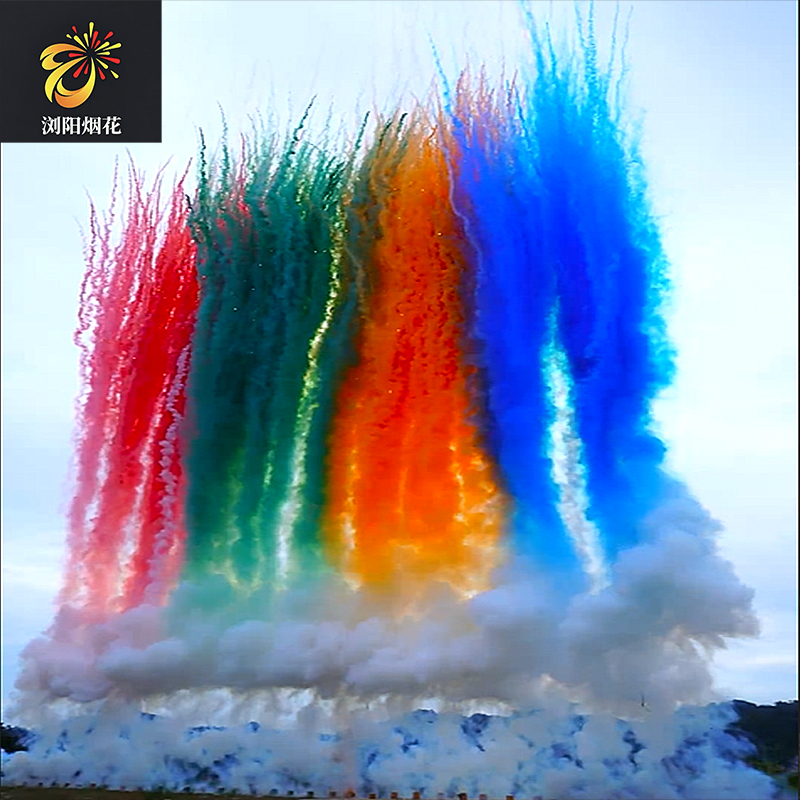
ວິທີການທີ່ໄຟສີ່ງສຳຫຼັບສາມສີຜະລິດໄຟສີທີ່ອອກພ້ອມກັນ
ສູດເຄມີສຳລັບການອອກໄຟສີແດງ, ຂາວ ແລະ ນ້ຳເງິນພ້ອມກັນ
ເຄື່ອງສະແດງສີທີ່ມີສາມສີ ມີຄວາມຫຼາກຫຼາຍທີ່ນ່າອັດສະຈັນ ເນື່ອງຈາກປະກອບເຄມີທີ່ຖືກອອກແບບຢ່າງລະອຽດ ເຊິ່ງຊ່ວຍໃຫ້ມັນປ່ອຍควັນສີແດງ ສີຂາວ ແລະ ສີຟ້າໄດ້ພ້ອມກັນ. ເມື່ອເຂົ້າໃຈໃນລາຍລະອຽດ, ສານສັງກະສີທີ່ມີສັງກະສີສັງກະສີ (strontium) ຈະເຮັດໃຫ້ເກີດສີແດງທີ່ເຂັ້ມຂຸ້ນ ໂດຍການເຮັດໃຫ້ອີເລັກຕຣອນເຄື່ອນໄຫວເມື່ອຖືກຄວາມຮ້ອນ. ສ່ວນເກືອທີ່ມີທຶງ (copper salts) ຈະເຮັດໜ້າທີ່ສ້າງສີຟ້າ ໂດຍການປ່ອຍແສງທີ່ມີຄວາມຍາວຄລື່ນຢູ່ໃນລະດັບ 450 ຫາ 485 ນາໂນແມັດເຕີ. ສຳລັບควັນສີຂາວທີ່ເຫັນໄດ້ຢ່າງເດັ່ນຊັດ, ຜູ້ຜະລິດມັກຈະໃຊ້ຝຸ່ນແມກນີເຊີມ ຫຼື ຝຸ່ນອາລູມີເນີຍມ ເຊິ່ງເຜົາໄໝ້ໄດ້ຢ່າງໄວວ່າ, ບາງຄັ້ງອຸນຫະພູມສາມາດເຖິງຫຼາຍກວ່າ 3,000 ອົງສາຟາເຮນໄຮດ. ປັນຫາອັນໃຫຍ່ໜຶ່ງທີ່ວິສະວະກອນເຄີຍເຈີບປັນຄືການຮັກສາສ່ວນປະກອບສີຕ່າງໆ ໃຫ້ບໍ່ປົນເປ; ພວກເຂົາຈຶ່ງໄດ້ພັດທະນາວິທີທີ່ເປັນເອກະລັກທີ່ເອີ້ນວ່າ 'micro-encapsulation' (ການຫໍ້ອັດດ້ວຍເຄືອບຈຸລະພາກ). ໂດຍຫຼັກການແລ້ວ, ພວກເຂົາຈະຫໍ້ອັດສີແຕ່ລະສີໄວ້ພາຍໃນເຄືອບຈຸລະພາກທີ່ເຮັດຈາກເຊື້ອເຊີ້ນ ຫຼື ພອລີເມີ ທີ່ຈະແຕກອອກເທົ່ານັ້ນເມື່ອເຖິງອຸນຫະພູມທີ່ກຳນົດໄວ້, ເພື່ອໃຫ້ສີແຕ່ລະສີຮັກສາຄວາມບໍລິສຸດ ແລະ ຕ່າງກັນຢ່າງຊັດເຈນ. ເພື່ອໃຫ້ທຸກຢ່າງເຮັດວຽກຮ່ວມກັນໄດ້ຢ່າງລຽບງ່າຍ, ພອຕາຊຽມ ເປີໂຄລ້ອເຣດ (potassium perchlorate) ແມ່ນເປັນຕົວເຮັດໃຫ້ເກີດການເຜົາໄໝ້ຫຼັກ, ແລະ ສ່ວນປະກອບເພີ່ມທີ່ເປັນຕົວຫ້າມການເຜົາໄໝ້ຈະຊ່ວຍຄວບຄຸມອັດຕາການເຜົາໄໝ້. ການອອກແບບທີ່ລະອຽດແລະຄຳນຶງເຖິງທຸກລາຍລະອຽດນີ້ ຊ່ວຍໃຫ້ສີທັງສາມສີປາກົດຂຶ້ນຢ່າງເທົ່າທຽມກັນ ໃນໄລຍະເວລາປົກກະຕິທີ່ເຄື່ອງສະແດງສີຈະເຫັນໄດ້ຢູ່ໃນທ້ອງຟ້າ ເຊິ່ງແມ່ນປະມານ 8 ຫາ 15 ວິນາທີ.
ໄຫວວິທະຍາການຈຸດລຸກເຜົາດ້ວຍຄວາມຮ້ອນ ແລະ ການແຜ່ກະຈາຍຂອງອະນຸພາບເພື່ອໃຫ້ໄດ້ໄອສີ່ທີ່ເປັນເອກະລັກ ແລະ ມີສີສັນທີ່ສົດໃສ
ການໄດ້ຮັບຜົນໄດ້ຮັບທີ່ເປັນມະຫາສານຂຶ້ນກັບການຄວບຄຸມການຈູດແລະສິ່ງທີ່ເກີດຂຶ້ນໃນລະດັບອະນຸພາກ. ສ່ວນເລີ່ມຕົ້ນທີ່ເຮັດຈາກໄນໂຕເຊລູໂລສ (nitrocellulose) ຈູດຊ້າໆ ຈະເຜົາໄໝ້ດ້ວຍອັດຕາລະຫວ່າງ 0.5 ເຖິງ 2 ເຊັນຕີແມັດເຕີຕໍ່ວິນາທີ, ເຊິ່ງຊ່ວຍໃຫ້ສ່ວນສີຕ່າງໆຮ້ອນຂຶ້ນໃນເວລາທີ່ຄ່ອຍຄ່ອຍເທົ່າກັນ. ເມື່ອອຸນຫະພູມເຖິງປະມານ 572 ອົງສາຟາເຣນໄຮດ (Fahrenheit), ສຳເນົາສີເຫຼົ່ານີ້ຈະປ່ຽນເປັນໄອ ແລ້ວຕົກຄົງເປັນອະນຸພາກນ້ອຍກວ່າ 10 ໄມໂຄຣນ. ອະນຸພາກຈຸລະພາກເຫຼົ່ານີ້ຢູ່ໃນອາກາດໄດ້ດີກວ່າອະນຸພາກທີ່ໃຫຍ່ກວ່າ, ເຮັດໃຫ້ສີເຫຼົ່ານີ້ເຫັນໄດ້ຢືນຍາວຂຶ້ນ. ການອອກແບບເປີກທີ່ເປັນພິເສດຮ່ວມກັບແຮງທີ່ເຮັດໃຫ້ເຄື່ອນທີ່ເປີກເຫຼົ່ານີ້ຫຼຸນໄຫຼ້ໄປທົ່ວທິດທາງ, ເຖິງແມ່ນວ່າຈະມີລົມພັດຕ້ານກໍຕາມ. ການທົດສອບທີ່ໃຊ້ແບບຈຳລອງດ້ວຍຄອມພິວເຕີສະແດງໃຫ້ເຫັນວ່າເມຶອງໄອສີເຫຼົ່ານີ້ຮັກສາຄຸນນະພາບສີໄດ້ດີຄ່ອນຂ້າງດີ ເຖິງແມ່ນວ່າລົມຈະພັດດ້ວຍຄວາມໄວປະມານ 25 ໄມລ໌ຕໍ່ຊົ່ວໂມງ. ການເຄື່ອນທີ່ທີ່ບໍ່ເປັນລະບົບ (turbulence) ຈະປະສົມທຸກຢ່າງພໍສົມຄວນ ໂດຍບໍ່ເຮັດໃຫ້ເມຶອງໄອເຫຼົ່ານີ້ແຕກສະຫຼາຍອອກທັງໝົດ. ສິ່ງທີ່ພວກເຮົາໄດ້ຮັບຄືສັນຍານໄອສີທີ່ສົດໃສ ແລະ ມີຄວາມເປັນມະຫາສານ, ເຊິ່ງເຮັດວຽກໄດ້ຢ່າງເຊື່ອຖືໄດ້ໃນສະຖານະການທີ່ການສື່ສານທີ່ຊັດເຈນມີຄວາມສຳຄັນທີ່ສຸດ.
ຂໍ້ດີດ້ານປະສິດທິພາບຂອງໄຟໄຫມ້ສາມສີໃນ ຄໍາ ຮ້ອງສະ ຫມັກ ຂອງຄວັນທີ່ມີສີສັນ
ຄວາມເຫັນດີຂຶ້ນ, ຄວາມແຕກຕ່າງ, ແລະ ການຮັບຮູ້ສັນຍານ ທຽບກັບໄຟຟ້າທີ່ມີສີດຽວ
ໄຟຟ້າສູບໄຟສາມສີ ເຮັດວຽກໄດ້ດີກວ່າຫຼາຍໃນການສົ່ງສັນຍານ ເພາະວ່າມັນປ່ອຍຄວັນສີແດງ, ສີຂາວ, ແລະສີຟ້າທັງ ຫມົດ ໃນເວລາດຽວກັນ. ເຫລົ່ານີ້ ແມ່ນສີສັນທີ່ໂດດເດັ່ນຫຼາຍ ເມື່ອທຽບໃສ່ກັບພື້ນທີ່ທີ່ແຕກຕ່າງກັນ ເຊັ່ນປ່າໄມ້, ແຫ້ງແລ້ງ, ຫຼືເຂດນ້ໍາທີ່ເປີດກວ້າງ ບ່ອນທີ່ຄົນເຮົາອາດຕ້ອງການຄວາມຊ່ວຍເຫຼືອໃນການເບິ່ງມັນ ມັນຍັງຫຼຸດຜ່ອນການສັບສົນທີ່ມັກເກີດຂື້ນກັບສັນຍານທີ່ມີພຽງແຕ່ສີດຽວ. ການທົດສອບທີ່ເຮັດໃນພາກສະຫນາມໄດ້ພົບວ່າ ຄົນເຮົາສາມາດສັງເກດເຫັນໄຟຟ້າທີ່ມີຫຼາຍສີນີ້ ໄດ້ໄວຂຶ້ນປະມານ 40 ເປີເຊັນ ໃນເວລາກາງເວັນ ທຽບໃສ່ໄຟຟ້າທີ່ມີສີດຽວປົກກະຕິ ເນື່ອງຈາກວ່າສີສັນແຕ່ລະສີ ບໍ່ສາມາດປະສົມປະສານກັນໄດ້ງ່າຍ, ທີມກູ້ໄພສາມາດສົ່ງຂໍ້ຄວາມລະອຽດກວ່າຜ່ານສັນຍານຄວັນ. ຍົກຕົວຢ່າງ, ພວກເຂົາສາມາດສະແດງສະຖານະການໃນປະຈຸບັນ, ທາງໃດທີ່ພວກເຂົາກໍາລັງມຸ່ງໄປ, ຫຼືວ່າສິ່ງທີ່ຮີບດ່ວນແມ່ນແນວໃດ. ການ ເຮັດ ໃຫ້ ຄວາມ ຮູ້ສຶກ ທີ່ ດີ
ຄວາມໝັ້ນຄົງຂອງບໍລະຍາກາດ ແລະ ຄວາມຕ້ານທານຕໍ່ລົມໃນການນຳໃຊ້ບົ່ງສີທີ່ມີສີສັນຫຼາກຫຼາຍໃນໂລກຈິງ
ການຜະລິດແບບໃຫມ່ໆ ທີ່ສຸດ ແມ່ນໃຫ້ຜົນງານດີ ເມື່ອມີສິ່ງຫຍຸ້ງຍາກ ໃນລະຫວ່າງການປະຕິບັດງານ ເມື່ອກ້ອນນ້ອຍໆມີຂະຫນາດທີ່ເຫມາະສົມ ປະມານເຄິ່ງມິເຄລອມແມັດ ຫາສອງມິເຄລອມແມັດ, ຄວັນຄວັນຈະຕິດກັນໄດ້ດີຂຶ້ນ. ພວກມັນສາມາດຢືນຕໍ່ລົມທີ່ພັດດ້ວຍຄວາມໄວປະມານ 20 knot ໂດຍບໍ່ຕ້ອງແຜ່ອອກໄປຫຼາຍເກີນໄປ, ແລະຍັງຮັກສາສີສັນຂອງພວກມັນເບິ່ງດີ. ເປັນຫຍັງມັນຈຶ່ງເຮັດວຽກໄດ້ດີ? ວິທີທີ່ແຕກຕ່າງກັນຂອງສີຕ່າງໆປ່ອຍຄວາມຮ້ອນສ້າງກະແສໄຟຟ້າທີ່ມີຄວາມ ຫມັ້ນ ຄົງດ້ວຍຕົນເອງ. ສິ່ງເຫຼົ່ານີ້ເຮັດໃຫ້ຄວາມລົບກວນທາງອາກາດທີ່ພວກເຮົາເຫັນໄດ້ຊ້າລົງ ຊຶ່ງຫມາຍຄວາມວ່າສັນຍານຈະເບິ່ງເຫັນໄດ້ປະມານ 35 ເປີເຊັນ ຍາວກວ່າ ກົງກັບຄວັນສີທໍາມະດາ ໃນລົມຂ້າງ. ການທົດສອບໃນໂລກທີ່ແທ້ຈິງ ໂດຍຫນ່ວຍງານທະຫານ ສະແດງໃຫ້ເຫັນຜົນຜະລິດສີທີ່ສອດຄ່ອງກັນ ໃນສະຖານະການສ່ວນໃຫຍ່ ໃນຈໍານວນການທົດສອບທັງຫມົດ ປະມານ 95 ເປີເຊັນ ເຮັດວຽກຕາມຄາດຫມາຍ ເຖິງແມ່ນວ່າສະພາບການຈະປ່ຽນແປງຢ່າງຫຼວງຫຼາຍ ດ້ວຍລະດັບຄວາມຊຸ່ມຊື່ນ ແລະອຸນຫະພູມທີ່ປ່ຽນແປງຈາກ -20 ອົງສາເຊລຊີສ ເຖິງ 45 ອົງສາເຊລຊີສ
ການນຳໃຊ້ທີ່ເປັນປະໂຫຍດ ແລະ ຄຳພິຈາລະນາດ້ານການດຳເນີນງານສຳລັບໄຟສີສັນ
ການສື່ສານດ້ານທະຫານ, ຄວາມປອດໄພດ້ານການບິນ, ແລະ ການຈັດຕັ້ງກິດຈະກຳສາທາລະນະ
ສີຂຽວທີ່ມີສີສາມສີໄດ້ກາຍເປັນເຄື່ອງມືທີ່ຈຳເປັນບໍ່ພຽງແຕ່ເພື່ອເຮັດໃຫ້ເກີດເຖິງເທົ່ານັ້ນ. ກຳລັງທະຫານເຊື່ອໝັ້ນໃນສັນຍານສີແດງ, ສີຂາວ ແລະ ສີຟ້າເຫຼົ່ານີ້ໃນระหว່າງການດຳເນີນງານ ເນື່ອງຈາກວ່າມັນສາມາດກຳນົດຕຳແໜ່ງຢ່າງຊັດເຈນເພື່ອໃຫ້ທະຫານສາມາດປະສານງານກັນໄດ້, ສົ່ງສັນຍານວ່າມີການບາດເຈັບທີ່ຕ້ອງການຄວາມຊ່ວຍເຫຼືອ, ແລະ ປະກາດອັນຕະລາຍທີ່ເປັນໄປໄດ້. ການສຶກສາຊີ້ໃຫ້ເຫັນວ່າສັນຍານຫຼາຍສີເຫຼົ່ານີ້ສາມາດເພີ່ມຄວາມຊັດເຈນໃນເວລາເດີນທາງເວລາເດີນທາງໄດ້ປະມານ 40% ເມື່ອທຽບກັບສັນຍານສີດຽວທຳມະດາຕາມບົດບັນທຶກດ້ານເຕັກໂນໂລຊີການປ້ອງກັນປີທີ່ຜ່ານມາ. ສຳລັບທີມກູ້ໄພທາງອາກາດທີ່ກຳລັງສັງເກດຈາກເທິງ, ມີເຫດຜົນທີ່ດີທີ່ສີຟ້າເຮັດວຽກໄດ້ດີຫຼາຍເທົ່າກັບທ້ອງຟ້າທີ່ສີຂາວຈະເຫັນໄດ້ຊັດເຈນ, ໃນຂະນະທີ່ການປະສົມສີແດງ ແລະ ສີຂາວຈະຊ່ວຍໃຫ້ເຫັນເປົ້າໝາຍທີ່ຢູ່ລຸ່ມລົງໄດ້ງ່າຍຂຶ້ນ. ຜູ້ຈັດງານເຫດການໃຫຍ່ໆເຊັ່ນ: ງານສະແດງເຮືອບິນ ແລະ ງານສະເປີ້ງເຮືອກໍຍັງພົບວ່າສັນຍານເຫຼົ່ານີ້ມີຄຸນຄ່າຫຼາຍໃນການຈັດການຝູງຊົນ ແລະ ສ້າງການສະແດງແສງທີ່ເປັນເອກະລັກທີ່ທຸກຄົນຈະຈື່ໄດ້. ແຕ່ກ່ອນທີ່ຈະຈຸດສັນຍານເຫຼົ່ານີ້ໃນບ່ອນໃດກໍຕາມ, ມັນສຳຄັນທີ່ຈະຕ້ອງກວດສອບສະພາບລົມໃນປັດຈຸບັນ ແລະ ຕາມຄຳແນະນຳທັງໝົດຂອງທ້ອງຖິ່ນກ່ຽວກັບປະລິມານຂອງເຖິງທີ່ອະນຸຍາດໃນເຂດຕ່າງໆ.
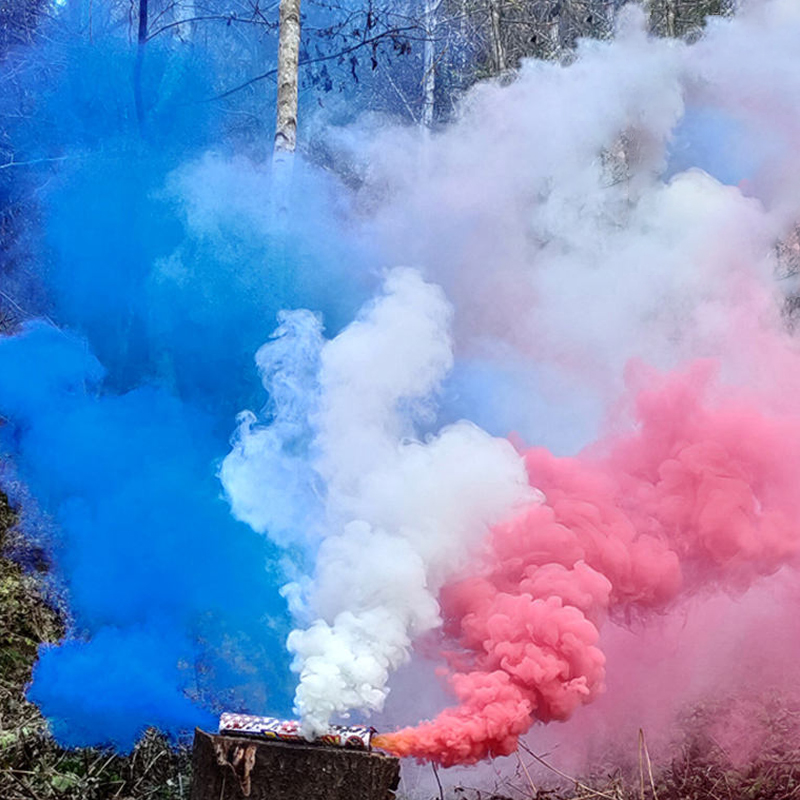
ການຈັດຕັ້ງປະຕິບັດທີ່ຮັບຜິດຊອບ: ດ້ານສິ່ງແວດລ້ອມ ແລະ ຂໍ້ບັງຄັບໃນການໃຊ້ບໍ່ງທີ່ມີສີສັນ
ໃນປັດຈຸບັນ, ການເປັນຜູ້ທີ່ຮັບຜິດຊອບຕໍ່ສິ່ງແວດລ້ອມມີຄວາມສຳຄັນຫຼາຍເມື່ອເຮົາກຳລັງເວົ້າເຖິງການສະແດງໄຟພູມິທີ່ມີສີສັນທີ່ເຮົາເຫັນຢູ່ໃນກິດຈະກຳຕ່າງໆ. ຜູ້ຜະລິດໄດ້ເລີ່ມຫັນມາໃຊ້ສີທີ່ບໍ່ມີລາຍລະອຽດຂອງເຄື່ອງປູ່ມີລົດຊາດທີ່ໜັກ (heavy metal colorants) ແທນດ້ວຍວັດຖຸທີ່ສາມາດສลายຕົວໄດ້ຢ່າງທຳມະຊາດ ແລະ ມີພິດນ້ອຍລົງ. ການປ່ຽນແປງນີ້ຈະຊ່ວຍຫຼຸດຜ່ອນຄວາມເສຍຫາຍຕໍ່ດິນ, ແຫຼ່ງນ້ຳ, ແລະ ສັດຕ່າງໆທີ່ບໍ່ຄວນຖືກສົ່ງຜົນກະທົບ. ຂໍ້ບັງຄັບຈາກອົງການເຊັ່ນ: REACH ແລະ ອົງການປ້ອງກັນສິ່ງແວດລ້ອມຂອງສະຫະລັດ (US EPA) ໄດ້ກຳນົດໃຫ້ບໍລິສັດຄວບຄຸມລະດັບຂອງເຄື່ອງປູ່ມີລົດຊາດທີ່ໜັກໃຫ້ຕ່ຳລົງຢ່າງເຂັ້ມງວດ ແລະ ຄວບຄຸມສິ່ງທີ່ຖືກປ່ອຍອອກໄປໃນລະຫວ່າງການເຜົາ. ເມື່ອຜູ້ປະຕິບັດການໃຊ້ອຸປະກອນເຫຼົ່ານີ້ຈົບແລ້ວ, ພວກເຂົາຈຳເປັນຕ້ອງທຳລາຍອຸປະກອນເຫຼົ່ານີ້ຢ່າງຖືກຕ້ອງຕາມຄຳແນະນຳທີ່ເຂີຍໄວ້. ນີ້ໝາຍເຖິງການນຳເອົາຖັງທີ່ໃຊ້ແລ້ວໄປຮີໄຊເຄີນ ແລະ ຈັດການກັບສ່ວນທີ່ເຫຼືອອັນອັນຕະລາຍຢ່າງເໝາະສົມ. ຖ້າບຸກຄົນໃດໜຶ່ງລະເມີດກົດໝາຍວ່າດ້ວຍວັດຖຸອັນຕະລາຍໃນສະຫະລັດອາເມລິກາ, ພວກເຂົາອາດຈະຖືກປັບໄໝເຖິງ 500,000 ໂດລາ. ກ່ອນຈະເລີ່ມການສະແດງໃດໆ, ການກວດສອບສະພາບອາກາດເປັນສິ່ງຈຳເປັນເພື່ອປ້ອງກັນບໍ່ໃຫ້ເຂົ້າໄປໃນເຂດທີ່ບໍ່ຄວນເຂົ້າໄປ, ໂດຍເປັນພິເສດແມ່ນເຂດທີ່ມີລະບົບນິເວດທີ່ສຳຄັນ. ການຝຶກອົບຮົມສຳລັບຜູ້ປະຕິບັດການຈະຊ່ວຍໃຫ້ທຸກຄົນເຂົ້າໃຈວິທີການເຮັດວຽກໃນເຂດທີ່ມີມາດຕະຖານຄຸນນະພາບອາກາດທ້ອງຖິ່ນ ໂດຍຍັງຮັກສາຜົນໄດ້ຮັບທີ່ດີຈາກສັນຍານຂອງເຂົາເຈົ້າໄວ້ໄດ້. ນີ້ເປັນການຮັກສາດຸລະຍະພາບລະຫວ່າງການສື່ສານທີ່ມີປະສິດທິຜົນຜ່ານສັນຍານທີ່ເຫັນເຫັນ ແລະ ການດູແລສິ່ງແວດລ້ອມຂອງເຮົາໃນເວລາດຽວກັນ.