
 EN
EN
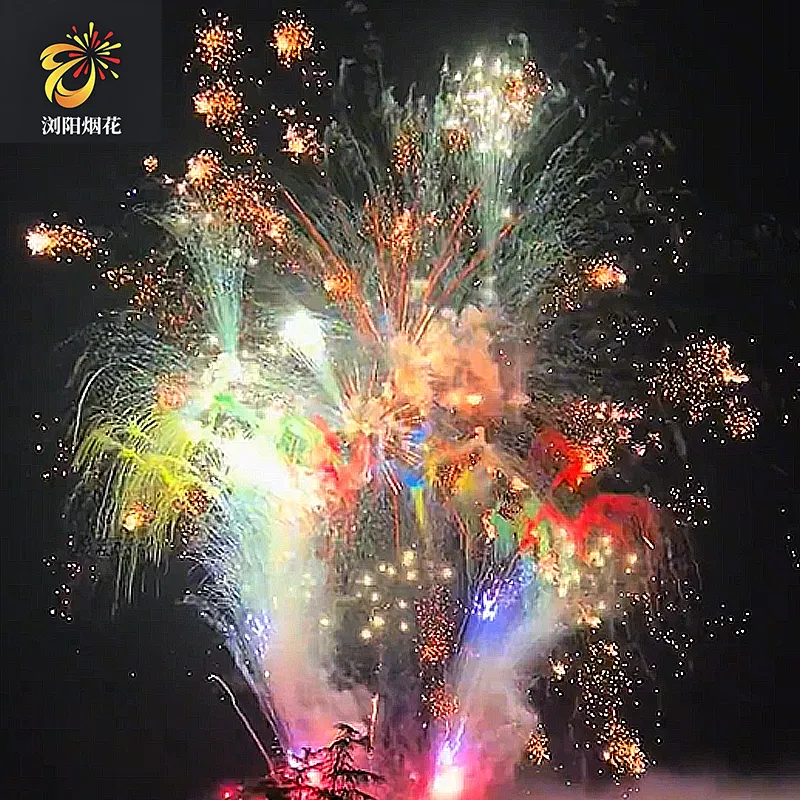
Types and Categories of Professional Fireworks
Understanding F3 vs. F4 Firework Classifications and Their Applications
Fireworks for professionals get sorted into different classes depending on how intense they are, what safety rules apply, and where they're meant to go off. Take F3 fireworks for instance these ones need at least 25 meters of clear space around them and won't shoot higher than about 100 meters in the sky according to Pyrotex Fireworks data from last year. Municipalities often use these types during community events when there's enough room and people aren't packed too closely together. On the other hand, F4 grade fireworks are another story entirely. Only trained experts can handle these bad boys because they pack serious power, sometimes reaching over 300 meters into the air with intricate display patterns. Most folks will only see F4 fireworks at big events like New Years Eve shows where organizers want something spectacular and require absolute control over every aspect of the show.
Common Types: Aerial Shells, Comets, Cakes, and Strobes in Professional Displays
Four core types form the foundation of professional firework displays:
| Type | Effect Profile | Duration | Common Use Case |
|---|---|---|---|
| Aerial Shells | Multi-layered bursts | 5–8 sec | Grand finales |
| Comets | Intense trailing sparks | 3–5 sec | Accent lighting |
| Cakes | Sequential effect clusters | 15–60 sec | Thematic storytelling |
| Strobes | Rapid white flashes | 10–12 sec | Rhythmic synchronization |
Aerial shells dominate premium shows, making up 62% of effects due to their customizable color combinations and dramatic impact (Jubilee Scotland 2023). Cakes offer extended sequences ideal for narrative pacing, while strobes enhance musical synchronization through pulsing light patterns.
Indoor Pyrotechnics vs. Outdoor Fireworks: Venue Considerations and Safety Limits
Indoor fireworks typically use special formulas that produce less smoke and contain materials that help resist flames. These indoor versions burn around 40 percent cooler than their outdoor counterparts, which helps reduce both fire hazards and problems with indoor air quality. Because of these risks, there are strict rules governing their use, and venues usually need proper ventilation systems plus careful control over how close people can get during shows. When looking at outdoor fireworks displays, the safety requirements change quite a bit. The area needs to be much bigger for safety reasons, generally about one and a half times wider than what would be acceptable indoors. This extra space is crucial for containing any stray pieces that might fly off during the show, particularly when setting up near rivers, lakes, or in cities where lots of people live close together.
Hunan Liuyang’s Role in Supplying Professional Fireworks Globally
Hunan Liuyang, China's historic pyrotechnic hub, supplies 38% of the world’s licensed F4 fireworks. The region has pioneered reduced-perchlorate formulations that maintain brightness while significantly lowering environmental contamination, aligning with global sustainability goals.
Specialty Effects and Innovations in Modern Professional Pyrotechnics
The latest developments in fireworks tech are pretty amazing stuff. There's now cold pyrotechnics that burn below 100 degrees Celsius, making them safe enough for indoor theater performances. Some companies have started using biodegradable shells too, which break down completely in just three days and help keep our oceans clean. And then there are these cool hybrid displays combining LEDs with traditional fireworks, controlled by fleets of synced drones that create elaborate light shows without needing extra explosives. All these improvements are responding to what people want nowadays - spectacular effects that don't leave behind environmental damage. The industry seems to be figuring out how to deliver both wow factor and responsible practices at the same time.
Planning and Choreography of Professional Firework Displays
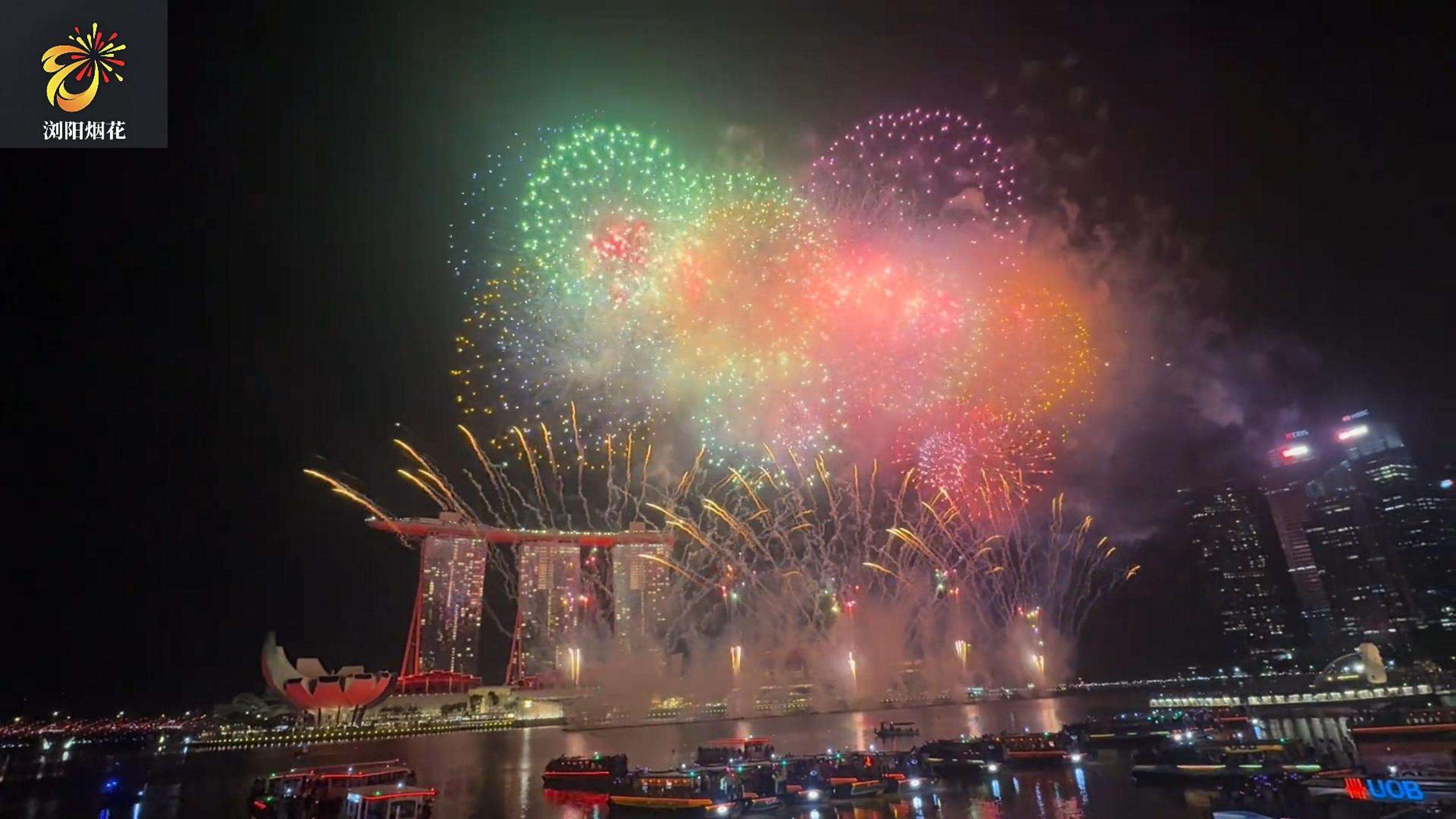
Precision Timing and Sequencing in Large-Scale Firework Shows
Putting together big fireworks shows requires pinpoint timing down to the millisecond. Software such as Finale Fireworks has become standard in the industry, allowing fireworks experts to plan out hundreds of effects each minute. They can stack different types of explosions - from skyrockets to glowing trails and flashing lights - into patterns that rise and fall like waves building up emotion. The level of detail really stands out during events like Dubai's New Year's Eve show, which manages around 1,000 separate moments spread over half an hour without anything clashing. What we see looks completely smooth on screen, but behind the scenes it's all about meticulous planning and execution.
Synchronizing Fireworks with Music and Multimedia Elements
Today's display tech can time explosions perfectly with music through those fancy timestamped MIDI triggers, keeping the gap between sound and light under 15 milliseconds most of the time. The really good crews know how to pair certain fireworks effects with specific parts of the music. Think gold peonies going off right when a cymbal crashes, or crossettes spreading out as violins build up to a big crescendo. Most big outdoor shows these days have either LED screens or swarms of drones adding another layer to what people experience visually. About 75% of them do this now, according to industry folks who track such things.
Software and Technology Used in Designing Professional Firework Displays
Fireworks designers now use 3D simulation tools like ShowSim for various purposes including seeing things from the audience's viewpoint, figuring out where debris might land based on wind conditions, and even sending firing instructions straight to the electronic ignition equipment they work with. According to data from the Pyrotechnics Guild International back in 2022, switching to these digital workflows cuts down on setup mistakes by around 92 percent when compared to old fashioned manual planning approaches. That kind of reduction makes a huge difference in terms of keeping everyone safe while still maintaining the artistic quality that makes fireworks displays so special.
The Creative Process: From Concept to Choreographed Spectacle
The creative journey begins with storyboarding key emotional arcs—serene silver tails for opening sequences, powerful cake batteries for climactic finales. Once the concept is defined, designers map available pyrotechnics to each moment, validate timing through virtual simulations, and finalize plans only after securing permits and passing safety reviews.
Safety and Regulatory Compliance for Professional Fireworks
Key Safety Regulations Enforced by Federal and Local Agencies
The folks who put on professional fireworks shows have to follow a bunch of rules set by places like OSHA. One big rule is keeping at least 300 feet between where they light things off and where people are watching. Leftover fireworks need to go into containers that can withstand fires too. And don't forget about local laws either since some areas might say no launching near hospitals or schools within 1000 feet. Looking at the latest stuff from OSHA in their 2023 guidelines for pyrotechnics, there's something else important happening during these events. Trained individuals should keep an eye on what's going on with the weather throughout the whole display. If winds start picking up beyond 15 miles per hour, it makes sense to call off the show altogether because otherwise those colorful explosions could end up drifting toward unintended locations creating real problems.
Required Permits and the Role of Licensed Pyrotechnic Professionals
Putting on legal fireworks shows means getting all sorts of paperwork in order first. Technicians need proper certification, detailed site plans must be submitted, and operators typically carry around $2 million worth of liability coverage. According to recent research from Study.com back in 2023, about three out of four accidents involving fireworks happen at events that weren't properly licensed. This really underlines why having trained pros matters so much. What these specialists actually do includes aligning mortars correctly, calibrating fuses just right, plus working closely with local emergency responders. Some even run practice evacuations before the big night which cuts down on response times when something goes wrong by roughly 40 percent.
Safe Setup Distances, Site Preparation, and Risk Mitigation Strategies
Getting ready for a fireworks display means clearing all plants and grass within about 50 feet around where they'll be launched from. Ground level water barriers get installed too, so sparks don't spread everywhere. When dealing with bigger aerial shells over 6 inches in size, the team sticks to what's called the 1.5x caliber rule. Basically, this means keeping people at least 1.5 times the shell's diameter away from the launch point. Chain reactions happen when things go wrong like this, and according to the National Fire Protection Association, these accounted for roughly one third of all accidents last year. Before the actual show starts, everyone checks the electrical firing system thoroughly. If any cable shows resistance differences under 0.5 ohms, it gets swapped out completely because even small issues can lead to big problems during the performance.
Fire Prevention and Emergency Protocols During Public Firework Events
Fire safety at display sites requires ABC type extinguishers positioned no more than 75 feet apart along with evacuation paths that are easy to spot thanks to those glowing signs that work even when lights go out. At the big New Years celebration in LA back in 2023, this setup helped put out almost all small fires before they could spread, taking care of about 94 out of every 100 incidents within just 90 seconds flat. The crew also relies on two way radios equipped with noise canceling headsets so everyone stays connected during shows. When something looks wrong, spotters can shout down the whole operation right away. This quick response system actually stopped 12 accidents from happening during Chicago's July 4th fireworks display last summer according to reports from the event organizers.
Hiring Professionals and Managing Budgets for Event Fireworks
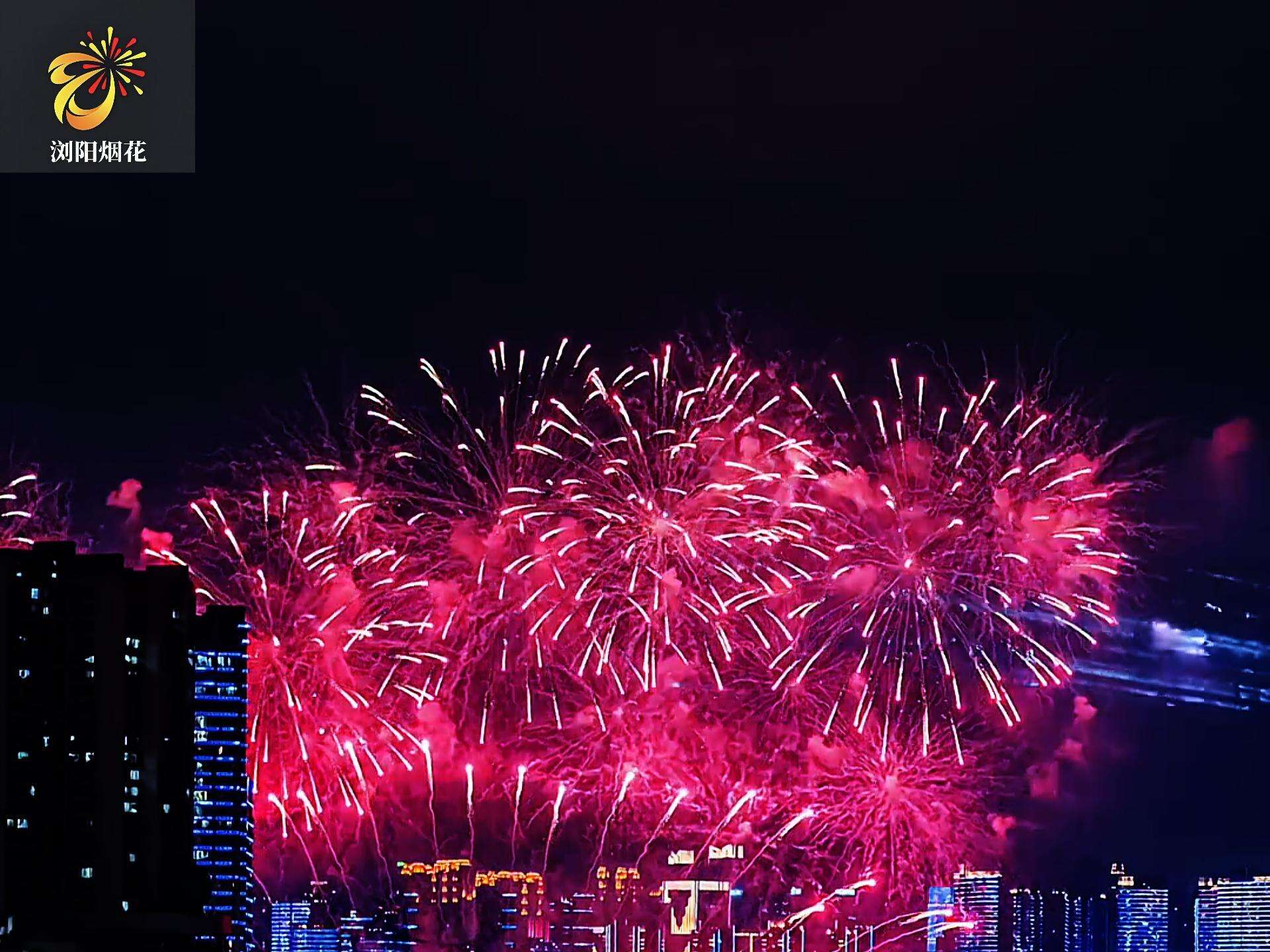
Why Professional Pyrotechnic Companies Ensure Quality and Safety
When it comes to putting on fireworks shows, certified pyrotechnic crews bring both technical know-how and a deep understanding of what regulations require for safety. According to recent industry numbers from the 2024 Event Safety Report, professional handling cuts down accident chances by about 72% when compared against those DIY firework displays people sometimes try themselves. These pros handle all sorts of paperwork for permits, keep noise levels within legal limits, and have insurance policies in place so nobody gets stuck paying unexpected costs after something goes wrong. What really matters though is how they evaluate each location's specific requirements. They look at things like how far away spectators need to be from the action zone and plan around possible weather changes during the show. This kind of detailed preparation makes all the difference between a spectacular display and one that ends up causing problems nobody wants.
Key Questions to Ask When Hiring a Professional Fireworks Team
- Does the company hold current regional licenses for pyrotechnic displays?
- Can they provide references from similar-scale events?
- What emergency protocols do they implement during setup and showtime?
- How do they adapt to last-minute weather changes or technical issues?
Cost Factors: Size, Duration, Complexity, and Event Scale
Budgets vary widely depending on design scope. A 10-minute corporate display typically costs $15,000–$25,000, while large municipal shows can surpass $150,000. Primary cost drivers include:
| Factor | Cost Influence (%) | Example |
|---|---|---|
| Shell Size | 35% | 6" vs. 12" aerial shells |
| Duration | 25% | 5-minute vs. 20-minute shows |
| Synchronization | 20% | Basic sequences vs. music timing |
| Safety Logistics | 20% | Stadium vs. open-field setups |
Finale sequences can consume up to $600 in pyrotechnics within 90 seconds (2024 Pyrotechnic Cost Analysis), underscoring the importance of strategic budget allocation.
Balancing Budget Constraints With Visual Impact Through Smart Design
Experienced planners recommend allocating 60% of the budget to the opening and finale—the most memorable segments for audiences. Combining cost-effective continuous-firing cakes ($80–$200 each) with selective high-impact shells creates dynamic rhythm without overspending. Digital firing systems also allow last-minute reprogramming, enabling optimization of both timing and resource use.
Professional Fireworks in Global Celebrations and Public Events
Iconic uses of professional fireworks: New Year’s Eve, Fourth of July, Diwali
Fireworks have become a staple at big celebrations around the world, bringing people together for those special moments. Last year alone, nearly 87 million folks in the US gathered to watch Independence Day shows light up the sky. Across the globe, India experienced something similar but different during Diwali, where official firework events jumped by 40% from what they were seeing the year before according to safety reports we've been tracking. Take London's New Year's Eve display on the Thames as just one example. The way those colorful explosions sync up with flashing lights creates an experience that really connects diverse groups of people watching from the riverbanks. These days, most professional shows rely on wireless tech to time everything right, especially when dealing with tight spaces in cities. It's amazing how old traditions can work so well alongside modern equipment these days.
Case study: The evolution of Fourth of July fireworks as a national spectacle
Fireworks on the Fourth of July have come a long way since those early shows back in 1777. Now they're basically part of the American fabric. Take Macy's big annual display in New York Harbor for instance. They fire off around 75 thousand shells all set to music from sixteen different barges floating across the harbor. Pretty amazing stuff! The 2023 show took things even further with this cool 3D pixel mapping tech that creates these stunning patriotic images in the sky through carefully timed explosions that can reach nearly a mile high. Looking at the bigger picture, most pyro companies are getting serious about safety while still pushing creative boundaries. According to recent data from the American Pyrotechnics Association, about four out of five professionals now rely on simulation software to plan their displays. Makes sense really when you think about both safety concerns and the desire to keep making each year's show better than the last.
Emerging trends in audience expectations and sustainable pyrotechnics
People want greener fireworks displays more than ever before. The market for eco-friendly shows has jumped around 60% since 2020 according to recent data. Firework makers are getting creative too. They've started making cases from materials that break down naturally and using special propellants rich in nitrogen which cut down on tiny particles in the air by nearly 90%, as reported by the EPA last year. There's also something called quiet fireworks that stay below 85 decibels, so they work well in areas where loud noises aren't welcome. Some shows mix drones with actual fireworks, replacing about a third of the old fashioned explosive stuff with lights programmed on LEDs. Big cities such as LA and Mumbai have embraced these new approaches, letting them keep their cultural celebrations alive without violating strict pollution rules that protect public health.
FAQ
What are the F3 and F4 classifications for fireworks?
The F3 classification requires at least 25 meters of clear space and is used in community events, while F4 is for trained experts and used in large-scale events.
How do indoor and outdoor fireworks differ in safety regulations?
Indoor fireworks produce less smoke and require special ventilation; outdoor displays need large open areas to ensure public safety.
What role does technology play in modern firework displays?
Advanced software aids in planning, timing, and synchronizing fireworks with music and multimedia elements to enhance the audience experience.
Why should professional companies be hired for fireworks shows?
Professionals ensure compliance with safety regulations, hold necessary permits, and reduce the risk of accidents during firework displays.
How can firework displays be sustainable?
Using biodegradable materials and low-impact technology like LED lights and drones can make displays more environmentally friendly.