
 EN
EN
The Chemistry of Color: How Metal Salts Create and Sustain Professional Fireworks Hues
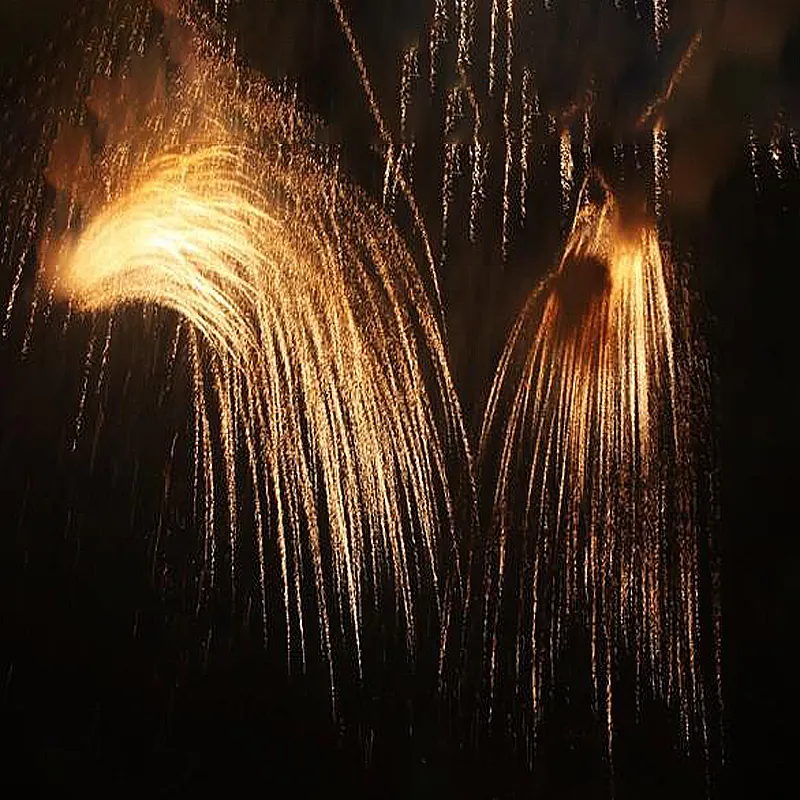
Fireworks transform night skies into vibrant displays through precise chemical engineering. At their core, metal salts—compounds of metallic elements with chlorine or oxygen—emit specific wavelengths of light when ignited. Heat excites electrons in these compounds, which release energy as colored light upon returning to their ground state.
Chemical Reactions and Metal Salts Used to Produce Firework Colors
What makes fireworks so brilliant is actually their ability to glow through luminescence rather than just burning hot. When they go off, chemicals such as strontium carbonate create red colors while barium chloride gives those nice green tones, all without needing super high temperatures. Blue fireworks are another story though. The copper chloride that makes them blue needs really intense heat around 1200 degrees Celsius before it starts working properly. A recent study published in the Pyrotechnic Chemistry Report back in 2024 found something interesting too. They discovered that about three quarters of how bright a firework appears comes down to two main factors: how big the particles are and whether everything burns evenly throughout the explosion. That explains why some displays look so much better than others sometimes.
Specific Elements and Their Associated Colors in Pyrotechnic Displays
- Strontium: Deep reds (used in 90% of professional displays)
- Barium: Apple-green tones
- Copper: Rare blue shades (achieved by only 5% of mixtures)
- Sodium: Golden yellows via incandescence
These elements are carefully selected based on emission spectra, ensuring clean, saturated colors when vaporized during explosion.
Temperature Control for Color Stability, Especially Blue and Purple
Blue and purple require exact temperature control. Copper compounds degrade above 1,300°C and fail to luminesce below 1,100°C, making stability difficult. Purple, a blend of strontium (red) and copper (blue), demands dual reaction zones within the same shell to prevent interference between color emissions and maintain visual clarity.
Why Blue Remains the Most Challenging Firework Color
Stable blue coloration requires keeping copper within its very tight combustion range between about 1,200 and 1,250 degrees Celsius, plus the right amount of oxidation inhibitors to make sure the light stays visible longer. Small amounts of contaminants or when shells don't burst properly can actually change the color from blue to something more greenish or even white. Because of how sensitive this whole process is, most companies spend roughly 30 percent extra on research for their blue formulas compared to other colors in their product lines. The industry knows this isn't just about aesthetics but also about getting consistent results batch after batch.
Use of Time-Delay Fuses and Precision Ignition Systems
Professional fireworks rely on microsecond-accurate ignition systems to synchronize effects. Time-delay fuses trigger explosions at optimal altitudes—typically 100–150 meters—where oxygen levels enhance color development. Programmable logic controllers sequence multiple shells to create cascading patterns without overlapping sound or light, ensuring maximum visual impact.
Role of Stars, Breaks, and Bursting Charges in Creating Patterns
Pyrotechnic "stars"—compressed pellets containing metal salts—are arranged precisely within shells to determine shape and pattern upon detonation. Bursting charges rupture the shell at calculated velocities, dispersing stars in signature formations:
- Peonies: 50–70 symmetrical breaks
- Chrysanthemums: 100+ radial trails with timed fade
- Palm: Single-axis spread exceeding 40m diameter
Charge composition influences dispersion; potassium nitrate-based mixtures provide 25% wider scatter than sulfur-based alternatives, enhancing coverage and symmetry.
Case Study: Multi-Tiered Shell Design in Major Public Displays
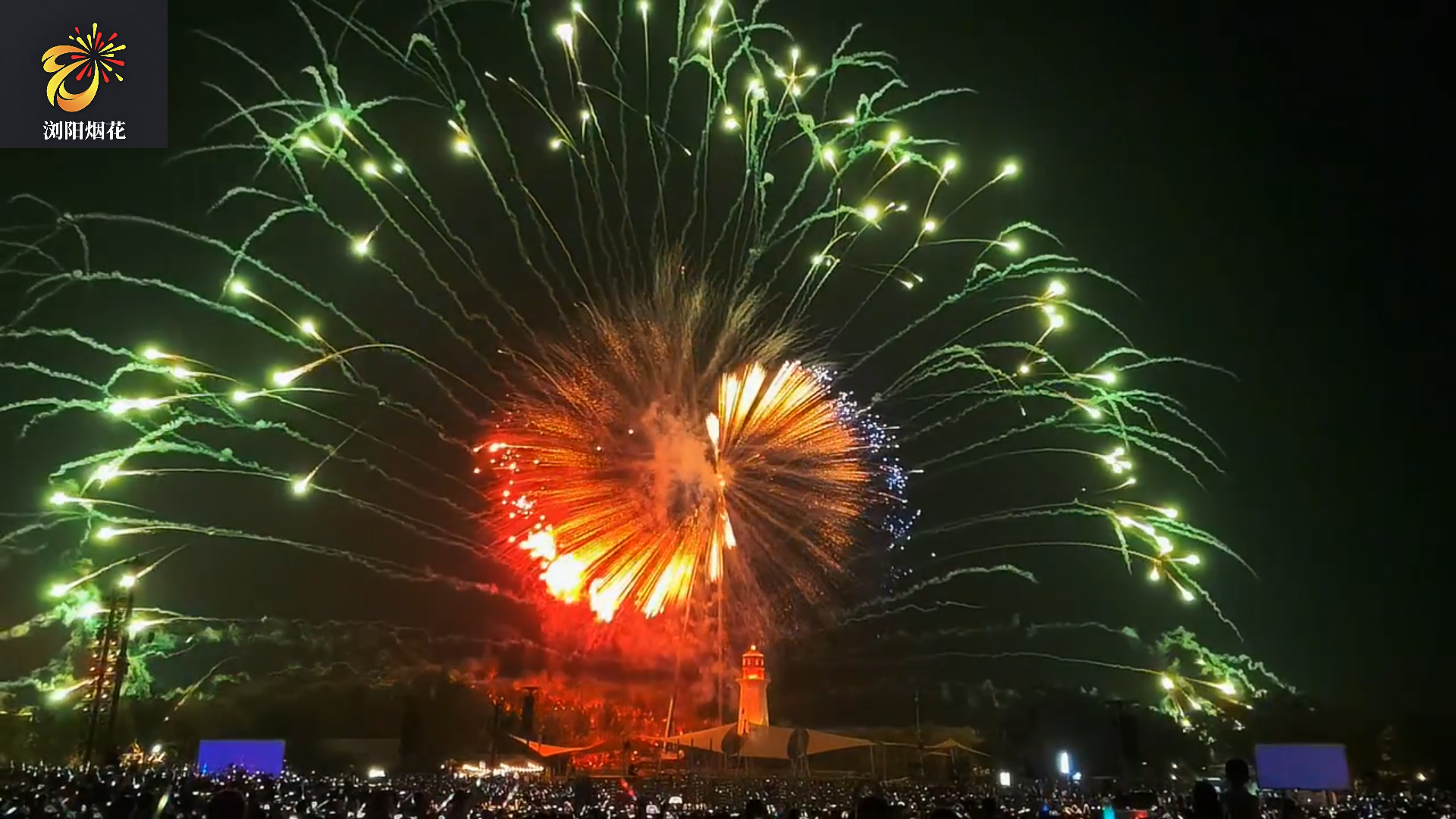
Large-scale events like New Year’s Eve celebrations use nested-shell designs for prolonged effects:
- Primary shell reaches 200m altitude
- Secondary burst releases magnesium-based strobe effect
- Tertiary ignition activates floating ember system
This staged energy release extends display duration to 8–12 seconds—triple that of consumer fireworks. Leading manufacturers now employ biodegradable polymer casings that fully combust, eliminating post-display debris.
Energy Dynamics: The Physics Behind Explosion, Spread, and Color Duration
Physics of Fireworks Explosions and Effects
When fireworks go off, what we see is actually the result of fast burning reactions that turn stored chemical energy into heat and motion. The mix usually contains oxidizers like potassium nitrate which give out oxygen, helping fuels like charcoal or aluminum burn much faster. These reactions crank up the temperature to well over 2,500 degrees Fahrenheit within fractions of a second, creating pressurized gases that shoot out at speeds between 400 and 900 meters per second. As these gases push the colorful stars away from the shell, they also melt metal salts inside, causing electrons to get excited and glow with specific colors. For instance, strontium carbonate produces red hues when heated around 1,200 degrees Celsius, while getting that beautiful blue requires copper chloride to reach much hotter temperatures near 1,600 degrees. Achieving these exact color effects demands careful balancing of fuel and oxidizer amounts during manufacturing.
How Energy Release Influences Color Duration and Spread
The length of time colors stay visible depends largely on how fast things burn inside fireworks. When materials burn slowly, they tend to last longer but might not light up properly if the reaction isn't complete enough. That's why engineers have developed these special charge designs with multiple layers arranged in concentric circles, each burning at different rates. For those warm orange and gold effects we all love, manufacturers typically mix around 70 parts slow-burning powder with 30 parts faster stuff. This combination keeps the colors showing for about 3 to 4 seconds total, which is actually quite impressive compared to what most amateur fireworks can do. The shape matters too. Fireworks shells need to be perfectly round so everything spreads out evenly when launched, resulting in those beautiful circular explosions that can cover anywhere from 150 to 300 meters across the sky. Some testing has revealed interesting results too. Boosting the amount of oxidizer in the mix by just 15% makes those pretty blue stars spread better by roughly 22%, all without messing up the actual color quality.
Professional vs. Consumer Fireworks: Performance, Complexity, and Burn Time
Structural and Chemical Complexity in Professional Fireworks
The chemistry behind professional fireworks gets pretty interesting when looking at their makeup. These displays typically contain layers of different compounds inside strong outer shells. Red comes from strontium carbonate, green from barium chloride, and blue from copper oxide mixed together in various combinations. What makes them so spectacular is how they burst open in sequence to create those beautiful flower-like patterns we see in the sky, such as peonies blooming outward or chrysanthemums radiating petals. According to some industry research over the past few years, professional grade fireworks actually contain around 40 to 60 percent more oxidizing agents and stabilizing materials compared to what's found in regular consumer fireworks. This extra ingredient boost helps ensure that even when there's rain or wind during an event, the show still goes off without a hitch most of the time.
Average Burn Time and Altitude Comparison (Consumer vs. Professional)
Key performance metrics highlight the gap between amateur and professional-grade fireworks:
| Metric | Consumer Fireworks | Professional Fireworks |
|---|---|---|
| Burn Time | 2–3 seconds | 5–8 seconds |
| Altitude | 50–150 feet | 500–1,200 feet |
| Shell Diameter | ≤ 3 inches | 6–12 inches |
Industry data shows professional aerial shells deliver 300% greater luminous intensity due to optimized energy distribution. A 6-inch professional shell ascends to approximately 800 feet before detonating—three times higher than typical consumer rockets—thanks to advanced propulsion and regulatory compliance in formulation.
Innovations Advancing Longevity and Brilliance in Professional Fireworks
Advances in Firework Chemistry for Brighter and Longer-Lasting Effects
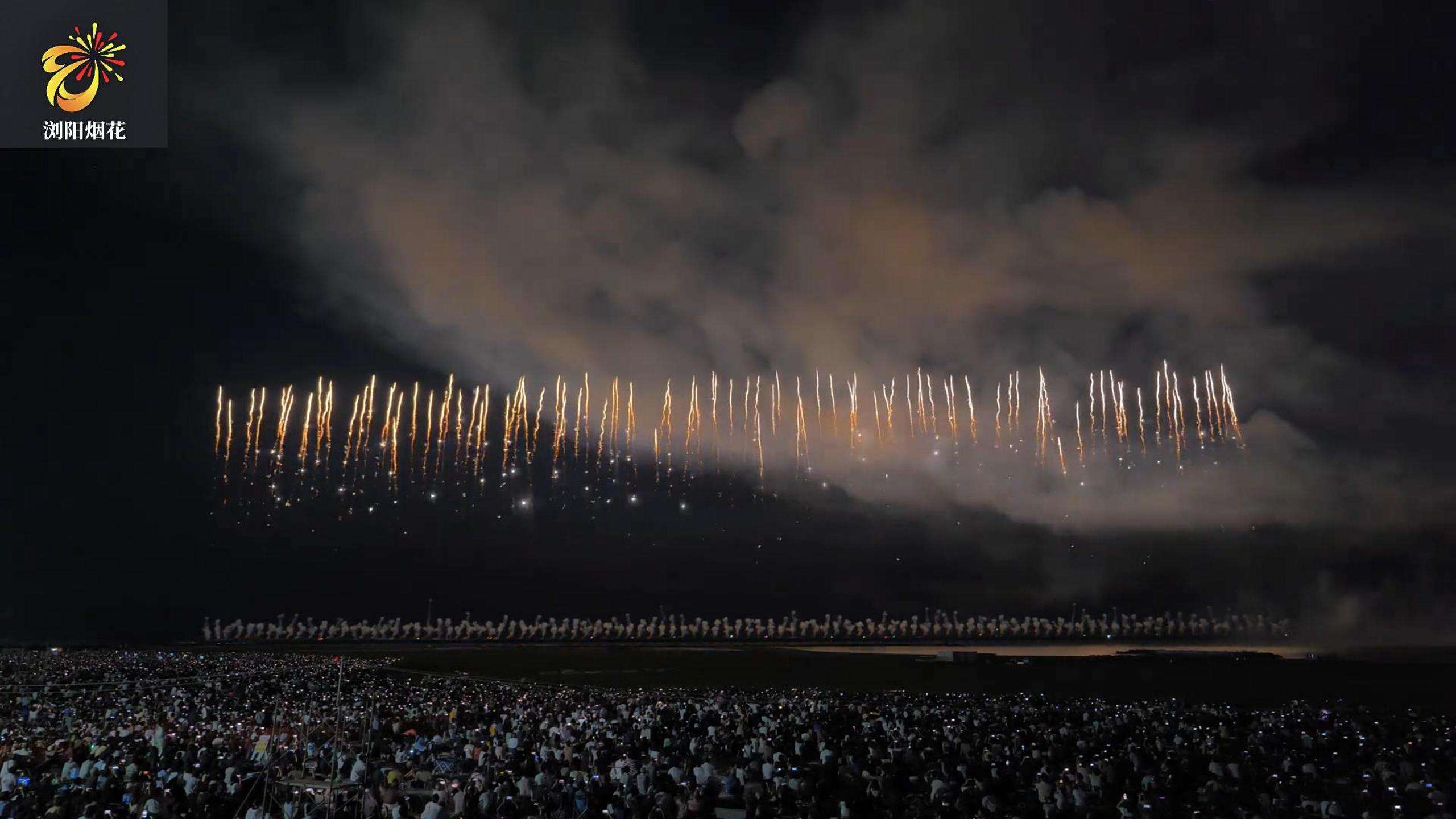
Modern formulations use hexagonal boron nitride additives to stabilize strontium-based reds and barium greens, extending visible effects by 40% compared to traditional mixes (2024 Pyrotechnic Chemistry Review). These additives delay oxidation without compromising spectral purity, enabling professional fireworks to sustain vivid hues for 8–10 seconds—nearly double consumer-grade duration.
New Advances in Making Better Blue Fireworks
Getting reliable blue colors has always been tricky because copper doesn't handle heat very well. Recent advances mix copper(I) chloride with special polymer compounds that donate chlorine atoms, creating stable blue light emissions even when heated to around 1,200 degrees Celsius. That's actually 300 degrees cooler than what traditional methods require, which makes a big difference in practical applications. Tests conducted in real world conditions indicate these new materials last much longer before they start to fade prematurely, cutting down on this problem by about two thirds. Another exciting development is how we can now sequence the ignition process so that several blue emitting components inside one shell activate together perfectly. This creates those beautiful cascading sapphire effects across entire display surfaces something that was completely out of reach for large scale shows until recently.
Nanocoating of Particles for Slower Oxidation and Prolonged Glow
Cutting-edge nanotechnology applies 5–10nm silica coatings to metallic fuel particles, slowing combustion rates by up to 55% (Journal of Pyrotechnics 2023). This innovation significantly enhances burn control:
| Coating Thickness | Burn Time Increase | Color Shift Prevention |
|---|---|---|
| 5nm | +35% | 94% effective |
| 10nm | +55% | 98% effective |
Precision layering enables staggered energy release, prolonging gold and purple sequences through controlled oxidation phases while preserving chromatic fidelity across extended displays.
FAQ Section
What substances are responsible for the vibrant colors in fireworks?
Metal salts such as strontium carbonate, barium chloride, and copper chloride create vibrant colors in fireworks. These compounds emit specific colors when ignited and heated.
Why is blue the most challenging color to produce in fireworks?
Blue is hard to achieve in fireworks because copper compounds needed require very precise temperature control and are sensitive to contaminants.
What innovations are enhancing the effectiveness of professional fireworks?
Recent advances include hexagonal boron nitride additives for stability, new formulations for blue fireworks, and silica nanocoatings that help prolong glow and color duration.
Table of Contents
- The Chemistry of Color: How Metal Salts Create and Sustain Professional Fireworks Hues
- Use of Time-Delay Fuses and Precision Ignition Systems
- Role of Stars, Breaks, and Bursting Charges in Creating Patterns
- Case Study: Multi-Tiered Shell Design in Major Public Displays
- Energy Dynamics: The Physics Behind Explosion, Spread, and Color Duration
- Professional vs. Consumer Fireworks: Performance, Complexity, and Burn Time
- Innovations Advancing Longevity and Brilliance in Professional Fireworks
- FAQ Section